In electrical systems, the module that regulates fluctuating voltage coming from the mains supply is called a “voltage regulator.” Because voltage variations are stabilized through voltage regulators, both the other modules in the circuit and the devices connected to the system operate smoothly. Used in a wide range of electrical systems—from residential to industrial applications—voltage regulators also ensure system safety in cases of sudden voltage rise or drop. Therefore, they help protect the lifespan of devices and electrical systems by enabling safe and stable energy flow. Common types of voltage regulators include servo-motor controlled, microcontroller-based, and static models, which deliver secure power flow to household appliances, computers, and security systems in living spaces. More details about voltage regulators can be found in the rest of the content.
What Does a Voltage Regulator Do?
A voltage regulator is designed to control fluctuations in electrical current by stepping down high voltage from the mains to the level required by the system. This prevents sudden load spikes and protects the system from failures caused by overvoltage or overload. This function not only extends the lifespan of sensitive devices but also contributes to energy efficiency. With capacities ranging from 1 kVA to 50 kVA, voltage regulators serve a very broad range of applications and can meet the needs of various electrical systems.
Voltage regulators also step up low voltage from the mains to a predefined stable level, which is particularly critical for ensuring consistent performance in medical devices. In addition to voltage regulation, these modules support current and power control. Some voltage regulators also include thermal sensors. Regulators with thermal shutdown capability automatically stop modules when internal temperature reaches a critical threshold, preventing failures caused by overheating.
How to Choose a Voltage Regulator
Since there are many voltage regulator models with different features, it is important to consider several factors during selection, including power capacity, protection features, and compatibility. Otherwise, the selected model may not meet the system’s requirements. The key points to consider when selecting the correct voltage regulator are:
The voltage regulator must have a capacity suitable for the total power consumption of the device or system. Therefore, the regulator’s power rating should be evaluated first.
Not all regulators are compatible with every mains configuration. It is essential to select the correct model based on the supply type: single-phase (monophase) or three-phase (triphase).
The response time of the voltage regulator should be taken into account. For example, if fast regulation is required, models with high reaction speed should be prioritized.
For mounting compatibility, it is recommended to check dimensions, weight, and supported installation type.
Protection features—including overvoltage, short-circuit, and thermal shutdown—should also be considered.
As with all electronic modules, material and build quality are critical. The material grade should be evaluated for long-term, safe operation.
How to Connect a Voltage Regulator
Installing a voltage regulator into a system is straightforward and can be completed in a few steps. The first step before connecting the regulator is to power off the device or system and disconnect it from the mains. Then, check the input and output terminals of the regulator and connect the mains power to the input terminal, and the device or system to be protected to the output terminal. It is critical to use cables that are appropriate in type and gauge for the system scale. After completing the installation, restart the system and verify the output voltage.
How to Identify a Faulty Voltage Regulator
Continuous fluctuation in the output voltage—meaning voltage instability—indicates that the voltage regulator is faulty. A faulty regulator can also be detected through abnormal noises from the device, complete failure to power on, or output voltage not meeting standard electrical values.
Which Regulator Is Used for Home Systems?
For residential use, low-capacity, single-phase voltage regulators are typically sufficient. Home-type voltage regulators generally range between 1 kVA and 20 kVA and are suitable for protecting household devices. Servo-motor controlled models are among the most affordable and safe options for home applications. For appliances and computers, microprocessor-controlled voltage regulators designed for sensitive electronics can also be used.
To explore compatible voltage regulator models, you may visit EmpaStore’s online shop and review the product range at advantageous order conditions.
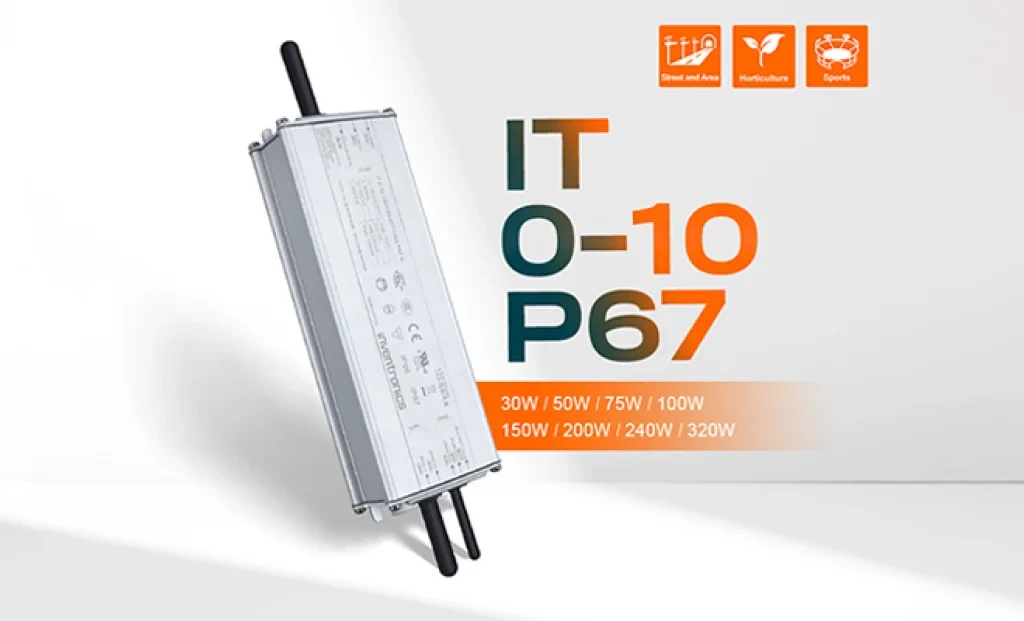
Inventronics has announced two new additions to its outdoor LED driver portfolio: the 150W IT 0-10 150/100-277 P67 and the 240W IT 0-10 240/100-277 P67 programmable drivers. With this new series, the company aims to establish a new benchmark in street and area lighting in terms of performance, efficiency, and durability.
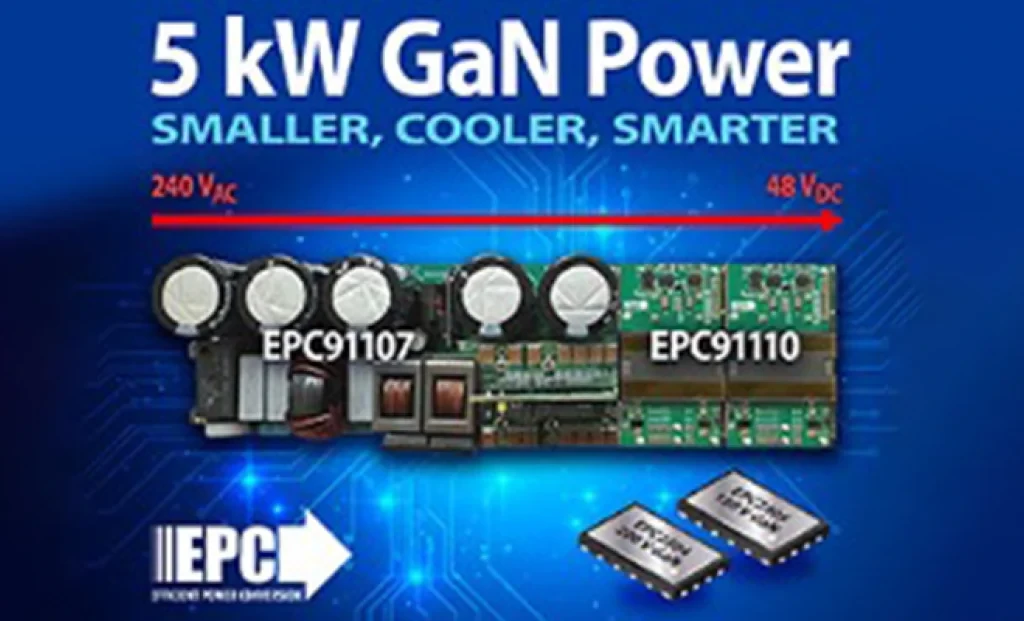
5 kW GaN-Based AC/DC Reference Design from EPC for AI Servers and Data Centers EL SEGUNDO, California — October 2025 — Efficient Power Conversion Corporation (EPC), the world leader in enhancement-mode gallium nitride (eGaN®) power devices, has announced a high-efficiency, high-power-density 5 kW AC-to-48 V DC GaN reference design developed to meet the demands of AI servers and next-generation data center power architectures.
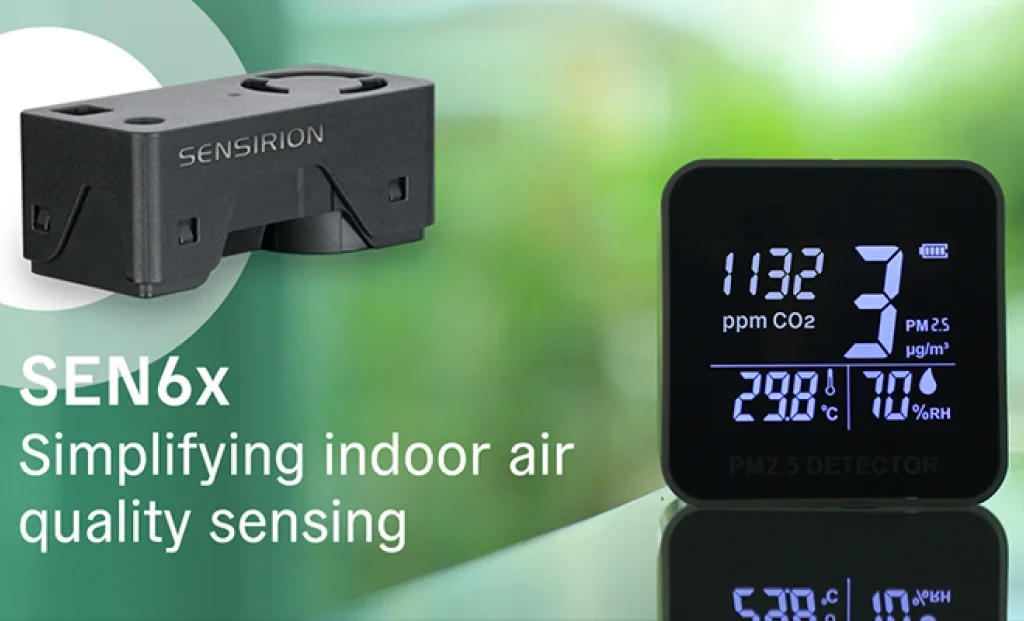
Sensirion has officially announced its next-generation SEN65 and SEN63C sensor platforms, designed to make indoor air quality measurement easier and more accurate than ever before. In addition, the SEK-SEN63C evaluation kit is now available for purchase, enabling developers and system integrators to quickly test and evaluate the new sensor family. Initial orders can be placed immediately.
The long-awaited beta release of Vitis AI 5.1 from AMD has been announced, marking the beginning of a major architectural shift that significantly advances edge AI inference capabilities.
With 44 years of experience, Empa Elektronik, a trusted and pioneering company in the electronic components industry, is set to make transformative investments in the technology ecosystem through its collaboration with Fark Labs, a global innovation and transformation center.
In a comparative study of Auto-ML platforms designed to simplify edge AI deployment, NanoEdge AI Studio and Edge Impulse emerged as leading solutions [1]. The comparison was conducted using multi-sensor biomedical data applied to predictive maintenance use cases.
In shopping malls, galleries, and large-scale commercial spaces, the stability and intelligence of lighting systems are among the most critical factors directly influencing user experience.
 EN − TL
 Türkçe