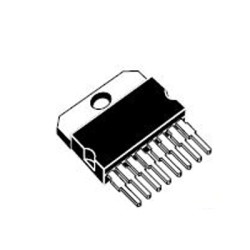
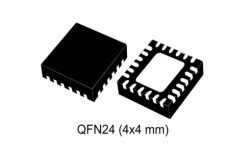
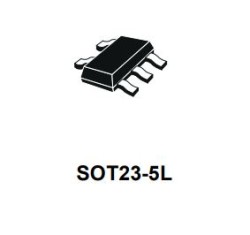
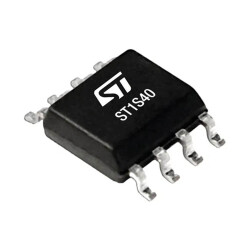
Elektrik sistemlerinde voltaj başta olmak üzere bazı parametreleri sabit tutmaya yarayan modüllere regülatör denir. Voltaj regülatörü olarak da bilinen söz konusu modüller, şebeke elektriğinden gelen dalgalı + değişken voltajın stabilizasyonunu sağlar. Böylece, deredeki diğer modüller ve devreye bağlı cihazlar, voltaj dalgalanmalarından ve ani akım değişimlerinden etkilenmeden güvenli bir şekilde çalışabilir. Farklı türleri üretilen regülatörler, elektrik akımının yanı sıra gerilimi, akışı ve basıncı da kontrol edebilir. Regülatörler ile ilgili merak ettiğiniz diğer detayları yazının devamında bulabilirsiniz.
Elektrik enerjisi ile çalışan cihazların güvenli ve stabil bir şekilde çalışmaya devam edebilmesini sağlayan regülatörler, voltaj değişimlerine bağlı arızalanmaların önüne geçer. Başka bir ifadeyle regülatör, şebeke elektriğinde meydana gelen ani voltaj düşüşlerinin ve voltaj yükselmelerinin cihaza zarar vermesine engel olur. Örneğin, regülatörler belirli bir voltaj aralığında çalışan tıbbi cihazların veya bilgisayarların, her zaman doğru voltajı almasını sağlar. Böylece hem cihazın kullanım ömrünü korur hem de enerji verimliliğinin artmasına yardımcı olur.
Regülatör modelleri, voltaj stabilizasyonunun yanı sıra gerilim ve akım kontrolü de sağlar. Dolayısıyla regülatör bulunan bir devreye sahip elektronik cihaz, aşırı gerilim ve aşırı akım durumlarından olumsuz etkilenmez. Çünkü regülatörler özellikle ani voltaj yükselmelerinde bir çeşit tampon görevi görerek devrede yer alan diğer elemanların aşırı voltaja maruz kalmasının önüne geçer. Bu işlevleri sayesinde hassas elektronikler uzun süre verimli bir şekilde çalışmaya devam eder.
Kullanım alanlarına ve çalışma prensiplerine göre pek çok farklı regülatör çeşidi bulunur. Regülatör çeşitleri farklı ihtiyaçlara çözüm sunmak amacıyla geliştirilmiş olup her birinin avantajları ve dezavantajları farklıdır. En yaygın kullanılan regülatör çeşitlerini ise servo, statik, mikroişlemcili, lineer ve anahtarlama işlevli regülatörlerdir. Bu regülatör çeşitleri ve öne çıkan özelliklerini ise şöyle sıralamak mümkündür:
Oldukça geniş bir kullanım alanına sahip olan regülatörler, bilgisayardan buzdolabına, CNC tezgahlarından tıbbi cihazlara kadar pek çok farklı sistemde yer alır. Elektrikli ev aletleri, endüstriyel kurulumlar, denizcilik ekipmanları ofis aydınlatma sistemleri, telekomünikasyon cihazları, fabrika motor sürücüleri ve hassas üretim makineleri de regülatör içerir. Hem günlük hayatta hem de endüstriyel sistemlerde kullanılan regülatörler, elektrik akımı ile çalışan her türlü devrede yer alan modüllerdir.
Sanayi bölgeleri ve köyler gibi şebeke elektriğinin dalgalı - düzensiz olduğu bölgelerde büyük bir ihtiyaç olan regülatörler, enerji akışının stabil olması için kullanılır. Bu sayede sık sık meydana gelen voltaj düşüşleri ve ani akım yükselmelerinin cihazlara ve sistemlere zarar vermesinin önüne geçilmiş olur. Bazı regülatör çeşitlerinde termal kapatma özelliği de vardır. Termal kapatma özelliğine sahip olan regülatörler, devrenin aşırı ısınması halinde sistemin otomatik olarak kapatılmasını sağlar. Termal sensörlerle ilerleyen bu süreç sonunda devre aşırı ısınmaya karşı da korunmuş olur.
Alanında uzman elektronik markaları tarafından üretilerek satışa sunulan regülatörler, ulaşılabilir fiyatlarla sahiptir. Geniş kullanım alanları sayesinde pek çok kullanıcın ihtiyaç duyduğu regülatör modelleri, elektronik cihazları ve sistemleri, ani voltaj değişimlerine karşı bütçe dostu bir şekilde koruma olanağı tanır. Üstelik bazı regülatörler, termal koruma işlevine de sahiptir. Regülatör fiyatları belirlenirken giriş - çıkış voltaj aralıkları, koruma özellikleri, uyumluluk, tür, montaj şekli, kullanım alanları, marka, boyutlar başta olmak üzere pek çok detay dikkate alınır.
Sektör lideri pek çok elektronik markasının ürettiği regülatör modellerine Empa Store online mağazasından zahmetsizce ulaşabilirsiniz. Elektronik sektöründe birçok markanın Türkiye temsilcisi olan Empa Store, zengin ürün seçkisiyle farklı ihtiyaçlarınıza alternatif çözümler sunar. Siz de regülatör satın almak istiyorsanız empastore.com online mağazasındaki modelleri inceleyebilir, farklı ihtiyaçlarınız için diğer ürünlere göz atabilirsiniz.
 EN − TL
 Türkçe