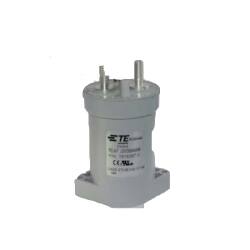
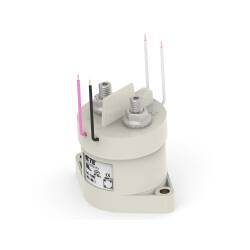
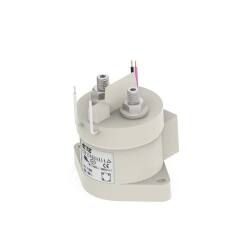
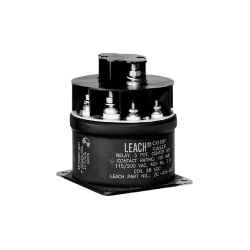
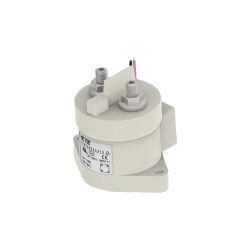
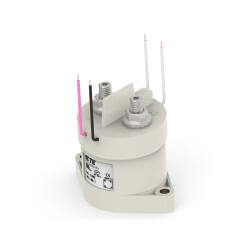
Motor koruma ve anahtarlama devrelerinin en önemli bileşenlerinden biri olan kontaktör, birçok farklı uygulamada kullanılır. Kontaktör özellikleri, çeşitleri, çalışma prensibi gibi konular ışığında kontaktör hakkında merak ettiğiniz tüm detayları yazının devamında bulabilirsiniz.
Kontaktör kısaca elektrik kontrolü ile çalışan bir anahtarlama cihazıdır. Kontaktörün çalışma şekilde rölelere benzer. Röleden farklı olarak daha yüksek akımlarda kullanıma uygun bir yapıya sahiptir. Ayrıca uzakta kontrol edilebilme özelliği ile birçok projede kolay bir kullanım olanağı tanır.
Kontaktörün temel görevi açıp kapanma başka bir deyişle anahtarlama yoluyla enerjiyi bir noktadan başka bir noktaya taşımaktır. Devrelerdeki aşırı akım gibi durumlarda koruma özelliği ile ön plana çıkan kontaktörler enerjiyi bir noktadan bir noktaya iletme görevini yerine getirir. Bu nedenle elektrik tesisatlarında otomatik sigorta, motor koruma şalteri, termik röle gibi çeşitli devre elemanlarıyla birlikte kullanılmalıdır.
Piyasada bulunan kotaktörler kullanım ve tasarım açısından birçok modele sahiptir. En çok tercih edilen temel kontaktör çeşitleri arasında bulunan modeller şöyledir:
Kontaktörlerin çalışma prensibi oldukça basittir. Kontaktörün kontrol devresi yaylı bir sistem sayesinde çalışan elektro manyetizmadan meydana gelir. Bu manyetizma bobin üzerinden geçen akımla hareketlenir. Hareket sonrası iki manyetizma birbirine yaklaşır ve bu hareket iki manyetizmayı kapatır. Böylece kontaklar da kapanır. Bu kapanma sonrası sistemdeki yaylar kontak gücü üretir. Kontrol akımı kesildiğinde ise kontaklar açılır ve ana akım kesilir.
Kontaktörler genel olarak elektrik devrelerini kontrol etmek amacıyla kullanılır. Bu işlevi sayesinde birçok farklı alanda tercih edilir. Sanayi tesislerinde motor, pompa, kompresör gibi cihazların sistemlerinde yer alır. Büyük bina otomasyonlarında da yaygın olarak kulanılan kontaktör modelleri bu alanda aydınlatma sistemlerinin kontrol edilmesinde, elektrikli ısıtıcılar ve kazanlar gibi ısınma sistemlerinde kullanılır. Ayrıca enerji dağıtım panolarında elektrik akışını yönlendirme ve koruma işlevi amacıyla kontaktörlerden yararlanılır. Bunun yanı sıra asansör, vinç gibi güvenli hareket kontrolüne ihtiyaç duyan uygulamalarda sıkça tercih edilir. Bu alanlarda güvenli ve etkili performansıyla ön plana çıkar.
Doğru kontaktör modelini seçmek uygulamada ya da projelerin güvenli şekilde gerçekleşmesi için önemlidir. Bunun için bazı kriterler bulunur. Kontaktör seçimi sırasında dikkat edilmesi gereken unsurlar şöyledir:
Geniş bir skalaya sahip kontaktör fiyatları bazı kriterlere göre değişkenlik gösterebilir. Bunların en başında üretici firma ve malzeme kalitesi gelir. Malzeme kalitesi arttıkça ürünün fiyatı da aynı oranda artış gösterebilir. Ayrıca modellerin tasarımları, güçleri ve özellikleri de fiyatları etkileyen faktörler arasında yer alır. Her bütçeye uygun kontaktör modellerini Empa Store’da bulabilirsiniz. Elektronik sektöründe hizmet veren Empa Store sayesinde kontaktör satın alma işlemini kolayca gerçekleştirebilirsiniz. Geniş ürün yelpazesiyle kullanıcılara hizmet eden Empa Store online mağazadaki modelleri hemen inceleyin, ihtiyaçlarınıza uygun seçenekleri uygun fiyat avantajlarıyla karşılayın.
 EN − TL
 Türkçe