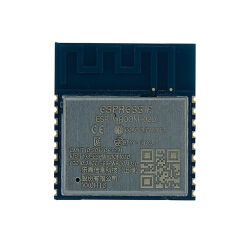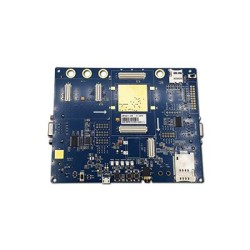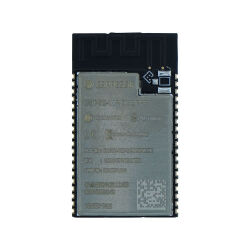
IoT refers to a communication network in which physical objects interact with each other or with larger systems. The acronym stands for Internet of Things, a technology commonly integrated into many aspects of daily life.
An IoT device is any smart object capable of connecting to the internet and exchanging data. These devices typically incorporate:
Sensors
Communication modules
Embedded processors
Control interfaces
IoT devices are used in homes, offices, industrial facilities, automation systems, and various commercial environments.
IoT systems consist of interconnected devices and sensors that communicate with the cloud through various connectivity technologies. Once data reaches the cloud, software processes the information and determines whether an associated device should take action—without requiring direct user input.
IoT architecture consists of five primary components:
Sensors collect raw environmental data, which is converted into digital information that applications and connected devices can utilize.
Gateways manage protocol translation, data routing between networks, temporary data storage, and encryption to ensure secure communication across IoT ecosystems.
IoT devices generate large volumes of data. Cloud platforms provide scalable storage and real-time data processing capability to manage these datasets efficiently.
Analog sensor data is converted into digital values and analyzed to produce actionable insights for automation, optimization, and decision-making.
User interfaces—such as dashboards and touchscreen panels—enable seamless interaction between humans and IoT systems, allowing real-time monitoring and control.
The Internet of Things refers to a system of interconnected computing devices that can collect and transmit data over wireless networks without requiring human intervention. Any device capable of connecting to a wireless network and assigned an IP address can be part of an IoT ecosystem.
Common IoT device examples include:
Smart TVs
Smart speakers
Wearables
Interactive toys
Connected home appliances
Everyday IoT-enabled systems include:
Automatic garage door openers
Smart thermostats
Weather-adaptive sprinkler systems
Robotic vacuum cleaners
More specialized applications include:
Medical heart-rate monitors
Wildlife monitoring cameras
Driver-assistance systems with embedded sensors
IoT provides several key benefits:
High efficiency in machine-to-machine (M2M) communication, enabling significant time savings.
Reduced human intervention, thanks to automation and consistent task execution.
Lower labor and operational costs, improving overall productivity.
Minimized waste in manufacturing processes, supporting sustainability.
Enhanced device interoperability, enabling improved quality control.
Instant access to data, regardless of time or location.
Broad application range, from smart homes to large-scale industrial automation.
 Türkçe
 English