Electricity is a core pillar of modern life, and efficient transmission of electrical energy is critically important. Transformers enable power transfer over long distances while minimizing energy loss. Below is a structured overview of their functions, types, operating principles, and applications.
What Is a Transformer?
A transformer is an electrical device that converts electrical energy from one voltage level to another using the principle of electromagnetic induction. It typically consists of two or more coils (windings):
The primary winding receives an alternating current (AC) input
This generates a magnetic field in the core
The changing magnetic flux induces voltage in the secondary winding, enabling isolated voltage transformation
Because transformers rely on changing magnetic flux, they do not operate with direct current (DC).
What Is the Function of a Transformer?
Transformers adjust voltage levels to:
Reduce transmission losses in high-voltage power lines
Enable safe voltage reduction at distribution or control points
Support both industrial control systems and consumer electronics power regulation
Where Are Transformers Used?
Transformers are widely used across:
Industrial Facilities
Large factories and production plants use transformers to provide multiple voltage levels for heavy machinery and automation systems.
Commercial Buildings & Homes
They support safe power distribution in apartments, offices, and residential electrical infrastructure.
Electronic Devices
Miniature transformers are embedded inside TVs, computers, chargers, and low-power circuit boards.
Renewable Energy Systems
Used to convert generated energy (solar, wind) into grid-compatible voltage levels.
Medical & Healthcare
Ensure stable, safe, and noise-free power for sensitive diagnostic and clinical devices.
Telecommunication Systems
Maintain voltage stability for radio transmitters, TV stations, telephone exchanges, and signal-sensitive communication hardware.
Types of Transformers
Common transformer types include:
Power Transformers — used in high voltage and high power applications
Distribution Transformers — used in urban and industrial grids
Autotransformers — single-winding design for grid transmission systems
Instrument Transformers — used for current and voltage measurement
Isolation Transformers — used for electrical isolation and noise reduction
What Happens If DC Is Applied to a Transformer?
Applying direct current (DC) causes:
The magnetic field to become static (not changing)
No voltage induction in the secondary winding
The core to overheat rapidly, potentially causing transformer burnout
Thus, DC must not be applied, as transformers are designed for AC operation.
Can a Transformer Work with DC?
No. Transformers cannot operate with DC, because induction requires changing magnetic flux, which DC does not provide.
What Is a Step-Up Transformer?
A step-up transformer:
Converts low voltage to high voltage
Is used before electricity enters long-distance transmission lines (e.g., from power plants)
Increases voltage while reducing current, which minimizes line losses and improves transmission efficiency
This makes it possible to transfer electrical energy safely over long distances.
Key Operating Parameters
Critical transformer performance parameters include:
Voltage Ratio — transformation ratio between windings
Power Capacity — maximum supported power load
Efficiency — ratio of input to output power
Frequency — AC frequency the transformer supports
Regulation — voltage variance under load change
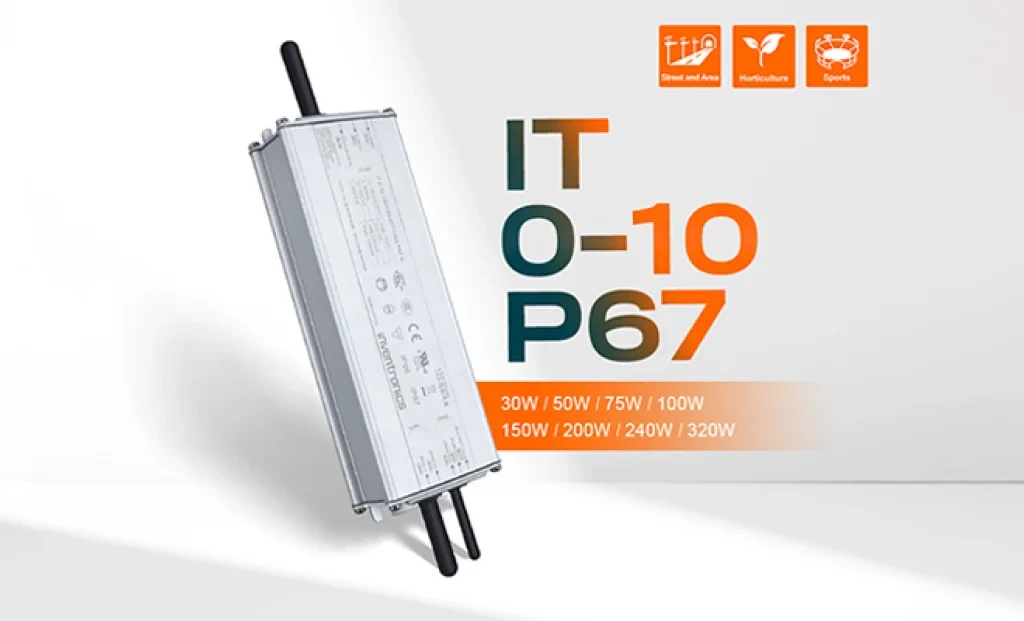
Inventronics has announced two new additions to its outdoor LED driver portfolio: the 150W IT 0-10 150/100-277 P67 and the 240W IT 0-10 240/100-277 P67 programmable drivers. With this new series, the company aims to establish a new benchmark in street and area lighting in terms of performance, efficiency, and durability.
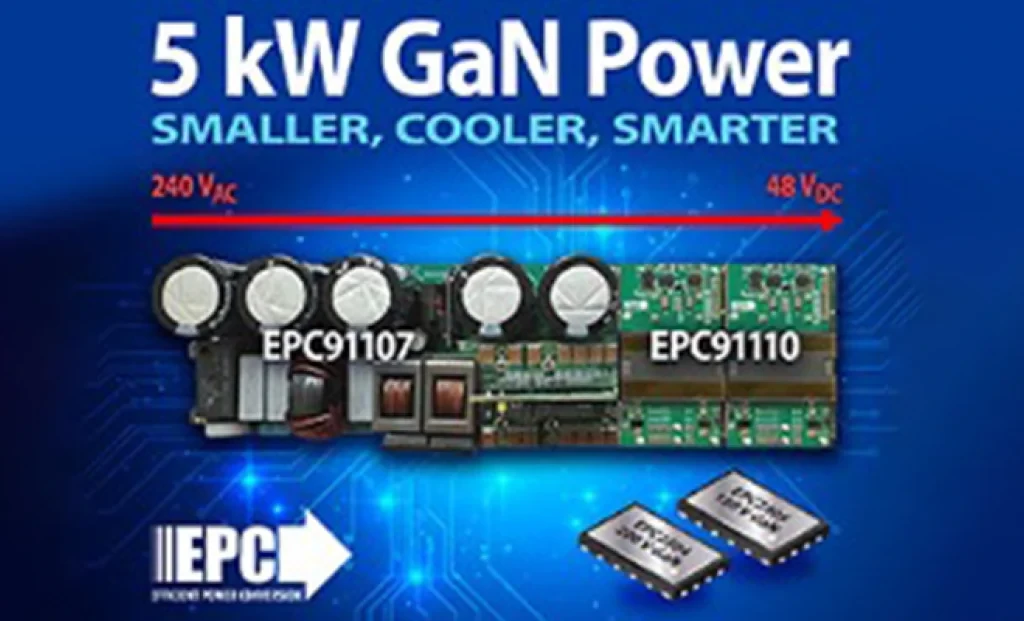
5 kW GaN-Based AC/DC Reference Design from EPC for AI Servers and Data Centers EL SEGUNDO, California — October 2025 — Efficient Power Conversion Corporation (EPC), the world leader in enhancement-mode gallium nitride (eGaN®) power devices, has announced a high-efficiency, high-power-density 5 kW AC-to-48 V DC GaN reference design developed to meet the demands of AI servers and next-generation data center power architectures.
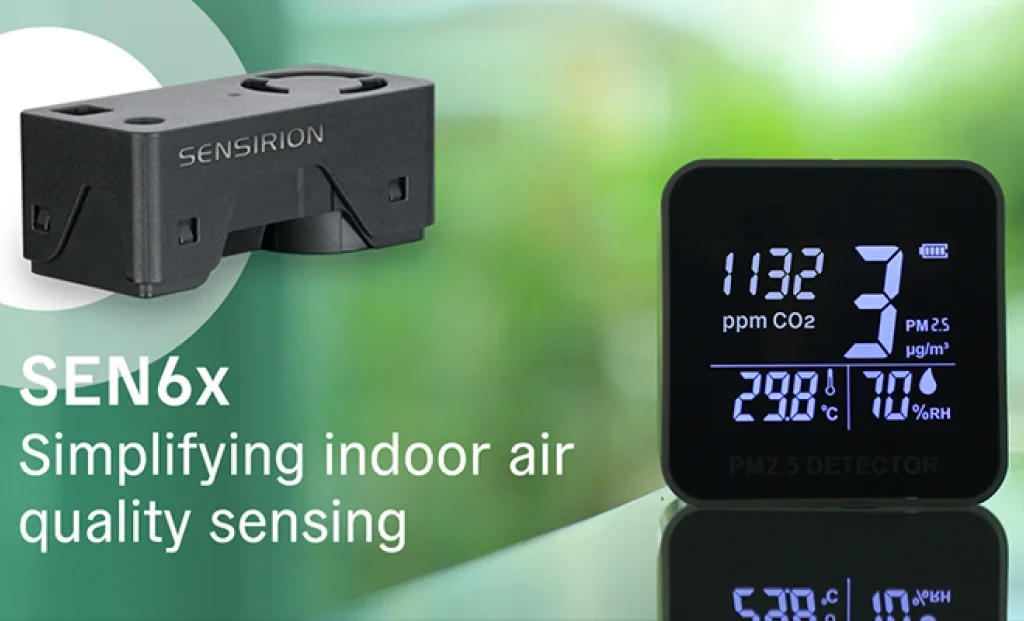
Sensirion has officially announced its next-generation SEN65 and SEN63C sensor platforms, designed to make indoor air quality measurement easier and more accurate than ever before. In addition, the SEK-SEN63C evaluation kit is now available for purchase, enabling developers and system integrators to quickly test and evaluate the new sensor family. Initial orders can be placed immediately.
The long-awaited beta release of Vitis AI 5.1 from AMD has been announced, marking the beginning of a major architectural shift that significantly advances edge AI inference capabilities.
With 44 years of experience, Empa Elektronik, a trusted and pioneering company in the electronic components industry, is set to make transformative investments in the technology ecosystem through its collaboration with Fark Labs, a global innovation and transformation center.
In a comparative study of Auto-ML platforms designed to simplify edge AI deployment, NanoEdge AI Studio and Edge Impulse emerged as leading solutions [1]. The comparison was conducted using multi-sensor biomedical data applied to predictive maintenance use cases.
In shopping malls, galleries, and large-scale commercial spaces, the stability and intelligence of lighting systems are among the most critical factors directly influencing user experience.
 EN − TL
 Türkçe