What Is an NTC (Negative Temperature Coefficient)?
NTC (Negative Temperature Coefficient) sensors are temperature-sensitive components commonly used in industry and daily electronic systems. They are made from semiconductor materials whose resistance decreases as temperature increases. NTCs are widely used for temperature measurement, thermal control, circuit protection, and safety systems. Below, we explore the science and application areas behind these small but effective devices.
What Is an NTC?
NTC refers to semiconductor materials whose electrical resistance decreases as temperature rises. Due to this property, NTC components are represented with the NTC symbol and are frequently used as thermal sensors. Their ability to detect small temperature changes quickly and accurately makes them a cornerstone component in many electronic and industrial systems.
Is an NTC a Sensor?
Yes. NTC is a type of temperature sensor, also known as a thermistor. These sensors detect temperature fluctuations by changing resistance and are used in applications requiring fast response and high measurement precision, including:
HVAC (Heating, Ventilation, and Air Conditioning) systems
Battery management and monitoring
Overheating protection in consumer electronics
Thermal tracking in medical devices
Industrial production and automation panels
Where Are NTC Sensors Used?
NTC thermistors are used in a wide range of devices and systems, including:
Laundry machines, ovens, and refrigerators for temperature control
Vehicles to monitor motor temperature
Computers and mobile phones to prevent overheating
Hospitals for incubators and patient monitoring systems
Factories and industrial facilities for thermal tracking and control
What Does NTC Mean?
NTC components are ideal for detecting temperature-based changes, especially in systems requiring thermal stability, overheat prevention, and automated heat regulation. They are used to measure how long a system stays within safe temperature thresholds.
Types of NTC Sensors
NTC sensors vary based on structure, size, mounting type, and response speed. Common types include:
Disk & Bead NTC Thermistors
Small, low-cost
Fast response
Used in compact electronic circuits
Chip Thermistors
Designed for microelectronics
High stability and precision
Used for controlled measurement accuracy
Cable-Type NTC Sensors
Extended wiring for long-distance measurement
Used mostly in HVAC systems
SMD (Surface-Mount) NTC Thermistors
Small, lightweight
High measurement precision
Ideal for modern PCB designs
How to Select the Right NTC for a Project
NTC sensor selection should consider key factors:
Operating temperature range must match project needs
Measurement sensitivity and accuracy should align with the thermal tolerance of the system
Physical size and mounting type must suit hardware design
Durability and stability are critical for industrial environments
LED-equipped NTC modules can provide additional system-state feedback
By evaluating these criteria, users can choose the most suitable NTC thermistor for their application.
How to Detect an NTC Failure
NTC failure can be diagnosed using the following methods:
Measure resistance using a multimeter at a known temperature. The expected resistance range is provided in the sensor’s technical documentation.
If the measured value falls outside this range, the sensor may be faulty.
Visually inspect for physical damage such as cracks, burn marks, or broken terminals.
Unexpected temperature readings or system errors may also indicate a malfunctioning sensor.
What Is the Purpose of an NTC?
The main function of an NTC sensor is to:
Detect temperature changes
Convert them into measurable electrical resistance values
Enable thermal control in isolated circuits
Protect systems against overheating
This makes NTC thermistors indispensable in thermal safety and analog temperature monitoring.
What Does an NTC Do?
NTC sensors are used for:
Thermal monitoring in automotive systems
Preventing overheat in electronic devices
Medical precision temperature tracking
Temperature-based automation control in industrial systems
How to Use an NTC Sensor
NTC sensors are typically integrated into circuits and used with microcontrollers such as Arduino:
Resistance change caused by temperature fluctuation is converted into a voltage signal
The signal is read through Arduino analog input pins
The microcontroller processes this value to extract temperature data
This method provides fast, reliable, and accurate thermal tracking for robotics and electronics prototyping.
How Does an NTC Work?
NTC sensors operate by:
Reacting rapidly to temperature changes
Expanding and contracting at the semiconductor level
Reducing resistance as heat increases
Providing stable and calibrated thermal feedback
What Is an NTC Failure?
An NTC sensor failure occurs when:
It no longer changes resistance correctly with temperature
It produces incorrect or unstable temperature readings
It suffers thermal stress, aging, or physical damage
Consequences may include:
Faulty heat control
System overheating
Incorrect automation triggers
Potential device damage
Regular testing and timely replacement of backup NTC units help maintain system safety.
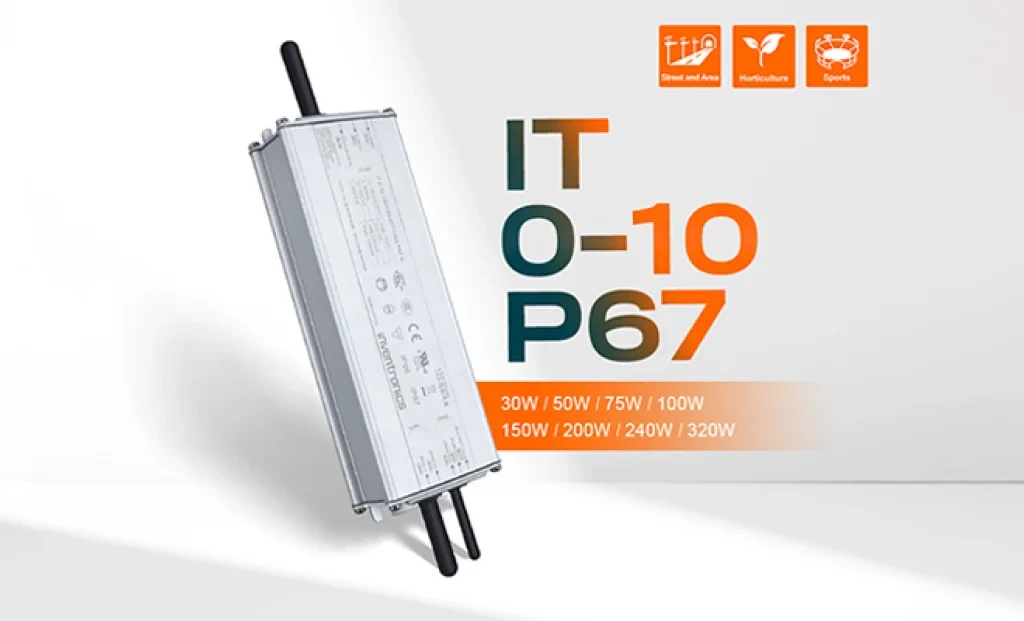
Inventronics has announced two new additions to its outdoor LED driver portfolio: the 150W IT 0-10 150/100-277 P67 and the 240W IT 0-10 240/100-277 P67 programmable drivers. With this new series, the company aims to establish a new benchmark in street and area lighting in terms of performance, efficiency, and durability.
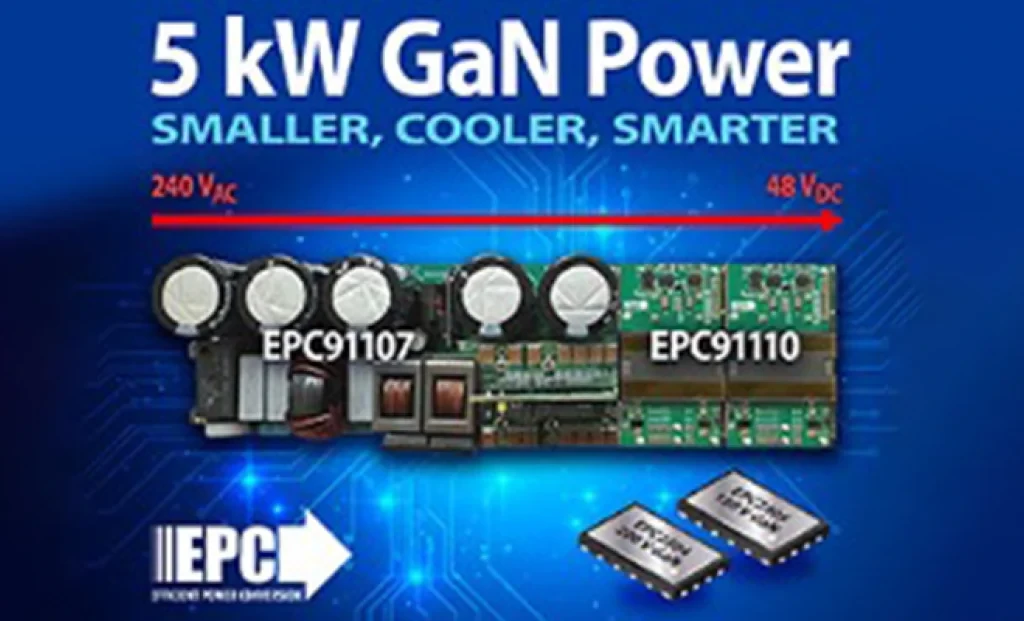
5 kW GaN-Based AC/DC Reference Design from EPC for AI Servers and Data Centers EL SEGUNDO, California — October 2025 — Efficient Power Conversion Corporation (EPC), the world leader in enhancement-mode gallium nitride (eGaN®) power devices, has announced a high-efficiency, high-power-density 5 kW AC-to-48 V DC GaN reference design developed to meet the demands of AI servers and next-generation data center power architectures.
Sensirion has officially announced its next-generation SEN65 and SEN63C sensor platforms, designed to make indoor air quality measurement easier and more accurate than ever before. In addition, the SEK-SEN63C evaluation kit is now available for purchase, enabling developers and system integrators to quickly test and evaluate the new sensor family. Initial orders can be placed immediately.
The long-awaited beta release of Vitis AI 5.1 from AMD has been announced, marking the beginning of a major architectural shift that significantly advances edge AI inference capabilities.
With 44 years of experience, Empa Elektronik, a trusted and pioneering company in the electronic components industry, is set to make transformative investments in the technology ecosystem through its collaboration with Fark Labs, a global innovation and transformation center.
In a comparative study of Auto-ML platforms designed to simplify edge AI deployment, NanoEdge AI Studio and Edge Impulse emerged as leading solutions [1]. The comparison was conducted using multi-sensor biomedical data applied to predictive maintenance use cases.
In shopping malls, galleries, and large-scale commercial spaces, the stability and intelligence of lighting systems are among the most critical factors directly influencing user experience.
 EN − TL
 Türkçe