An LDR sensor is a passive electronic component that responds to changes in light intensity. Manufactured using semiconductor materials, the resistance of an LDR varies depending on the amount of incident light. As ambient light increases, the resistance of the LDR decreases; as light levels drop, its resistance increases.
Thanks to this behavior, LDRs are widely used in electronic systems for light control applications. LDRs are also commonly referred to as photoresistors and are used across many fields.
What Does an LDR Sensor Do?
An LDR light sensor operates by detecting light intensity and adjusting its electrical resistance accordingly. Changes in resistance based on ambient brightness enable automatic lighting control. This basic principle makes LDRs indispensable components in automatic control systems.
The light detected by the LDR is converted into an electrical signal and transferred to the circuit, triggering a light-dependent response. Examples include automatic night lamps, energy-efficient lighting systems, and displays that adjust brightness based on ambient light.
How Does an LDR Sensor Work?
An LDR sensor operates based on the principle of photoconductivity. When light strikes the surface of the semiconductor material, photons are absorbed and excite electrons. As electrons gain energy, more charge carriers become free, causing the electrical resistance to decrease.
In brighter environments, the resistance of the LDR becomes lower; in darker conditions, it increases significantly. This resistance change is detected by the circuit and used to create a light-sensitive control mechanism.
Applications such as street lights that turn on at night or screens that automatically adjust brightness rely on this principle.
Simple LDR Circuit
A basic LDR circuit forms the foundation of light-sensitive systems. Such a circuit typically consists of an LDR, a resistor, and an LED. When light levels decrease, the resistance of the LDR increases and the LED turns on. When light intensity increases, the resistance drops and the LED turns off.
In circuit diagrams, an LDR is represented by a photoresistor symbol, which appears as a resistor with arrows pointing toward it, symbolizing light sensitivity.
Advantages of LDR Sensors
LDR sensors offer several advantages in practical applications:
Simple structure enables easy use and installation
Low cost makes them budget-friendly for many applications
High sensitivity to changes in light intensity
Easy integration into various electronic circuits
Low power consumption, ideal for battery-powered devices
Versatile usage, from simple projects to advanced control systems
Disadvantages of LDR Sensors
Despite their benefits, LDRs also have some limitations:
Limited spectral response restricts certain applications
Sensitivity may be affected by temperature variations
Slow response time makes them unsuitable for fast systems
Susceptible to environmental factors such as humidity and temperature
May provide unstable readings under fluctuating light conditions
Measurement errors can occur at very high light levels
Applications of LDR Sensors
LDR sensors are widely used wherever automatic light response is required. Common application areas include:
Street lighting systems that activate at low daylight levels
Cameras, where they assist with exposure control
Security systems, detecting sudden light changes to trigger alarms
Greenhouse automation, adjusting lighting to support plant growth
Weather stations, measuring ambient light
Automotive headlights, managing automatic light switching
Digital displays, optimizing brightness
Solar panel tracking systems, improving energy efficiency
Photo Diode (LDR) Functional Testing
Testing an LDR (often referred to as a photoresistor) is typically done by measuring resistance with a multimeter. Under light conditions, the resistance should be low; in darkness, it should be high.
If the resistance does not change or remains constant, the LDR may be faulty. This method allows quick verification of the sensor’s light sensitivity and overall functionality.
Frequently Asked Questions About LDR Sensors
Is an LDR a Sensor or an Actuator?
An LDR functions as a sensor. It detects light intensity and adjusts its resistance accordingly.
Is an LDR Analog or Digital?
An LDR is an analog device. Its resistance changes continuously depending on light intensity, producing analog signals across different light levels.
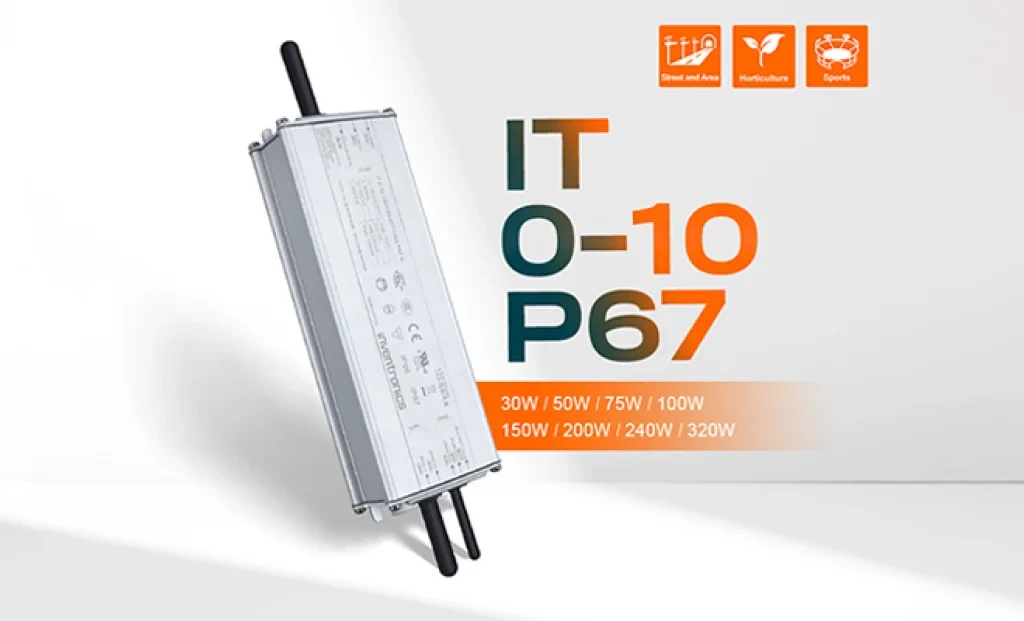
Inventronics has announced two new additions to its outdoor LED driver portfolio: the 150W IT 0-10 150/100-277 P67 and the 240W IT 0-10 240/100-277 P67 programmable drivers. With this new series, the company aims to establish a new benchmark in street and area lighting in terms of performance, efficiency, and durability.
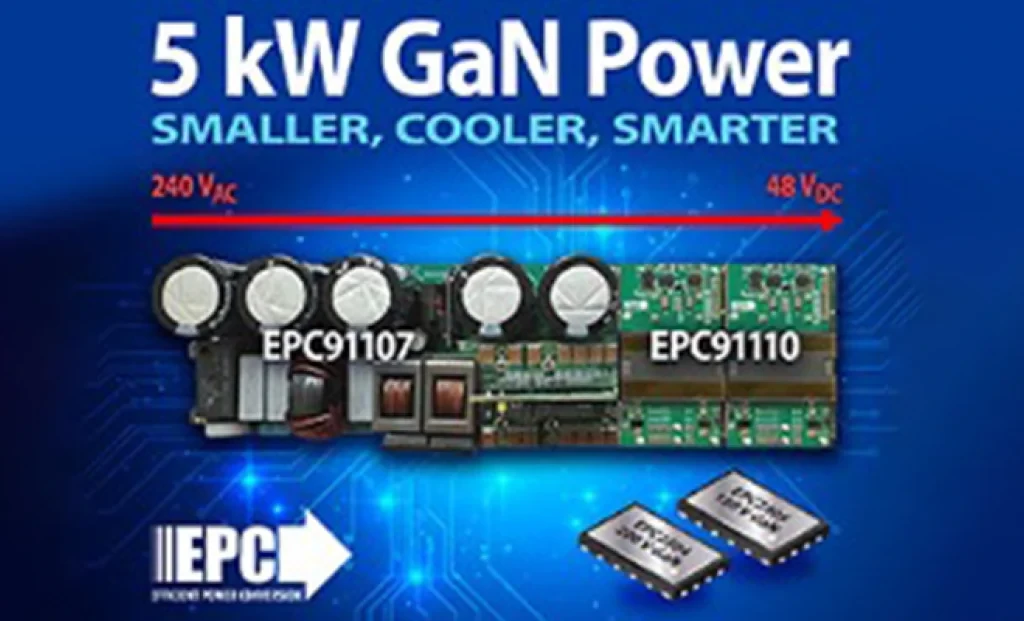
5 kW GaN-Based AC/DC Reference Design from EPC for AI Servers and Data Centers EL SEGUNDO, California — October 2025 — Efficient Power Conversion Corporation (EPC), the world leader in enhancement-mode gallium nitride (eGaN®) power devices, has announced a high-efficiency, high-power-density 5 kW AC-to-48 V DC GaN reference design developed to meet the demands of AI servers and next-generation data center power architectures.
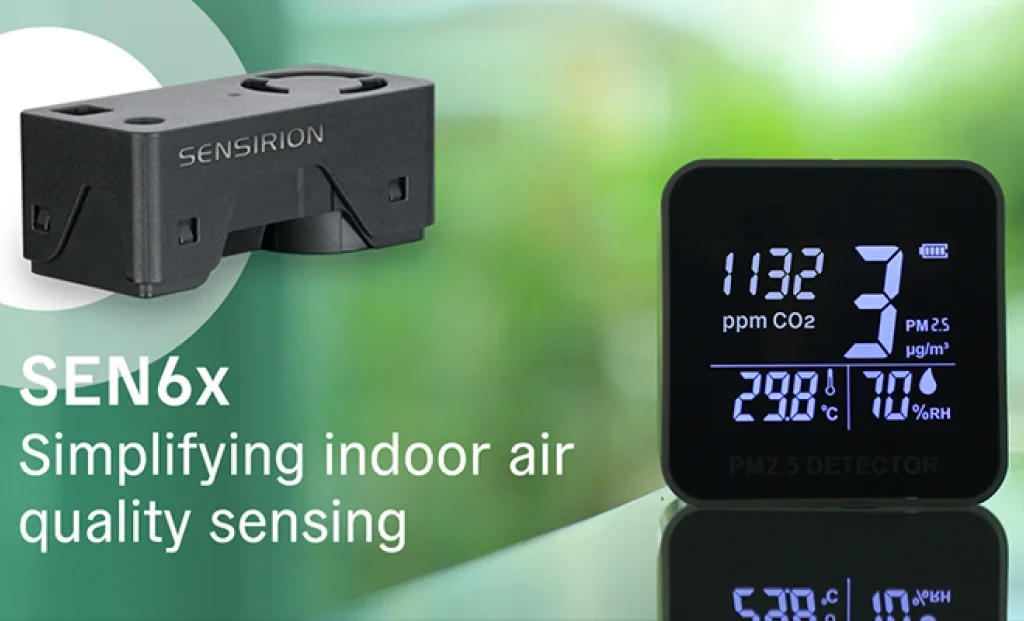
Sensirion has officially announced its next-generation SEN65 and SEN63C sensor platforms, designed to make indoor air quality measurement easier and more accurate than ever before. In addition, the SEK-SEN63C evaluation kit is now available for purchase, enabling developers and system integrators to quickly test and evaluate the new sensor family. Initial orders can be placed immediately.
The long-awaited beta release of Vitis AI 5.1 from AMD has been announced, marking the beginning of a major architectural shift that significantly advances edge AI inference capabilities.
With 44 years of experience, Empa Elektronik, a trusted and pioneering company in the electronic components industry, is set to make transformative investments in the technology ecosystem through its collaboration with Fark Labs, a global innovation and transformation center.
In a comparative study of Auto-ML platforms designed to simplify edge AI deployment, NanoEdge AI Studio and Edge Impulse emerged as leading solutions [1]. The comparison was conducted using multi-sensor biomedical data applied to predictive maintenance use cases.
In shopping malls, galleries, and large-scale commercial spaces, the stability and intelligence of lighting systems are among the most critical factors directly influencing user experience.
 EN − TL
 Türkçe