Electric current is the flow of energy that occurs when electric charges, known as electrons, move through a conductive material. This energy flow is what enables a lamp to light up or a motor to operate. The movement of electrons is triggered by voltage, which is supplied by an energy source.
Electric current is measured in amperes (A) and has different characteristics depending on the direction and speed of charge flow. The relationship between current (I), voltage (V), and resistance (R) is defined by the well-known formula:
I = V / R
This formula shows that the current in a circuit is calculated by dividing the applied voltage by the resistance. Thanks to this relationship, it is easy to determine the numerical value of current in electrical circuits.
How Is Electric Current Generated?
Electric current is generated by the movement of free electrons within a conductor and is initiated by a potential difference, also known as voltage. Voltage can be defined as the driving force that causes charges to move between two points.
For example, the voltage between the positive and negative terminals of a battery initiates electron movement, creating a current that flows through the circuit. The fundamental requirements for electric current to occur are:
An energy source to initiate electron movement
A conductive material that allows electrons to move freely
A closed circuit to maintain continuous current flow
Without a closed loop, current cannot flow continuously.
How Is Electric Current Measured?
The unit of electric current is the ampere (A), which represents the amount of electric charge passing through a conductor in one second. Current is measured using instruments such as an ammeter or a multimeter.
An ammeter is specifically designed to measure current and is connected in series with the circuit. Both analog and digital ammeters are available and are used primarily for current measurement.
A multimeter, on the other hand, is a versatile device capable of measuring current, voltage, and resistance, making it one of the most commonly used tools for electrical testing and maintenance.
Types of Electric Current
There are two main types of electric current: Direct Current (DC) and Alternating Current (AC).
Direct Current (DC):
In DC, electrons flow in a single direction, and the voltage remains constant. DC is commonly used in batteries, solar panels, and electronic devices. For example, a simple LED requires direct current to operate.
Alternating Current (AC):
In AC, the direction and magnitude of electron flow change periodically. AC is widely used in homes and industrial systems and allows efficient long-distance power transmission by using high voltage. For instance, the 220 V electricity supplied from household outlets is AC.
Both types of current are used for different applications. DC is ideal for electronic devices, battery-powered systems, and mobile technologies, while AC is preferred for power distribution, industrial facilities, and large electrical machines. In systems such as inverters and power supplies, both types of current may be used together to achieve higher efficiency and flexibility.
Frequently Asked Questions About Electric Current
Is Electric Current a Fundamental Quantity?
Yes, electric current is a fundamental physical quantity. In the International System of Units (SI), its unit is the ampere. Electric current is directly related to charge flow and is connected to voltage and resistance through Ohm’s Law.
Is Electric Current a Vector Quantity?
Although electric current has both magnitude and direction, it is generally considered a scalar quantity. This is because current flow is defined along a fixed path within a circuit. However, in electromagnetic field analysis, current direction may be treated in a vectorial manner.
Is Electric Current a Scalar Quantity?
Yes, electric current is typically treated as a scalar quantity. Its value is expressed numerically in amperes. For example, stating that a circuit has a current of 5 A refers to a scalar measurement.
Are Electric Current and Current Intensity the Same?
Yes, electric current and current intensity refer to the same concept. Current intensity describes the amount of charge flowing through a conductor and is synonymous with electric current. For example, saying “the current intensity in the circuit is 2 A” means that the electric current is 2 amperes.
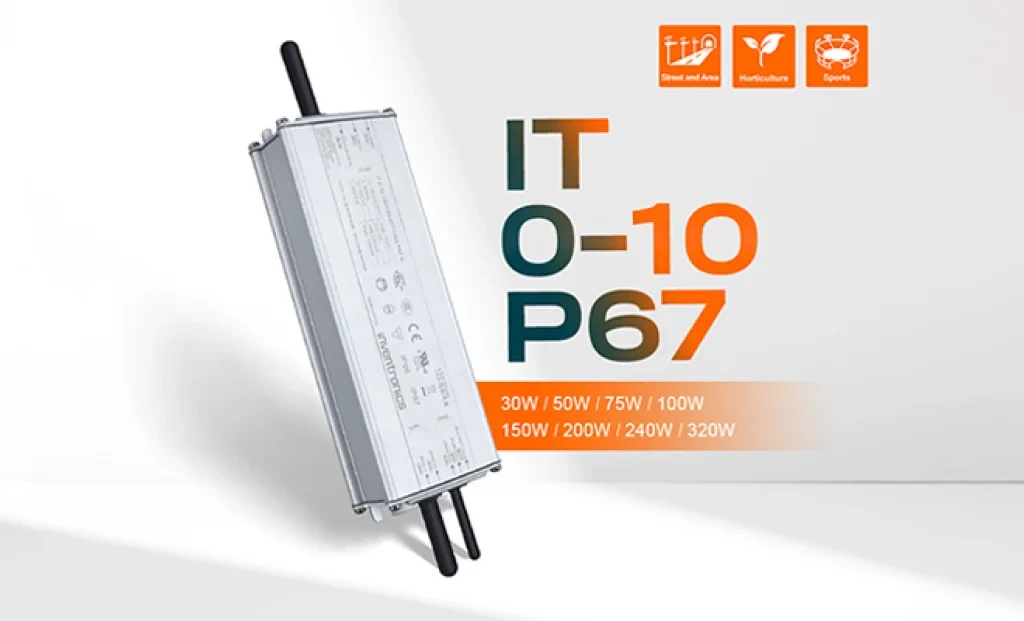
Inventronics has announced two new additions to its outdoor LED driver portfolio: the 150W IT 0-10 150/100-277 P67 and the 240W IT 0-10 240/100-277 P67 programmable drivers. With this new series, the company aims to establish a new benchmark in street and area lighting in terms of performance, efficiency, and durability.
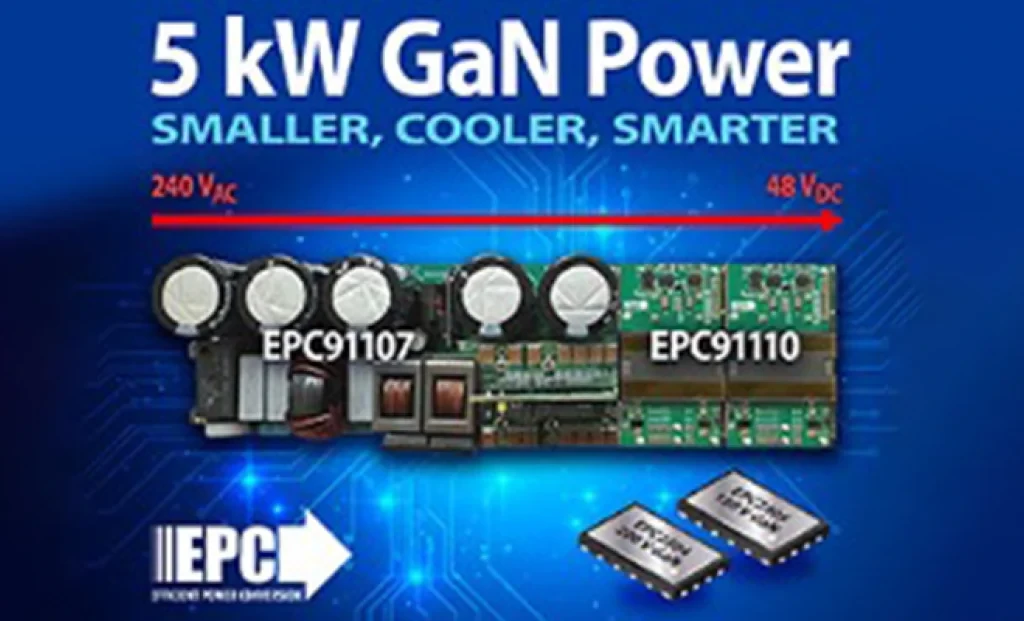
5 kW GaN-Based AC/DC Reference Design from EPC for AI Servers and Data Centers EL SEGUNDO, California — October 2025 — Efficient Power Conversion Corporation (EPC), the world leader in enhancement-mode gallium nitride (eGaN®) power devices, has announced a high-efficiency, high-power-density 5 kW AC-to-48 V DC GaN reference design developed to meet the demands of AI servers and next-generation data center power architectures.
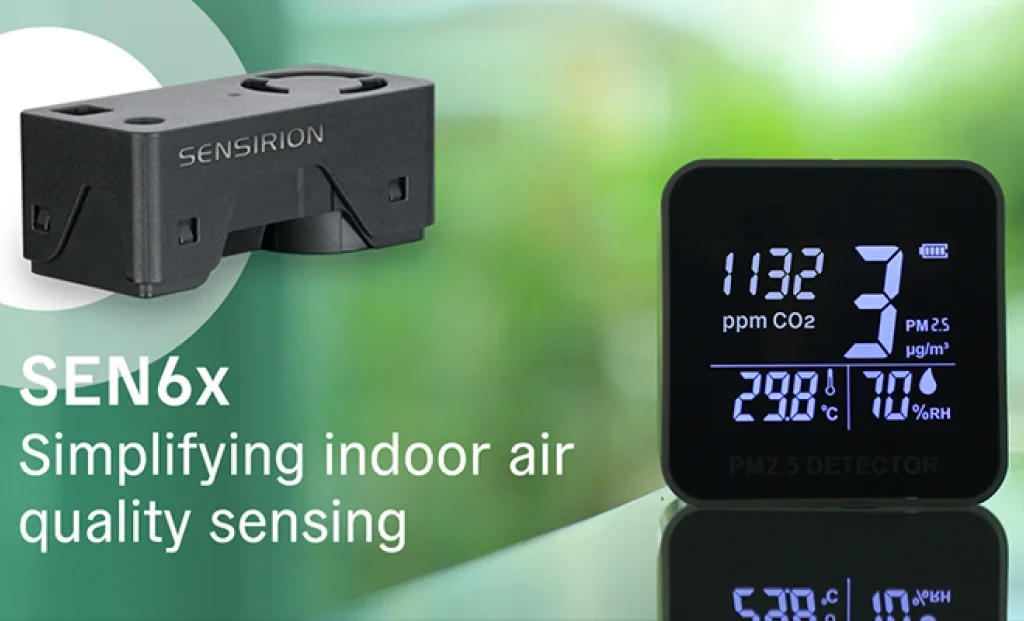
Sensirion has officially announced its next-generation SEN65 and SEN63C sensor platforms, designed to make indoor air quality measurement easier and more accurate than ever before. In addition, the SEK-SEN63C evaluation kit is now available for purchase, enabling developers and system integrators to quickly test and evaluate the new sensor family. Initial orders can be placed immediately.
The long-awaited beta release of Vitis AI 5.1 from AMD has been announced, marking the beginning of a major architectural shift that significantly advances edge AI inference capabilities.
With 44 years of experience, Empa Elektronik, a trusted and pioneering company in the electronic components industry, is set to make transformative investments in the technology ecosystem through its collaboration with Fark Labs, a global innovation and transformation center.
In a comparative study of Auto-ML platforms designed to simplify edge AI deployment, NanoEdge AI Studio and Edge Impulse emerged as leading solutions [1]. The comparison was conducted using multi-sensor biomedical data applied to predictive maintenance use cases.
In shopping malls, galleries, and large-scale commercial spaces, the stability and intelligence of lighting systems are among the most critical factors directly influencing user experience.
 EN − TL
 Türkçe