A DC (Direct Current) motor is an electric motor that converts electrical energy into motion and operates using direct current. Because it is used in a wide range of areas—from home appliances to industrial machinery—it occupies a significant place in everyday life. You can find more details about DC motors in the rest of this article.
What Is a DC Motor?
A DC motor is a high-speed rotational system powered by direct current, designed to convert electrical energy into mechanical energy. DC motors are advanced electromechanical components used across many commercial, engineering, and technological applications. When current is applied, the motor receives electrical input and transforms it into continuous rotational motion.
How Does a DC Motor Work?
A DC motor consists of a stationary stator and a moving rotor, which are the core structural components that enable motor operation. When direct current is applied to the internal windings, magnetic forces are created through interaction with permanent magnets or an electromagnetic stator field, causing the rotor to turn. In brushed DC motors, the commutator and physical carbon brushes reverse current direction through mechanical contact. In brushless DC motors (BLDC), current switching is handled electronically via the motor driver and control circuitry.
Types of DC Motors
DC motors are produced in multiple configurations to meet different power, torque, and control requirements.
12V DC motors are commonly used in low-to-mid power applications.
24V DC motors are preferred in systems requiring higher power output.
DC geared motors (reduction motors) include an integrated gearbox, delivering higher torque at lower speed.
Non-geared DC motors provide lower torque but operate at higher speed.
Brushed DC motors are widely used in rechargeable tools, hobby kits, and remote-controlled vehicles due to easy speed and direction control.
Brushless DC motors (BLDC) are preferred in drones, computers, and high-performance electronics due to long lifespan, low noise, and minimal maintenance.
Mini DC motor kits and motor sets bundle compatible components such as drivers, interfaces, and power elements for project-based usage.
AC Motor vs. DC Motor: Key Differences
DC motors operate using direct current (DC), while AC motors operate using alternating current (AC).
AC motors require more complex control systems, whereas DC motors offer simpler and more precise speed and direction control.
AC motors typically achieve higher speed, while DC motors are capable of producing higher torque.
AC motors are more common in industrial environments, while DC motors are preferred in automotive systems, home appliances, robotics, and applications requiring precise motion control.
How to Control a DC Motor
DC motor control is achieved using a motor driver circuit. The speed control circuit can be interfaced with user inputs such as potentiometers, digital buttons, or microcontroller-based analog signals to regulate both torque and RPM levels.
Where Are DC Motors Used?
DC motors are widely used in industrial, commercial, engineering, medical, and consumer applications, including:
Automotive systems: electric vehicles, e-bikes, scooters, and charging-coupled motion systems
Home appliances: washing machines, fans, vacuum cleaners, ovens
Office equipment: printers, scanners, photocopy machines
Industrial automation: conveyor belts, pumps, robotic arms
Medical and lab devices: incubators, imaging support hardware, precision motion units
Renewable energy systems: wind turbines, solar-coupled power regulation and motion subsystems
Consumer electronics: drones, computers, hobby robotics kits, remote-controlled toys
Where to Buy DC Motors
You can find a wide selection of DC motor models within Empa Store’s product catalog. Empa Store offers electronics for multiple industries and project-based usage. You can also review prices and technical specifications to choose the most suitable model for your needs.
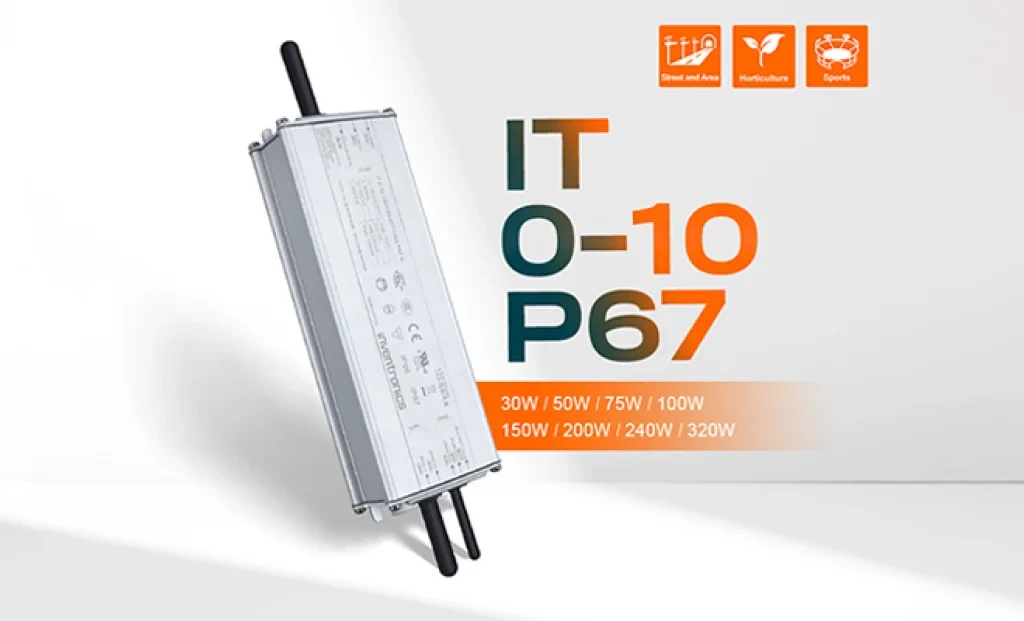
Inventronics has announced two new additions to its outdoor LED driver portfolio: the 150W IT 0-10 150/100-277 P67 and the 240W IT 0-10 240/100-277 P67 programmable drivers. With this new series, the company aims to establish a new benchmark in street and area lighting in terms of performance, efficiency, and durability.
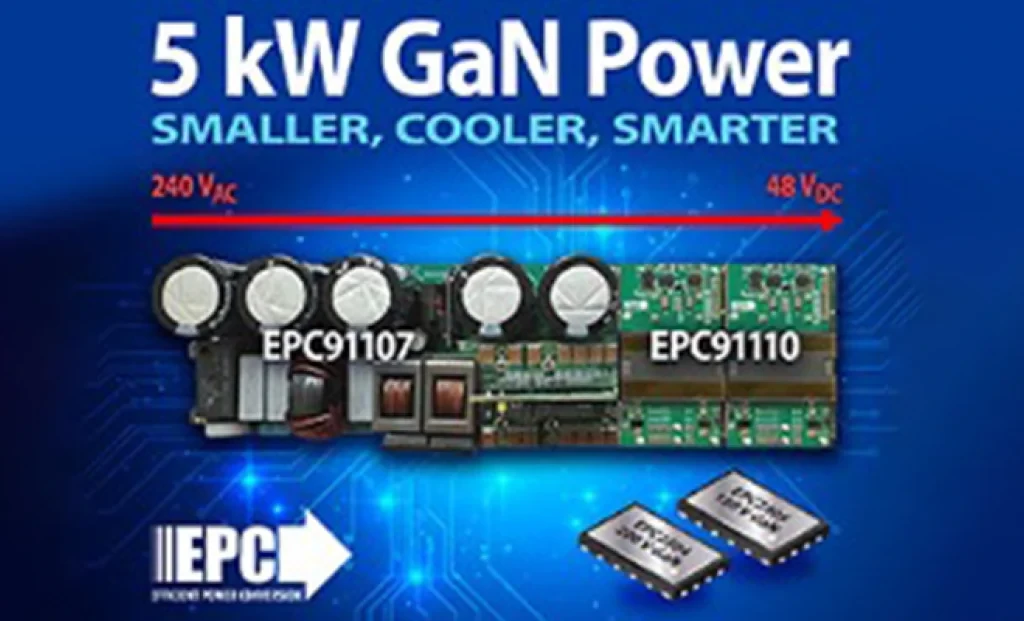
5 kW GaN-Based AC/DC Reference Design from EPC for AI Servers and Data Centers EL SEGUNDO, California — October 2025 — Efficient Power Conversion Corporation (EPC), the world leader in enhancement-mode gallium nitride (eGaN®) power devices, has announced a high-efficiency, high-power-density 5 kW AC-to-48 V DC GaN reference design developed to meet the demands of AI servers and next-generation data center power architectures.
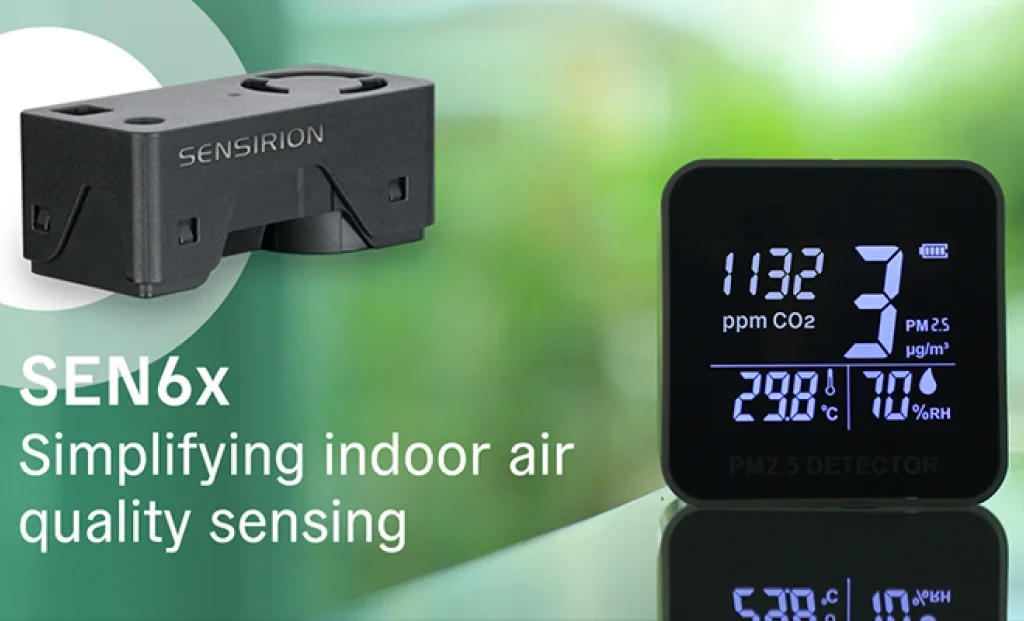
Sensirion has officially announced its next-generation SEN65 and SEN63C sensor platforms, designed to make indoor air quality measurement easier and more accurate than ever before. In addition, the SEK-SEN63C evaluation kit is now available for purchase, enabling developers and system integrators to quickly test and evaluate the new sensor family. Initial orders can be placed immediately.
The long-awaited beta release of Vitis AI 5.1 from AMD has been announced, marking the beginning of a major architectural shift that significantly advances edge AI inference capabilities.
With 44 years of experience, Empa Elektronik, a trusted and pioneering company in the electronic components industry, is set to make transformative investments in the technology ecosystem through its collaboration with Fark Labs, a global innovation and transformation center.
In a comparative study of Auto-ML platforms designed to simplify edge AI deployment, NanoEdge AI Studio and Edge Impulse emerged as leading solutions [1]. The comparison was conducted using multi-sensor biomedical data applied to predictive maintenance use cases.
In shopping malls, galleries, and large-scale commercial spaces, the stability and intelligence of lighting systems are among the most critical factors directly influencing user experience.
 EN − TL
 Türkçe