A multimeter is a multifunctional measurement instrument used for electrical testing and diagnostics. It can measure voltage (V), current (A), and resistance (Ω), while advanced models can also measure additional parameters such as temperature, frequency, and capacitance. Multimeters are available in both analog and digital types, making them essential tools for circuit testing, electrical repairs, maintenance, and troubleshooting. With their ability to verify circuit behavior and identify faults, they are widely used by professional electricians, engineers, technicians, and electronics hobbyists.
How to Use a Multimeter
Although usage may vary by measurement type, the general steps are as follows:
Familiarize yourself with your device—digital multimeters (DMMs) are typically easier to read and provide more accurate results, making them the most commonly preferred option.
Select the correct function and range based on the parameter you want to measure.
Example: For voltage measurement, choose AC (alternating current) or DC (direct current) mode as appropriate.
Connect the probe cables to the correct input ports:
Black probe → COM (Common / Ground)
Red probe → VΩmA port for standard measurements, or 10A port for high current readings.
Place the probe tips on the circuit or component terminals and ensure firm, clean contact for accurate measurement.
Read the measurement result:
Digital screens display values numerically
Analog multimeters require reading the scale and needle position.
Record the measured values, then reset or power off the device when finished.
Whenever possible, ensure the circuit is powered off before testing, unless live measurement is required by the procedure.
Check that the multimeter battery is adequately charged before use.
Review the device manual or labeled dial carefully and confirm the selected mode and range—incorrect settings may cause serious damage or safety risks.
What Does a Multimeter Do?
Multimeters allow users to:
Measure key electrical magnitudes in a system
Diagnose faults in circuits and electrical equipment
Test individual components
Support proper maintenance and repair decisions
Types of Multimeters
Common multimeter categories include:
Analog Multimeters: Display readings via a needle and printed scale. They can track rapidly changing values, but are harder to read compared to digital models.
Digital Multimeters (DMMs): Show results numerically on LCD/TFT screens. They typically include enhanced accuracy, automatic ranging, and improved error tolerance. Premium brands (e.g., Fluke) are usually in this class.
Auto-Ranging Multimeters: Automatically detect and select the correct measurement range—ideal for beginners and fluctuating environments.
Manual-Range Multimeters: Require users to set the range manually—best for experienced users and controlled precision testing.
Pen/Probe-Style Multimeters: Compact, portable devices for fast basic checks.
Benchtop Multimeters: Lab-grade devices offering higher precision and additional measurement features.
Premium Industrial Multimeters (e.g., Fluke): Built for durability, high accuracy, and demanding professional environments.
Key Considerations When Buying a Multimeter
Before purchasing, evaluate:
Measurement accuracy & resolution
Supported measurement modes (V, A, Ω, Hz, capacitance, temperature, etc.)
Auto-range capability
Safety protections (e.g., overload protection, double insulation)
Connectivity features (e.g., data logging, Bluetooth, computer sync)
Warranty and technical support availability
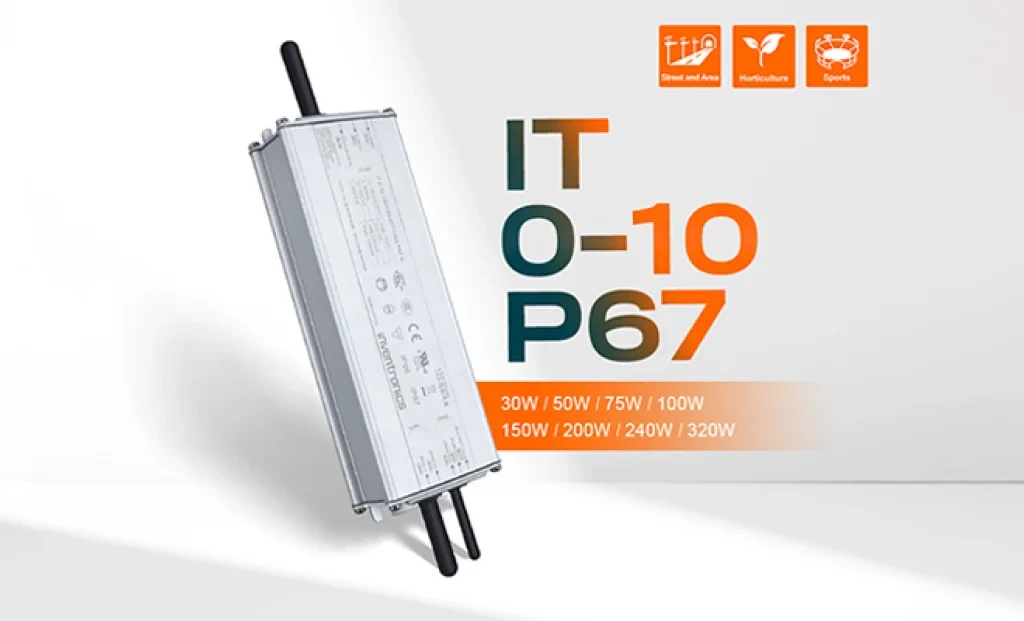
Inventronics has announced two new additions to its outdoor LED driver portfolio: the 150W IT 0-10 150/100-277 P67 and the 240W IT 0-10 240/100-277 P67 programmable drivers. With this new series, the company aims to establish a new benchmark in street and area lighting in terms of performance, efficiency, and durability.
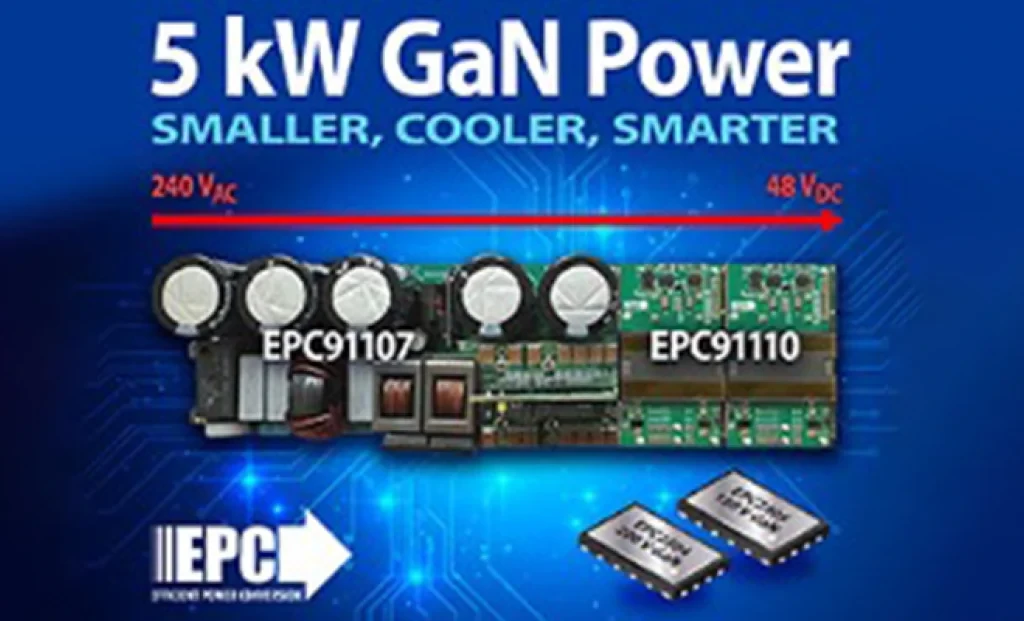
5 kW GaN-Based AC/DC Reference Design from EPC for AI Servers and Data Centers EL SEGUNDO, California — October 2025 — Efficient Power Conversion Corporation (EPC), the world leader in enhancement-mode gallium nitride (eGaN®) power devices, has announced a high-efficiency, high-power-density 5 kW AC-to-48 V DC GaN reference design developed to meet the demands of AI servers and next-generation data center power architectures.
Sensirion has officially announced its next-generation SEN65 and SEN63C sensor platforms, designed to make indoor air quality measurement easier and more accurate than ever before. In addition, the SEK-SEN63C evaluation kit is now available for purchase, enabling developers and system integrators to quickly test and evaluate the new sensor family. Initial orders can be placed immediately.
The long-awaited beta release of Vitis AI 5.1 from AMD has been announced, marking the beginning of a major architectural shift that significantly advances edge AI inference capabilities.
With 44 years of experience, Empa Elektronik, a trusted and pioneering company in the electronic components industry, is set to make transformative investments in the technology ecosystem through its collaboration with Fark Labs, a global innovation and transformation center.
In a comparative study of Auto-ML platforms designed to simplify edge AI deployment, NanoEdge AI Studio and Edge Impulse emerged as leading solutions [1]. The comparison was conducted using multi-sensor biomedical data applied to predictive maintenance use cases.
In shopping malls, galleries, and large-scale commercial spaces, the stability and intelligence of lighting systems are among the most critical factors directly influencing user experience.
 EN − TL
 Türkçe