A jumper cable is a connection cable widely used in electronic projects and circuit design. It stands out with its flexible and insulated structure. It is commonly preferred for creating temporary connections between circuit components. Jumper cables include male or female connector types at their ends, enabling easy access to connection points without soldering. Because they do not require soldering, they provide fast and practical solutions during the prototyping process. Jumper cables are also used for configuration and hardware adjustment tasks on electronic components such as motherboards. For both amateur and professional users, jumper cable models offer versatile and efficient connectivity. Detailed information about jumper cables can be found in the rest of this article.
What Are Jumper Cables Used For?
Jumper cables are used to enable or disable specific functions in electronic circuits. They are commonly preferred for building fast and temporary connections on devices such as breadboards and circuit boards. For example, jumper cables can be used to enable or disable features like intrusion detection on a motherboard. Jumper cables demonstrate effective performance for modifying settings, bridging circuit elements, or temporarily interrupting a circuit. Their solder-free structure allows fast and flexible solutions during prototyping and supports functional circuit behavior by enabling rapid connectivity.
Jumper Cable Specifications
Jumper cables provide major advantages to designers in terms of flexibility, insulation, and ease of use. Specifications may vary depending on project requirements. The market offers a wide range of jumper cable options in different lengths, connector types, and price ranges, suitable for various project budgets. Key features include:
Jumper cable types provide 3 connector options: male-male, female-female, and male-female.
Jumper cables are generally insulated using PVC, ensuring electrical safety and reliable isolation.
Models are manufactured in various lengths, enabling selection based on the distance between circuit components.
Jumper cables stand out with flexibility, supporting easy shaping and placement on circuits.
Jumper cables are designed in different colors, improving connection tracking and visual identification in circuits.
Jumper cable pricing is suitable for all project budgets with a broad price range.
Types of Jumper Cables
Jumper cables are categorized into three main types based on connector design:
Male-Male Jumper Cable: Models containing male connectors on both ends. These are commonly used for building connections between breadboards and circuit boards.
Female-Female Jumper Cable: Models containing female connectors on both ends. These are particularly preferred by designers working with pin headers.
Male-Female Jumper Cable: Models containing a female connector on one end and a male connector on the other end. These are widely used for creating connections between different interfaces and components.
Jumper cable colors do not affect circuit performance. They are used only for connection identification and visual tracking.
Where Are Jumper Cables Used?
Jumper cables are ideal for designers working on breadboards, providing solder-free temporary connections. They are widely preferred in microcontroller projects such as Arduino and Raspberry Pi, as well as for sensor connections and experimental circuit setups. Additionally, jumper cables are effective for test circuits, short-circuit operations, and hardware configuration tasks on motherboards.
What Is the Standard Jumper Cable Thickness?
Jumper cable thickness is represented by the AWG (American Wire Gauge) standard. The globally accepted standard jumper cable thickness is 22 AWG, supporting sufficient current capacity and high flexibility. Thicker or thinner options are also available depending on the required current load and project specifications.
How Many mm Is a Jumper Cable?
Jumper cable diameters are not expressed directly in mm but classified using AWG. The standard 22 AWG jumper cable diameter is approximately 0.64 mm.
How Many Amps Can a Jumper Cable Handle?
The current capacity of a jumper cable depends on its thickness and conductor material. Standard jumper cables generally carry 1–2 amps. Higher-amp jumper cable options are also available for more demanding applications.
You can find the highest-quality jumper cable options at Empa Store, which serves as a distributor for many globally recognized brands in Türkiye. By choosing Empa Store, you can easily order the most suitable jumper cable for your project needs.
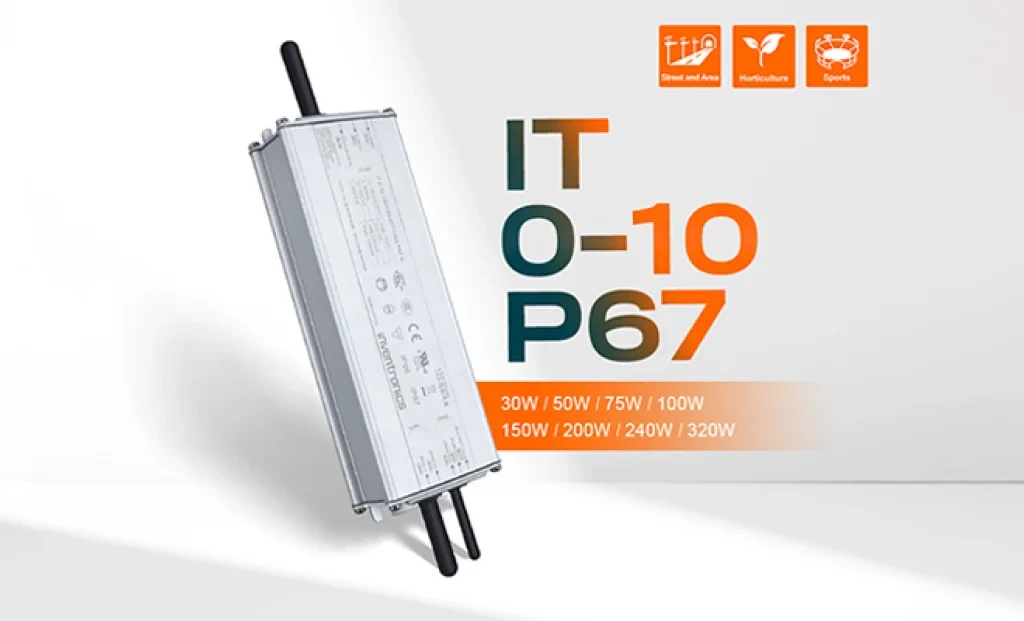
Inventronics has announced two new additions to its outdoor LED driver portfolio: the 150W IT 0-10 150/100-277 P67 and the 240W IT 0-10 240/100-277 P67 programmable drivers. With this new series, the company aims to establish a new benchmark in street and area lighting in terms of performance, efficiency, and durability.
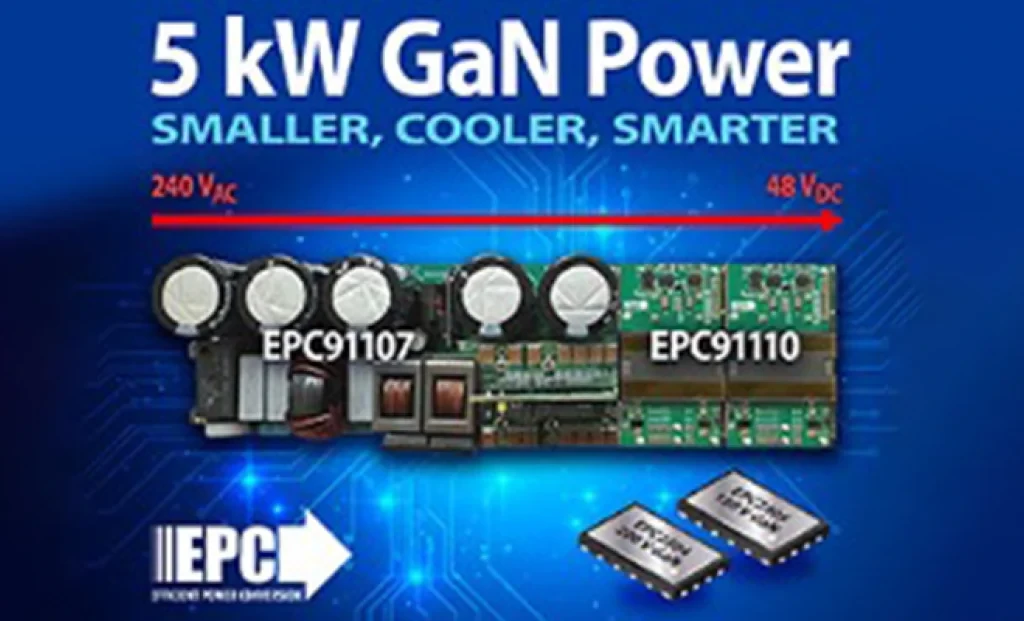
5 kW GaN-Based AC/DC Reference Design from EPC for AI Servers and Data Centers EL SEGUNDO, California — October 2025 — Efficient Power Conversion Corporation (EPC), the world leader in enhancement-mode gallium nitride (eGaN®) power devices, has announced a high-efficiency, high-power-density 5 kW AC-to-48 V DC GaN reference design developed to meet the demands of AI servers and next-generation data center power architectures.
Sensirion has officially announced its next-generation SEN65 and SEN63C sensor platforms, designed to make indoor air quality measurement easier and more accurate than ever before. In addition, the SEK-SEN63C evaluation kit is now available for purchase, enabling developers and system integrators to quickly test and evaluate the new sensor family. Initial orders can be placed immediately.
The long-awaited beta release of Vitis AI 5.1 from AMD has been announced, marking the beginning of a major architectural shift that significantly advances edge AI inference capabilities.
With 44 years of experience, Empa Elektronik, a trusted and pioneering company in the electronic components industry, is set to make transformative investments in the technology ecosystem through its collaboration with Fark Labs, a global innovation and transformation center.
In a comparative study of Auto-ML platforms designed to simplify edge AI deployment, NanoEdge AI Studio and Edge Impulse emerged as leading solutions [1]. The comparison was conducted using multi-sensor biomedical data applied to predictive maintenance use cases.
In shopping malls, galleries, and large-scale commercial spaces, the stability and intelligence of lighting systems are among the most critical factors directly influencing user experience.
 EN − TL
 Türkçe