Filament is a thermoplastic raw material used as the core consumable in 3D printing technology to create three-dimensional objects. Typically supplied in spools, filament is heated and melted in the printhead extruder, then deposited layer-by-layer according to the digital model design.
Filament is commonly manufactured in 1.75 mm and 2.85 mm diameters, using different thermoplastic formulations and composite additives. Since material composition varies, filaments exhibit different properties in strength, flexibility, impact resistance, thermal behavior, color, surface finish, environmental durability, storage conditions, and service life.
They are used in a wide spectrum of applications—from hobbyist prints to industrial prototypes and end-use mechanical components.
Common Filament Types and Their Properties
PETG (Polyethylene Terephthalate Glycol-modified)
Flexible, durable, and easy to process
Typical printing temperature: 220–250°C
Suitable for transparent parts and food-contact-grade options exist
Moisture-sensitive; requires controlled storage
TPU (Thermoplastic Polyurethane)
High elasticity and impact resistance
Ideal for shock-absorbing parts such as automotive components and phone cases
High abrasion resistance
Slow printing process recommended due to flexible structure
PLA (Polylactic Acid)
Derived from renewable sources such as corn starch or sugarcane
Biodegradable and odor-free during printing
Typical printing temperature: 190–220°C
Rigid but brittle—recommended for non-structural or decorative parts
ABS (Acrylonitrile Butadiene Styrene)
High mechanical strength and fracture resistance
Printing temperature: 230–260°C
Used for robust parts such as automotive housings, toys, and electronic enclosures
Can emit odor during printing; requires ventilation
UV-sensitive in some formulations
Specialty Composite Filaments
Carbon-fiber-reinforced: Lightweight, high stiffness, matte finish
Wood-fill PLA: PLA + natural fibers for decorative appearance
Nylon-based: High strength and flexibility, but highly moisture-sensitive, must be stored dry
Preferred for mechanical parts requiring toughness and fatigue resistance
Filament Behavior and Key Design Considerations
Print temperature directly impacts mechanical performance and print quality.
Excessive temperature may degrade the polymer matrix and reduce reliability.
Thermal resistance varies by type:
ABS and nylon composites offer high heat tolerance, while PLA provides ease of processing.
Environmental sensitivity:
Nylon and ABS may require sealed or dry storage; PETG performs well against water and chemicals when properly processed.
Food-contact safety:
Only certified PLA or PETG food-grade filament should be used.
Due to the layered nature of FDM/FFF printing, 3D printed food containers may carry microbial retention risk unless post-processed or sealed.
How to Select the Right Filament
When selecting filament for a 3D printing project, the following must be evaluated:
Use case and functional requirement
Printer compatibility (heated bed, nozzle size, extrusion system)
Operating environment (indoor vs outdoor, humidity, UV, temperature)
Ventilation and safety constraints
Material cost and project budget
Examples:
Decorative parts → PLA
High impact mechanical parts → ABS
Flexible prints → TPU
Torque-driven or load-bearing compact designs → Carbon-fiber or nylon composites
Correct selection improves time-to-market, prototyping accuracy, thermal design efficiency, and product reliability.
Sensor or Actuator?
LDR = Sensor
Filament = Manufacturing material (not a sensing or actuation component)
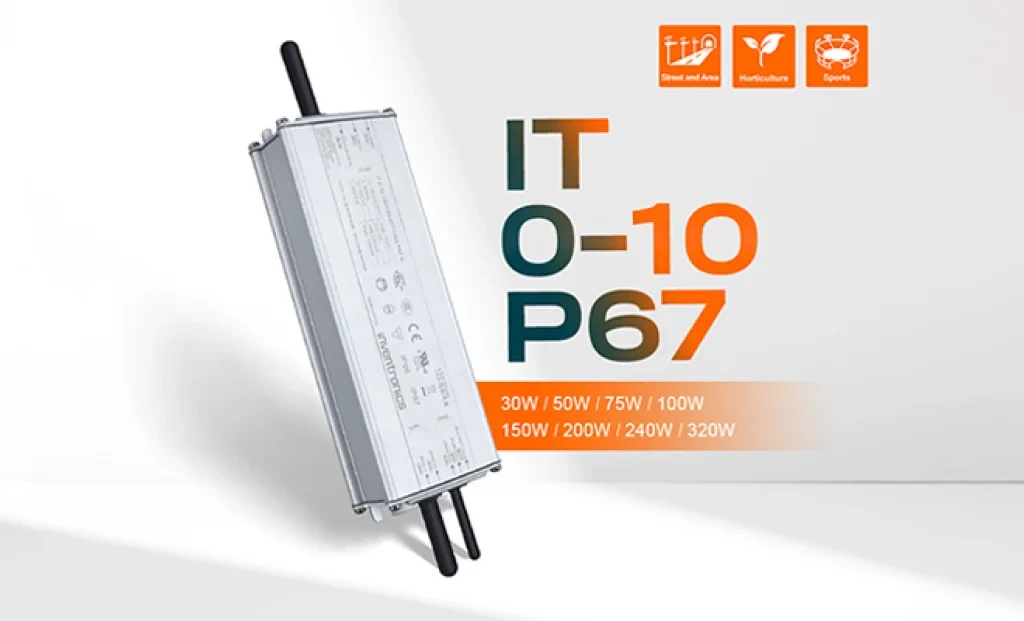
Inventronics has announced two new additions to its outdoor LED driver portfolio: the 150W IT 0-10 150/100-277 P67 and the 240W IT 0-10 240/100-277 P67 programmable drivers. With this new series, the company aims to establish a new benchmark in street and area lighting in terms of performance, efficiency, and durability.
5 kW GaN-Based AC/DC Reference Design from EPC for AI Servers and Data Centers EL SEGUNDO, California — October 2025 — Efficient Power Conversion Corporation (EPC), the world leader in enhancement-mode gallium nitride (eGaN®) power devices, has announced a high-efficiency, high-power-density 5 kW AC-to-48 V DC GaN reference design developed to meet the demands of AI servers and next-generation data center power architectures.
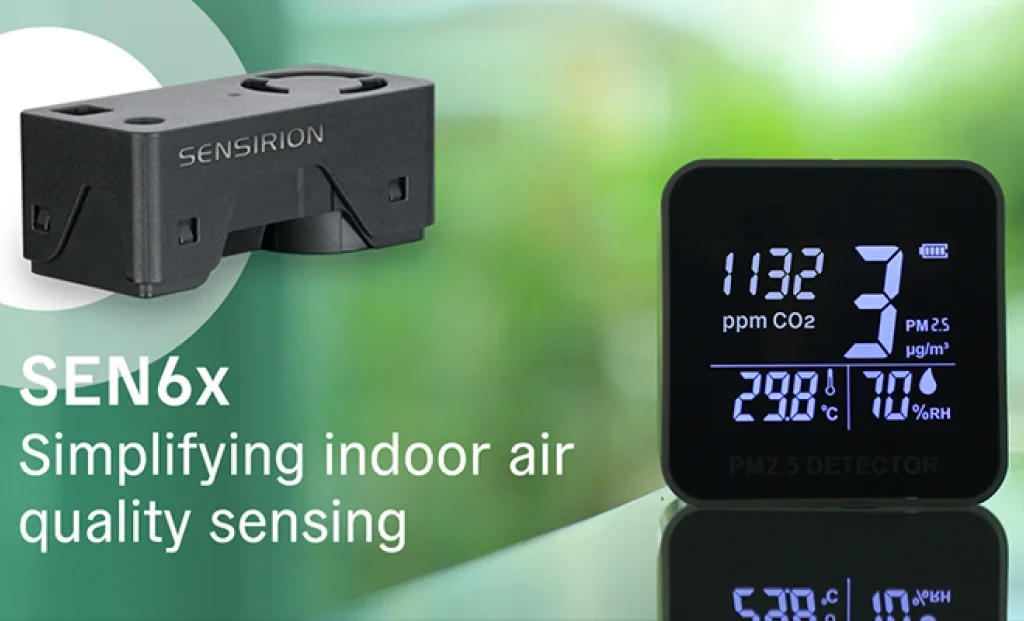
Sensirion has officially announced its next-generation SEN65 and SEN63C sensor platforms, designed to make indoor air quality measurement easier and more accurate than ever before. In addition, the SEK-SEN63C evaluation kit is now available for purchase, enabling developers and system integrators to quickly test and evaluate the new sensor family. Initial orders can be placed immediately.
The long-awaited beta release of Vitis AI 5.1 from AMD has been announced, marking the beginning of a major architectural shift that significantly advances edge AI inference capabilities.
With 44 years of experience, Empa Elektronik, a trusted and pioneering company in the electronic components industry, is set to make transformative investments in the technology ecosystem through its collaboration with Fark Labs, a global innovation and transformation center.
In a comparative study of Auto-ML platforms designed to simplify edge AI deployment, NanoEdge AI Studio and Edge Impulse emerged as leading solutions [1]. The comparison was conducted using multi-sensor biomedical data applied to predictive maintenance use cases.
In shopping malls, galleries, and large-scale commercial spaces, the stability and intelligence of lighting systems are among the most critical factors directly influencing user experience.
 EN − TL
 Türkçe