Voltage is a fundamental concept in electricity and electronics, defined as the electrical potential difference between two points in a circuit. It can also be described as the difference in potential energy that makes electric charges “willing” to move from one point to another. Voltage enables the flow of electric current and is measured in volts (V). Since voltage directly affects power and energy transfer in circuits, evaluating it correctly is essential for both safety and efficiency.
What Is Potential Difference?
Potential difference refers to the electrical potential energy difference that causes electric charges to move between two points. In other words, it is the voltage difference that acts as the energy source driving current through a circuit. This concept is critical for proper circuit operation and for transferring electrical energy effectively.
What Is Electrical Voltage?
Electrical voltage expresses the potential difference between two points in an electrical system. It directs the movement of current and plays a key role in electrical power transmission and control.
Voltage Unit
The standard international unit for voltage is the volt (V), named after Alessandro Volta. The instrument used to measure voltage is called a voltmeter.
Why Is Measuring Voltage Useful?
Measuring voltage helps detect potential faults by verifying whether circuit components operate correctly. It also supports safety protocols, preventing hazards such as electric shock and fire risks. Abnormal voltage readings may indicate defective components or incorrect wiring. Early detection is vital, especially when working with electrical systems.
Electrical Circuit Analysis and the Role of Voltage
Electrical circuit analysis is a critical process used to understand circuit behavior, evaluate performance, and identify potential issues. Key methods include Ohm’s Law, Kirchhoff’s Laws, and Thevenin–Norton Theorems, applicable to both DC and AC circuits. Voltage measurements reveal potential differences and current distribution, allowing engineers and technicians to verify correct circuit operation. These analyses are essential for reliability and energy efficiency.
Electrical Safety Principles Supported by Voltage Measurement
Voltage measurements allow early detection of electrical system failures. If not corrected in time, voltage faults can lead to electric shock, short circuits, or fire hazards. Electrical safety includes preventive measures such as insulation, grounding, and using protection devices like circuit breakers.
Energy Efficiency and the Importance of Voltage Levels
Voltage measurement is widely used to improve energy efficiency. Providing the correct voltage reduces energy losses and allows devices to operate at optimum performance. Maintaining ideal voltage levels increases overall system efficiency and supports energy savings.
Where Is Voltage Used?
Voltage is essential in many real-world applications, including:
Consumer electronics such as computers, TVs, and home appliances that require specific voltage levels.
Power transmission lines, where high voltage reduces energy loss over long distances.
Automotive electrical systems, from motor control to infotainment modules.
Telecommunication systems, supporting signal transmission and stable network connectivity.
Industrial machinery and automation systems, especially in robots, control panels, and manufacturing equipment.
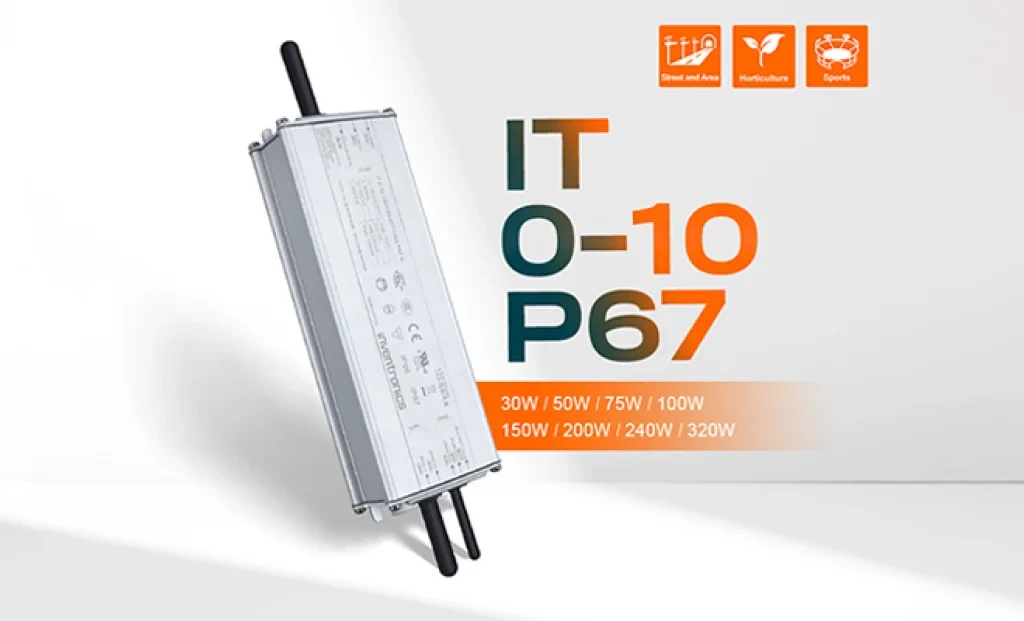
Inventronics has announced two new additions to its outdoor LED driver portfolio: the 150W IT 0-10 150/100-277 P67 and the 240W IT 0-10 240/100-277 P67 programmable drivers. With this new series, the company aims to establish a new benchmark in street and area lighting in terms of performance, efficiency, and durability.
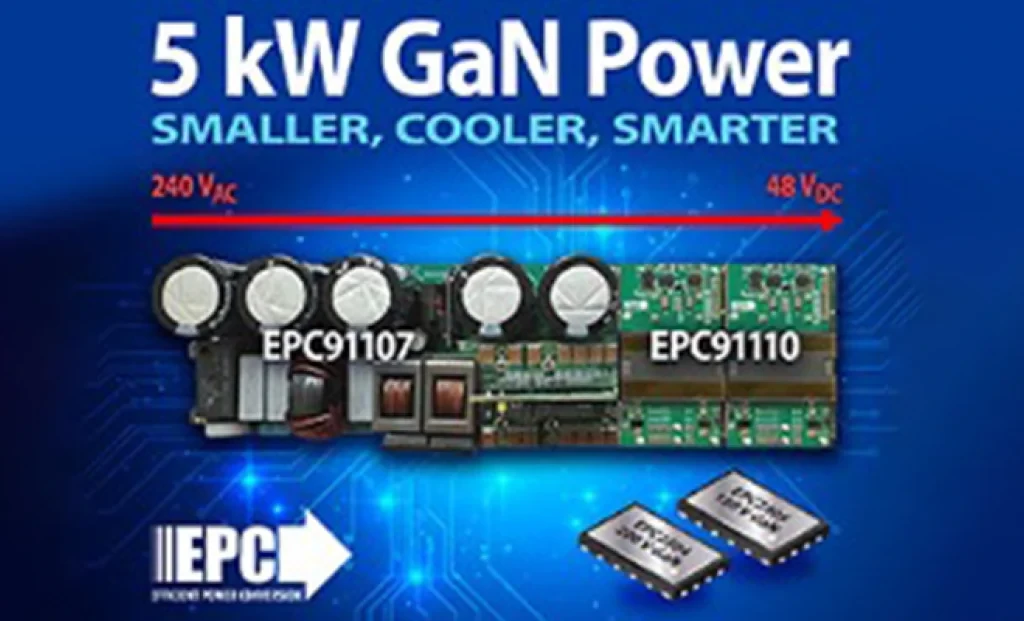
5 kW GaN-Based AC/DC Reference Design from EPC for AI Servers and Data Centers EL SEGUNDO, California — October 2025 — Efficient Power Conversion Corporation (EPC), the world leader in enhancement-mode gallium nitride (eGaN®) power devices, has announced a high-efficiency, high-power-density 5 kW AC-to-48 V DC GaN reference design developed to meet the demands of AI servers and next-generation data center power architectures.
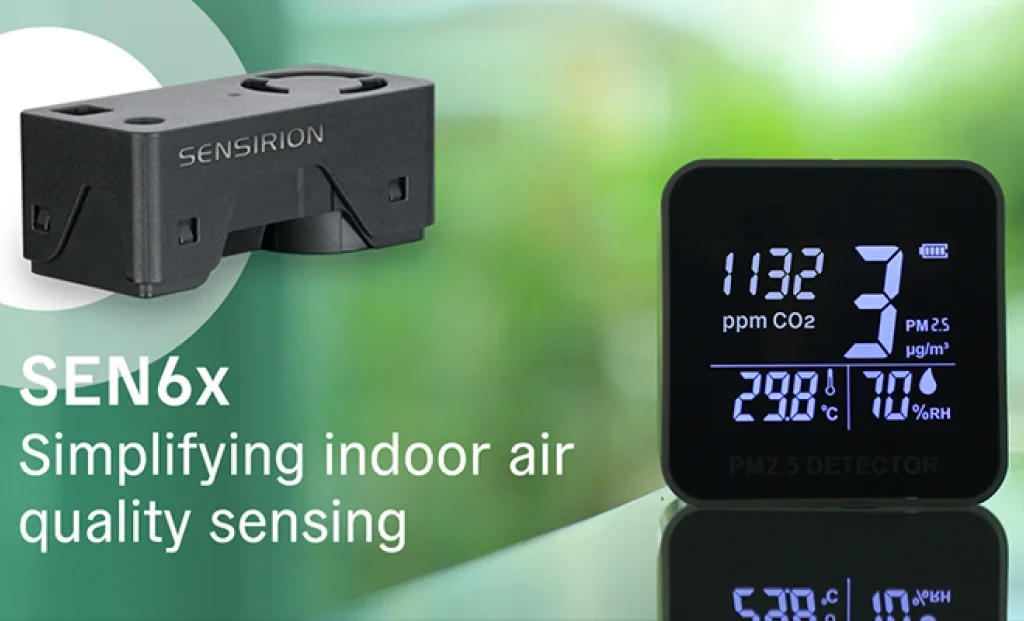
Sensirion has officially announced its next-generation SEN65 and SEN63C sensor platforms, designed to make indoor air quality measurement easier and more accurate than ever before. In addition, the SEK-SEN63C evaluation kit is now available for purchase, enabling developers and system integrators to quickly test and evaluate the new sensor family. Initial orders can be placed immediately.
The long-awaited beta release of Vitis AI 5.1 from AMD has been announced, marking the beginning of a major architectural shift that significantly advances edge AI inference capabilities.
With 44 years of experience, Empa Elektronik, a trusted and pioneering company in the electronic components industry, is set to make transformative investments in the technology ecosystem through its collaboration with Fark Labs, a global innovation and transformation center.
In a comparative study of Auto-ML platforms designed to simplify edge AI deployment, NanoEdge AI Studio and Edge Impulse emerged as leading solutions [1]. The comparison was conducted using multi-sensor biomedical data applied to predictive maintenance use cases.
In shopping malls, galleries, and large-scale commercial spaces, the stability and intelligence of lighting systems are among the most critical factors directly influencing user experience.
 EN − TL
 Türkçe