A soldering iron is a specialized tool used to join electronic circuit components by melting solder and bonding conductive surfaces. It is also used for melting metals for minor welding, repair, or shaping applications. Soldering irons provide high heat rapidly, typically operating between 200–500°C, allowing molten solder or filler metal to flow between surfaces and form a solid electrical or mechanical connection. They are widely used in workshops, electronics labs, industrial maintenance, and household repair tasks.
Types of Soldering Irons
Soldering irons come in multiple designs tailored to different working environments and precision requirements:
Electric Soldering Irons: Powered by electricity, these are easy to operate and most commonly used in homes, workshops, and maker labs.
Gas/Butane Soldering Irons: Fueled by portable gas cartridges, they heat up quickly and are ideal for outdoor soldering or field repair tasks.
Soldering Irons with Fume Extraction: These include or support smoke suction systems to remove soldering fumes for cleaner and safer operation.
Butane/Butane-Powered Models: Wireless and ergonomic, they are compact, portable, and suited for small soldering tasks, DIY kits, and hobby electronics.
Micro/Precision Soldering Irons: Designed for delicate electronics, PCBs, sensors, and small components requiring fine temperature control.
Soldering Iron Kits/Stations: Bundled sets that may include stands, interchangeable tips, solder wire, cleaning sponge, and temperature regulation units.
How to Use a Soldering Iron
Soldering with a soldering iron is straightforward, but achieving a reliable joint requires proper technique:
Surface Preparation: Ensure the soldering area is clean and free from oxidation, grease, or residue.
Tip Cleaning & Tinning: Clean the iron tip and apply a thin layer of solder (tinning) to improve heat transfer.
Heating the Joint, Not the Solder: Apply heat directly to the metal/component pad until it reaches solder melting temperature.
Apply Solder After the Surface Is Hot: Feed solder into the heated joint, letting it melt and flow naturally.
Hold Components Still Until Solidified: Avoid movement while the solder cools to ensure a strong and conductive joint.
Key Factors When Choosing a Soldering Iron
To select the right soldering iron for your project, consider:
Power Rating (Wattage): Higher wattage = faster heating and better performance on large metal joints.
Temperature Control: Required for sensitive electronics to prevent component damage.
Portability: Gas/butane models are ideal for fieldwork and multi-project use.
Safety & Build Quality: Auto shut-off and heat-stable housings improve safety in long sessions.
Material Compatibility: Tips and heating range should support your solder type and surface.
Budget & Performance Balance: Price varies by type, temperature stability, supplier, and durability.
What Can You Do with a Soldering Iron?
Soldering irons are used for:
PCB & sensor soldering
Electronic prototyping (e.g., breadboards and robotics kits)
Cable repair and conductive bonding
Metal part joining and minor welding
Industrial maintenance and equipment repair
Electrical shaping and household fixes
Wood-burning and plastic-melting (on specific compatible models)
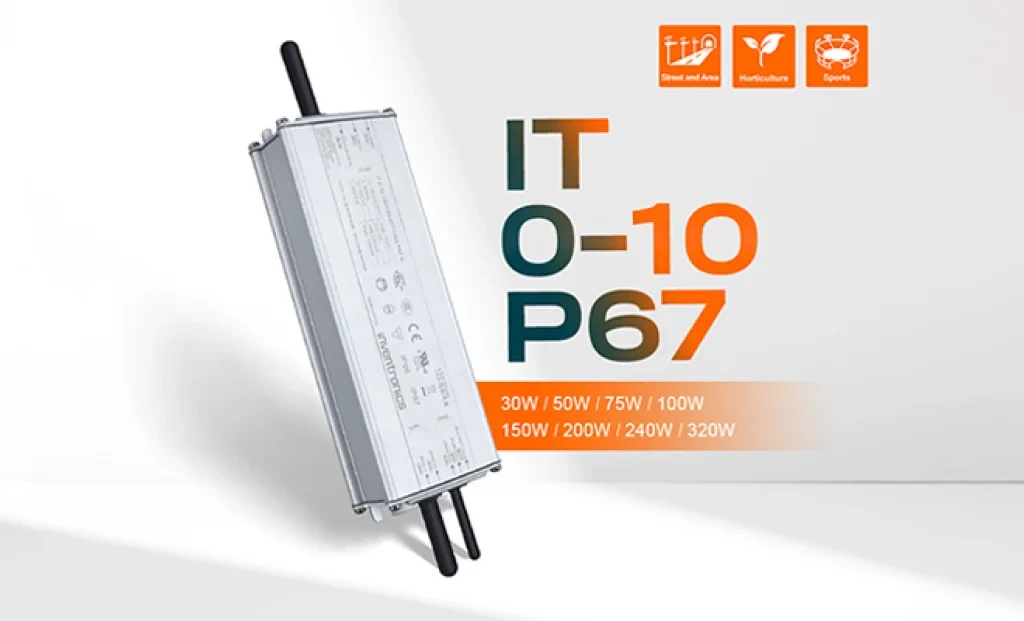
Inventronics has announced two new additions to its outdoor LED driver portfolio: the 150W IT 0-10 150/100-277 P67 and the 240W IT 0-10 240/100-277 P67 programmable drivers. With this new series, the company aims to establish a new benchmark in street and area lighting in terms of performance, efficiency, and durability.
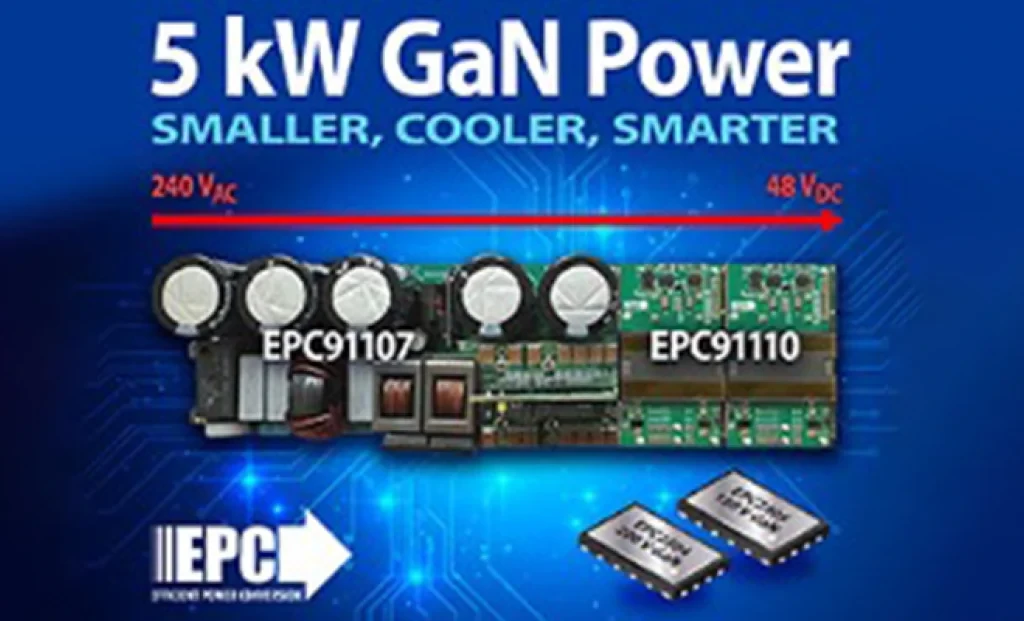
5 kW GaN-Based AC/DC Reference Design from EPC for AI Servers and Data Centers EL SEGUNDO, California — October 2025 — Efficient Power Conversion Corporation (EPC), the world leader in enhancement-mode gallium nitride (eGaN®) power devices, has announced a high-efficiency, high-power-density 5 kW AC-to-48 V DC GaN reference design developed to meet the demands of AI servers and next-generation data center power architectures.
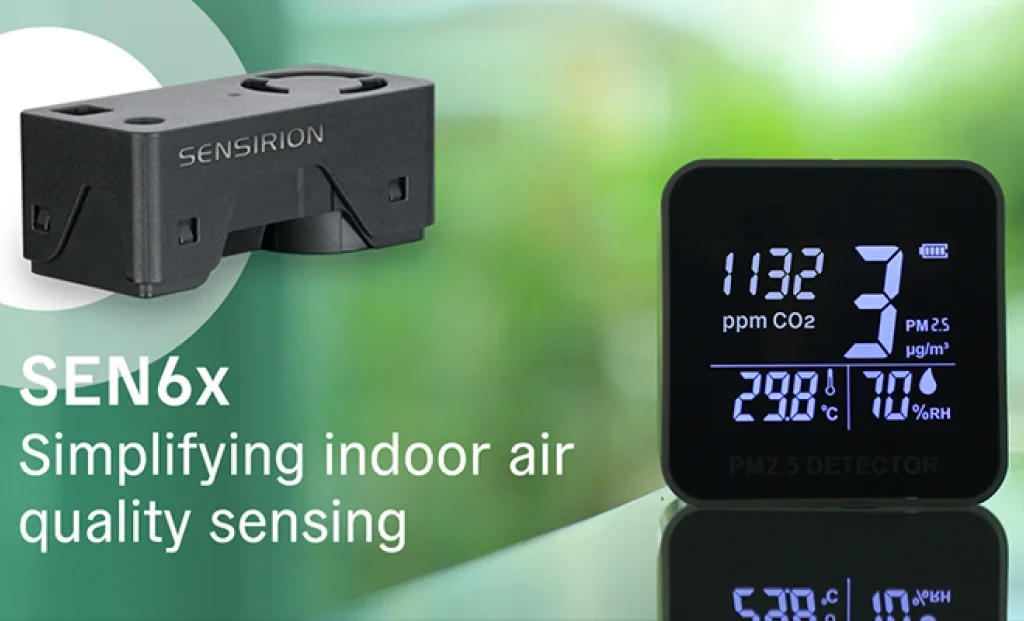
Sensirion has officially announced its next-generation SEN65 and SEN63C sensor platforms, designed to make indoor air quality measurement easier and more accurate than ever before. In addition, the SEK-SEN63C evaluation kit is now available for purchase, enabling developers and system integrators to quickly test and evaluate the new sensor family. Initial orders can be placed immediately.
The long-awaited beta release of Vitis AI 5.1 from AMD has been announced, marking the beginning of a major architectural shift that significantly advances edge AI inference capabilities.
With 44 years of experience, Empa Elektronik, a trusted and pioneering company in the electronic components industry, is set to make transformative investments in the technology ecosystem through its collaboration with Fark Labs, a global innovation and transformation center.
In a comparative study of Auto-ML platforms designed to simplify edge AI deployment, NanoEdge AI Studio and Edge Impulse emerged as leading solutions [1]. The comparison was conducted using multi-sensor biomedical data applied to predictive maintenance use cases.
In shopping malls, galleries, and large-scale commercial spaces, the stability and intelligence of lighting systems are among the most critical factors directly influencing user experience.
 EN − TL
 Türkçe