A short circuit occurs when two or more points with different voltage levels accidentally come into direct contact in an electrical circuit. It is a serious fault condition that can cause negative and hazardous consequences in electrical systems. All essential details about short circuits can be found in the rest of this article.
How Does a Short Circuit Happen?
A short circuit is formed when phase (live) conductors accidentally touch each other, or when the insulation between phase conductors and ground breaks down or becomes punctured. Even when the switch is in the OFF position, voltage attempts to reach the load, and insulation failure during this process leads to a short circuit.
Why Do Short Circuits Occur?
Short circuit faults may result from both internal and external factors.
Internal causes include transmission line failures, worn insulation, damaged insulation on electrical equipment, incorrect installation, or faulty neutral-to-phase contact due to poor or outdated insulation and improper mounting.
External causes include equipment overload, insulation failure due to voltage fluctuations, physical damage caused by users, and severe weather conditions.
How to Detect a Short Circuit and Perform Checks
Short circuit detection involves basic inspection and measurement steps:
Physical signs include burnt or melted metal, burning smell, or damaged insulation. These usually indicate that components or cables must be replaced.
Multimeter measurements: If measured voltage or current values are abnormally low or high compared to expected circuit ratings, a short circuit is a strong possibility. In such cases, the circuit should undergo detailed inspection by a qualified professional.
How to Fix a Short Circuit
To correct a short circuit:
Disconnect power from the circuit.
Inspect components, cables, and connection points in detail.
Replace faulty parts if necessary.
During multimeter inspection, verify whether exposed copper tips or uninsulated wire ends caused unintended contact.
If no damage is found, re-fasten cables securely and reactivate the circuit.
Why Are Short Circuits Dangerous?
Short circuits can lead to highly dangerous outcomes:
Electrical shock: Touching a live circuit during a short circuit event can result in serious electric shock.
Fire hazard: High fault current may melt plastic insulation and ignite flammable materials such as wood or fabric. These risks can cause severe, unwanted, and life-threatening consequences.
What Are the Types of Short Circuits?
Normal Short Circuit: Occurs when a current-carrying conductor touches a neutral conductor or another live conductor.
Ground-Related Short Circuit: Occurs when a live conductor contacts grounded elements such as an exposed grounding wire or a grounded metal wall box.
Symmetrical (Balanced) Short Circuit: Occurs simultaneously across all three phases. This type can cause major damage.
Asymmetrical (Unbalanced) Short Circuit: Occurs when the fault current waveform is asymmetrical relative to the zero axis. This is the most common fault type seen in industrial control systems.
Effective Methods to Prevent Short Circuits
Short circuit prevention is vital. The most effective methods include:
Inspecting cable exits, loose terminals, outdated insulation, faulty wiring, worn outlets, and improper installation.
Operating electrical equipment carefully to prevent installation and wiring faults.
Limiting electrical load during storms, rain, snow, or lightning events.
Using circuit breakers that automatically cut power during abnormal currents and checking breakers periodically.
Ensuring electrical panels and boards are maintained without delays.
Scheduling professional electrical inspections at least once per year.
Empa Store provides solutions for multiple electronic and electrical needs. As the official distributor for many global brands in Türkiye, Empa Store stands out with its wide product range. You can also review models at empa store’s online shop to fulfill your project requirements.
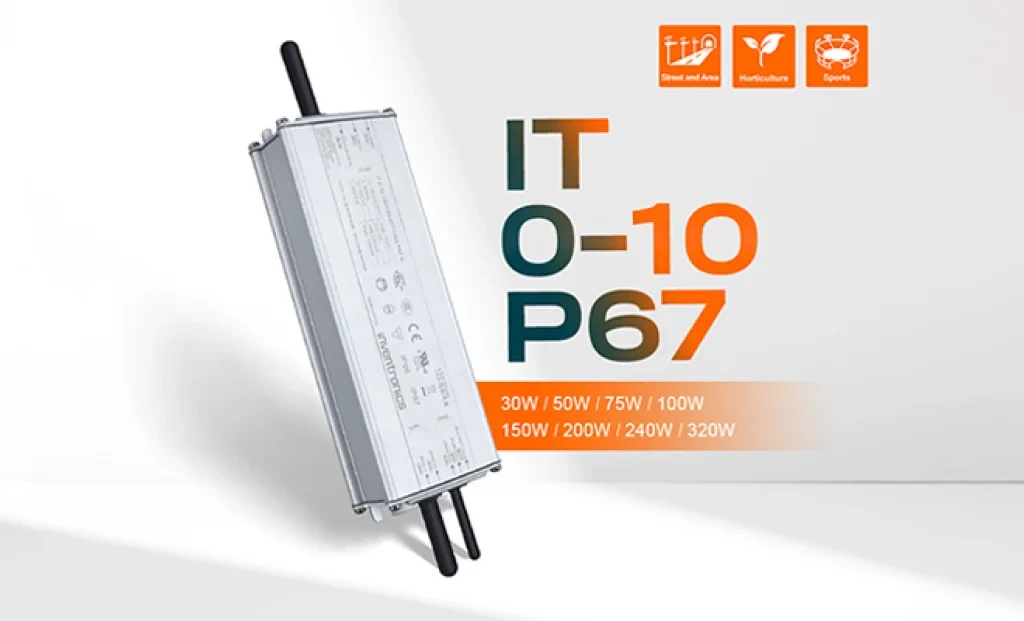
Inventronics has announced two new additions to its outdoor LED driver portfolio: the 150W IT 0-10 150/100-277 P67 and the 240W IT 0-10 240/100-277 P67 programmable drivers. With this new series, the company aims to establish a new benchmark in street and area lighting in terms of performance, efficiency, and durability.
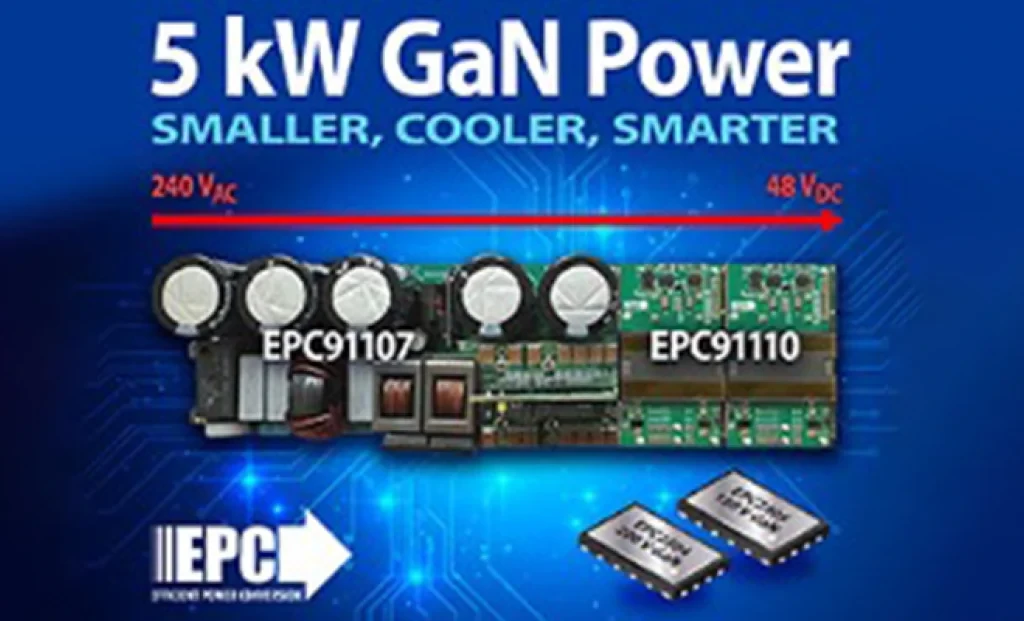
5 kW GaN-Based AC/DC Reference Design from EPC for AI Servers and Data Centers EL SEGUNDO, California — October 2025 — Efficient Power Conversion Corporation (EPC), the world leader in enhancement-mode gallium nitride (eGaN®) power devices, has announced a high-efficiency, high-power-density 5 kW AC-to-48 V DC GaN reference design developed to meet the demands of AI servers and next-generation data center power architectures.
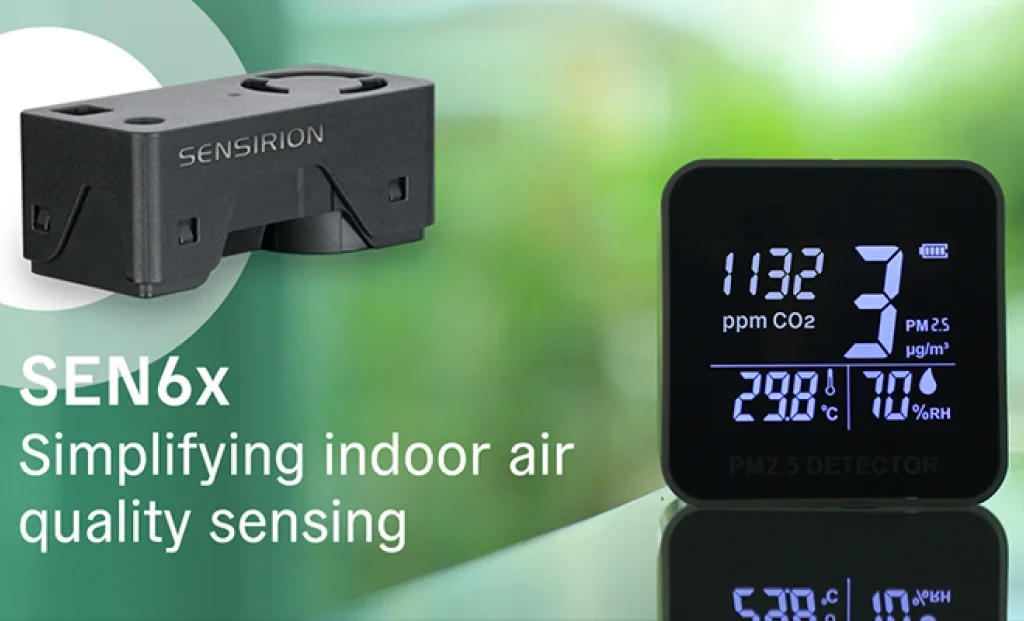
Sensirion has officially announced its next-generation SEN65 and SEN63C sensor platforms, designed to make indoor air quality measurement easier and more accurate than ever before. In addition, the SEK-SEN63C evaluation kit is now available for purchase, enabling developers and system integrators to quickly test and evaluate the new sensor family. Initial orders can be placed immediately.
The long-awaited beta release of Vitis AI 5.1 from AMD has been announced, marking the beginning of a major architectural shift that significantly advances edge AI inference capabilities.
With 44 years of experience, Empa Elektronik, a trusted and pioneering company in the electronic components industry, is set to make transformative investments in the technology ecosystem through its collaboration with Fark Labs, a global innovation and transformation center.
In a comparative study of Auto-ML platforms designed to simplify edge AI deployment, NanoEdge AI Studio and Edge Impulse emerged as leading solutions [1]. The comparison was conducted using multi-sensor biomedical data applied to predictive maintenance use cases.
In shopping malls, galleries, and large-scale commercial spaces, the stability and intelligence of lighting systems are among the most critical factors directly influencing user experience.
 EN − TL
 Türkçe