Oscilloscopes, used across fields from engineering to medical applications, were first produced for laboratory use following the development of cathode ray tubes in the 1920s. While analog models containing cathode ray tubes, magnets, and deflection coils were used for many years, today oscilloscopes that can connect to computers are widely used.
What Is an Oscilloscope? What Does It Do?
Oscilloscopes are devices that measure the change of electrical voltage in a circuit over time and display it graphically. When measuring a signal, a voltmeter may come to mind first, but oscilloscopes not only show magnitude and direction, they also display how voltage changes over time—on a graph with X and Y axes.
The horizontal axis (X) represents time, while the vertical axis (Y) represents signal intensity. This allows electrical signals to be displayed clearly and accurately in real time.
What Are the Types of Oscilloscopes?
Oscilloscopes are mainly divided into analog and digital (modern) oscilloscopes:
Analog Oscilloscopes
These contain cathode ray tubes and electron beam deflection coils. The measured electrical signals are projected onto the screen graphically, similar to old tube televisions. They display voltage in real time.
Digital Oscilloscopes
These replace analog models and offer more advanced measurement capabilities. They digitally capture circuit signals, store measurements in memory, process them, and display them graphically. They offer higher accuracy than analog models and allow recordings to be saved and compared.
Most digital oscilloscopes use LCD or TFT screens, while USB oscillilloscopes may not contain a built-in screen but exchange data directly with computers, making them highly practical.
What Does an Oscilloscope Measure?
Oscilloscopes provide multiple key data points from a connected circuit, including:
Voltage measurement (max, min, average)
Current measurement
Rise and fall time
Waveform display
Period and frequency
Phase difference
How Are Oscilloscopes Used?
Oscilloscope buttons and settings help optimize the signal display. The key settings include:
Volts/Div: Determines how many volts each vertical square represents.
Secs/Div: Determines how much time each horizontal square represents (seconds, milliseconds, microseconds, etc.).
Additional settings: AC/DC coupling, position alignment, trigger levels, etc.
How Is an Oscilloscope Connected to a Circuit?
Oscilloscopes must be connected in parallel, not in series, due to their high internal resistance. If connected in series, they block current and prevent measurement.
Probes, usually connected using BNC connectors, allow for safe and stable signal measurement.
What to Consider When Buying an Oscilloscope
The key factors include:
Purpose of use (professional or hobby)
Measurement sensitivity and capability
Budget alignment
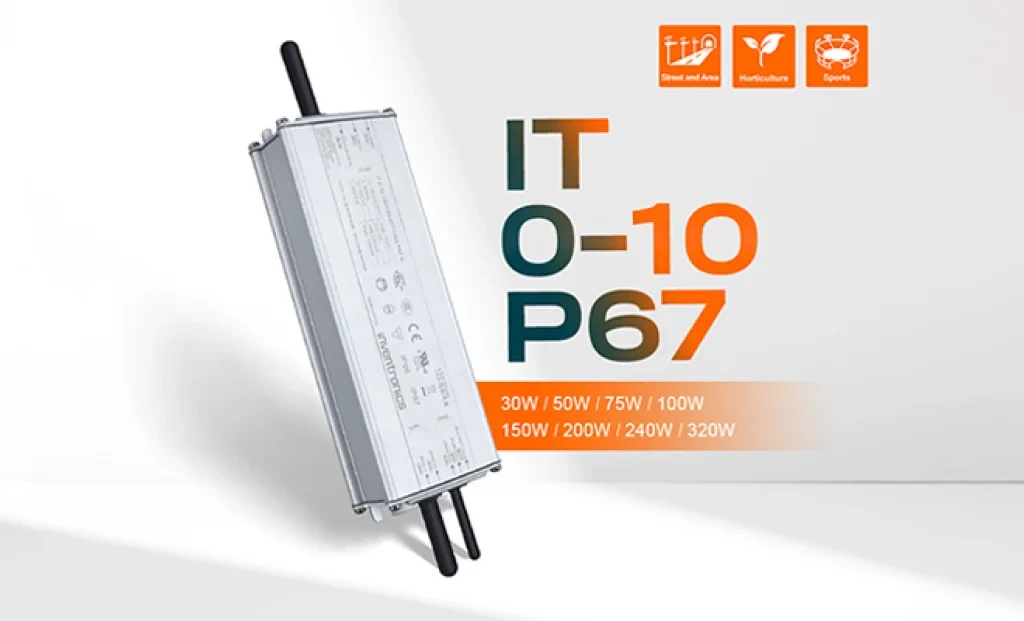
Inventronics has announced two new additions to its outdoor LED driver portfolio: the 150W IT 0-10 150/100-277 P67 and the 240W IT 0-10 240/100-277 P67 programmable drivers. With this new series, the company aims to establish a new benchmark in street and area lighting in terms of performance, efficiency, and durability.
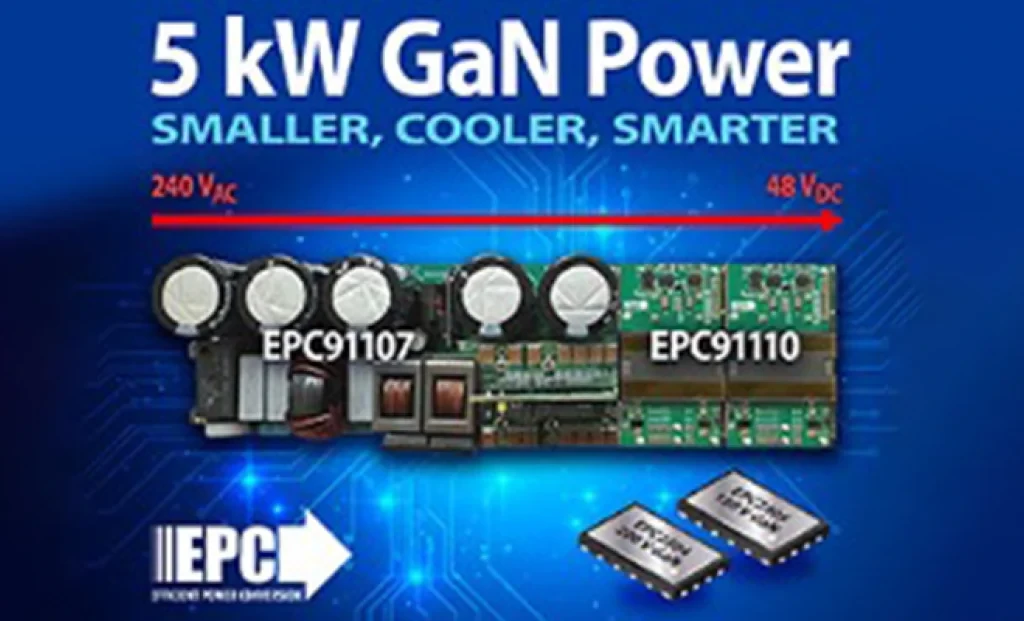
5 kW GaN-Based AC/DC Reference Design from EPC for AI Servers and Data Centers EL SEGUNDO, California — October 2025 — Efficient Power Conversion Corporation (EPC), the world leader in enhancement-mode gallium nitride (eGaN®) power devices, has announced a high-efficiency, high-power-density 5 kW AC-to-48 V DC GaN reference design developed to meet the demands of AI servers and next-generation data center power architectures.
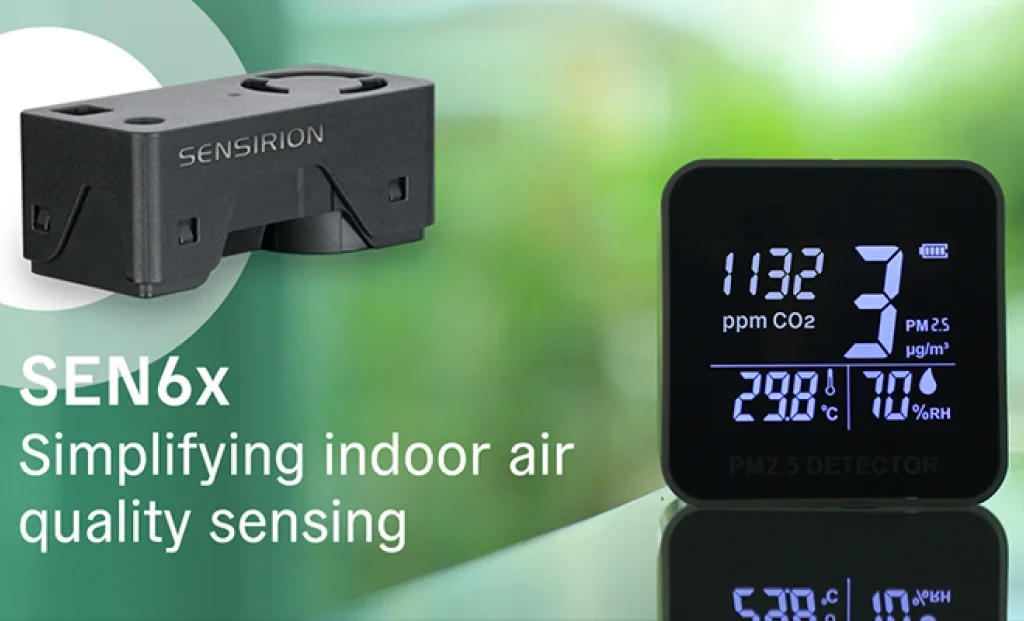
Sensirion has officially announced its next-generation SEN65 and SEN63C sensor platforms, designed to make indoor air quality measurement easier and more accurate than ever before. In addition, the SEK-SEN63C evaluation kit is now available for purchase, enabling developers and system integrators to quickly test and evaluate the new sensor family. Initial orders can be placed immediately.
The long-awaited beta release of Vitis AI 5.1 from AMD has been announced, marking the beginning of a major architectural shift that significantly advances edge AI inference capabilities.
With 44 years of experience, Empa Elektronik, a trusted and pioneering company in the electronic components industry, is set to make transformative investments in the technology ecosystem through its collaboration with Fark Labs, a global innovation and transformation center.
In a comparative study of Auto-ML platforms designed to simplify edge AI deployment, NanoEdge AI Studio and Edge Impulse emerged as leading solutions [1]. The comparison was conducted using multi-sensor biomedical data applied to predictive maintenance use cases.
In shopping malls, galleries, and large-scale commercial spaces, the stability and intelligence of lighting systems are among the most critical factors directly influencing user experience.
 EN − TL
 Türkçe