NFC, short for Near Field Communication (Yakın Alan İletişimi), is a next-generation wireless communication technology. NFC enables wireless communication between two electronic devices and typically operates at a maximum distance of 4 cm. In other words, for two devices to communicate using NFC, they must be positioned no more than 4 cm apart. NFC is an advanced version of RFID technology and operates using 13.56 MHz radio waves. The most common use cases for NFC include payment terminals, ticketing systems, and smartphones. Additional details about NFC can be found in the rest of the content.
What Does NFC Technology Do?
NFC simplifies many daily operations and is most commonly used for contactless payments, file sharing, ticket validation, and identity authentication. Its main use cases include:
Making contactless payments in seconds by holding a smartphone close to a payment terminal.
Transferring files such as photos, videos, and documents between two smartphones within seconds using NFC.
Validating tickets for public transport or using digital event tickets by holding a smartphone near a reader.
Performing secure identity authentication and access-control operations.
How to Enable NFC
NFC can be enabled in just a few steps on most modern smartphones. On Android devices, open the Settings app, tap Connections/Wireless Networks, then select NFC (or NFC Payments on some devices) and toggle Enable NFC. On iPhone devices, NFC is enabled by default, so no additional action is required.
How to Use NFC Technology
To use NFC, first ensure the feature is active. To make a payment or validate identity, hold the phone within 4 cm of the reader. To share files between phones, the devices must touch, and the transfer request must be confirmed on the screen.
Where Can NFC Be Used?
NFC supports a wide range of applications, including:
Using a smartphone as a bank card, ticket, or discount coupon.
Controlling lights, blinds, and temperature in smart-home environments.
Managing patient identification, device tracking, and staff authentication in healthcare.
Enabling keyless entry in hotels and secure access systems.
Supporting inventory tracking and embedded-device communication via bidirectional data exchange.
Example Product:
STM32 NFC / RFID Development Kit X-NUCLEO-NFC02A1
Is NFC Secure?
NFC operates at a very short range, making it generally secure. Each transaction generates a unique encrypted code. However, if a phone falls into the wrong hands, unauthorized usage is possible. To prevent this, biometric authentication such as fingerprint or face ID is recommended.
Do All Smartphones Have NFC?
Not all smartphones include NFC, but most mid-to-high-range Android and iOS devices support it. To check, go to Settings → Connections/Wireless Networks.
Differences Between NFC and RFID
Although NFC and RFID share similar principles, they differ mainly in communication distance. NFC works at a maximum of 4 cm, while RFID can operate at distances up to 1 meter. Additionally, NFC supports bidirectional communication, whereas RFID is typically unidirectional and is commonly used for inventory tracking. NFC also offers stronger encryption, making it more secure for personal and industrial use.
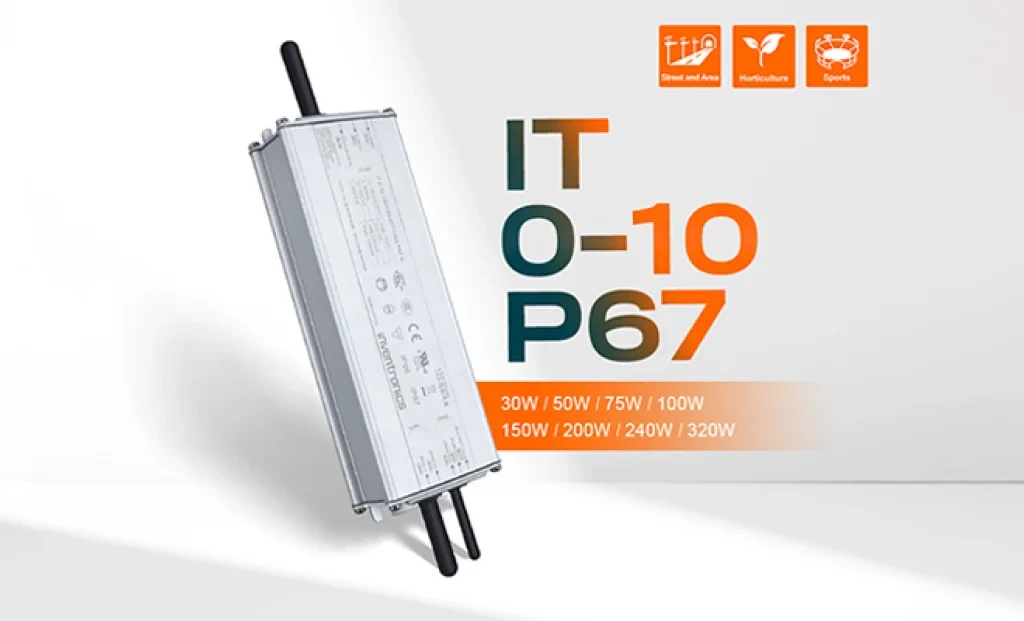
Inventronics has announced two new additions to its outdoor LED driver portfolio: the 150W IT 0-10 150/100-277 P67 and the 240W IT 0-10 240/100-277 P67 programmable drivers. With this new series, the company aims to establish a new benchmark in street and area lighting in terms of performance, efficiency, and durability.
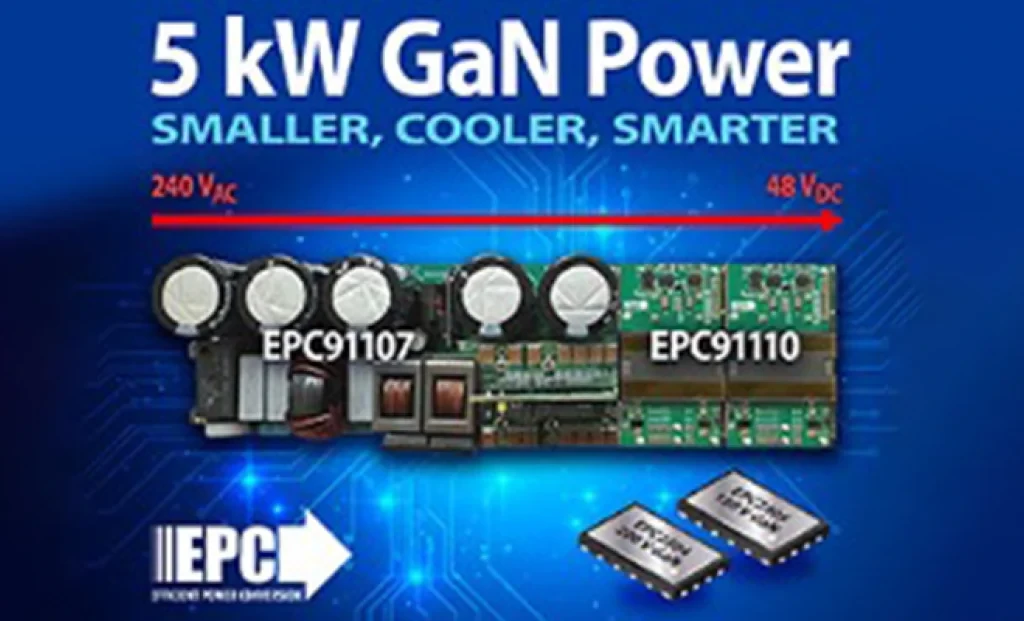
5 kW GaN-Based AC/DC Reference Design from EPC for AI Servers and Data Centers EL SEGUNDO, California — October 2025 — Efficient Power Conversion Corporation (EPC), the world leader in enhancement-mode gallium nitride (eGaN®) power devices, has announced a high-efficiency, high-power-density 5 kW AC-to-48 V DC GaN reference design developed to meet the demands of AI servers and next-generation data center power architectures.
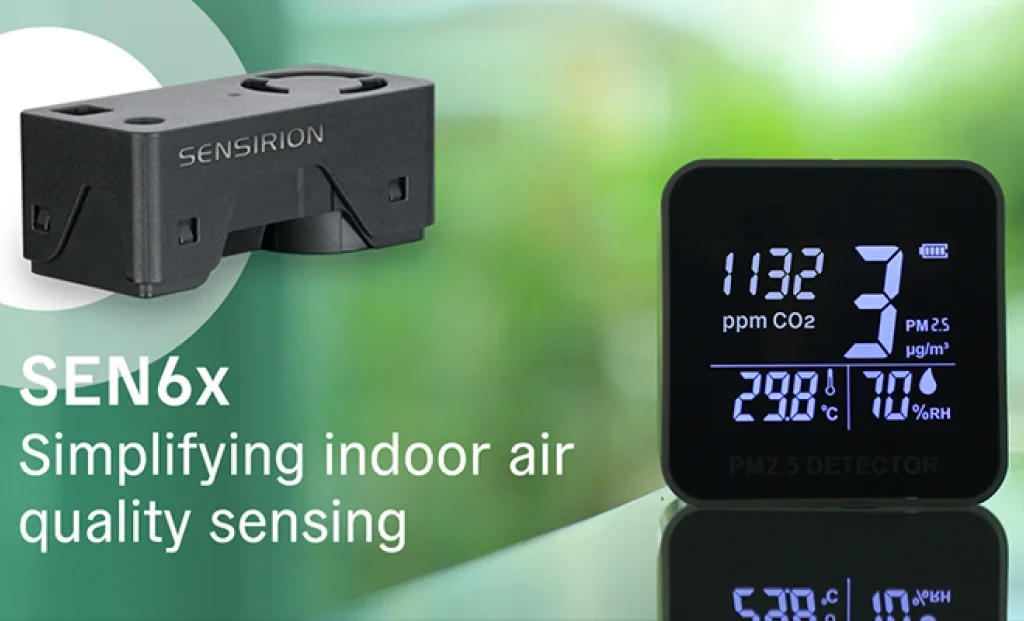
Sensirion has officially announced its next-generation SEN65 and SEN63C sensor platforms, designed to make indoor air quality measurement easier and more accurate than ever before. In addition, the SEK-SEN63C evaluation kit is now available for purchase, enabling developers and system integrators to quickly test and evaluate the new sensor family. Initial orders can be placed immediately.
The long-awaited beta release of Vitis AI 5.1 from AMD has been announced, marking the beginning of a major architectural shift that significantly advances edge AI inference capabilities.
With 44 years of experience, Empa Elektronik, a trusted and pioneering company in the electronic components industry, is set to make transformative investments in the technology ecosystem through its collaboration with Fark Labs, a global innovation and transformation center.
In a comparative study of Auto-ML platforms designed to simplify edge AI deployment, NanoEdge AI Studio and Edge Impulse emerged as leading solutions [1]. The comparison was conducted using multi-sensor biomedical data applied to predictive maintenance use cases.
In shopping malls, galleries, and large-scale commercial spaces, the stability and intelligence of lighting systems are among the most critical factors directly influencing user experience.
 EN − TL
 Türkçe