Lithium Polymer batteries are commonly referred to as LiPo batteries. LiPo batteries operate using gel polymer electrolyte instead of liquid electrolyte, making them rechargeable thanks to lithium-ion technology. Compared to other lithium battery types, LiPo models provide higher specific energy, enabling wide adoption across portable electronics and electromechanical prototyping projects. Detailed information regarding LiPo battery structure, advantages, usage areas, and safety considerations can be found in the rest of this article.
Where Are LiPo Batteries Used?
LiPo batteries are widely used in applications requiring portable and high-efficiency power sources, including:
Radio-controlled (RC) devices and model vehicles
Portable electronics such as music players, smartphones, tablets, and integrated automation peripherals
Microcontroller projects including Arduino and Raspberry Pi robotics, sensor interfacing, and automation prototyping
Motion-tracking robotics, CNC-supported electromechanical systems, and experimental board circuits
LiPo batteries support stable power delivery even in industrial-grade or multi-sensor electronic experiments.
What Are the Types of LiPo Batteries?
LiPo batteries are classified based on cell count. Each cell is represented by the symbol “S” (Series):
1S, 2S, 3S, 4S, 5S, 6S
Each 1S cell has a nominal voltage of 3.7 V.
Example: A 4S LiPo battery = 3.7 × 4 = 14.8 V
Capacity is expressed using “C rating”, which defines the maximum safe discharge current relative to capacity. The C rating and cell count must be selected based on project current demand and motor or circuit requirements.
How to Charge a LiPo Battery
LiPo batteries must be charged using specialized chargers instead of standard power supplies. Chargers use a balancer (balancing circuit) to equalize voltage across cells for safety. Charging should be performed inside flame-resistant LiPo safety bags to prevent ignition risks. Additional charging rules:
Do not discharge below 3.5 V per cell
Maintain 3.0 V – 4.20 V per cell for safe operation
Over-voltage above 4.20 V or under-voltage below 3.0 V can reduce battery life and cause safety hazards
How to Store a LiPo Battery
LiPo batteries must be stored inside flame-resistant bags made of non-combustible materials to ensure long-term safety. These storage bags preserve efficiency and provide superior protection if a fault condition occurs.
What Are the Advantages of Using a LiPo Battery?
LiPo batteries offer multiple advantages:
High energy density for optimized performance
Low internal resistance to extend standby time and efficiency
Customizable physical form factors
Low self-discharge rates
Long operational life
No toxic metals such as cadmium, lead, or mercury
Lightweight and portable for electromechanical integration
Key Safety Considerations When Using LiPo Batteries
Do not short the cable tips, as this may cause short circuit and ignition risk
Never open the battery housing, as internal chemical exposure can be dangerous
Prevent water contact for safety
Use LiPo-compatible smart chargers to prevent swelling or ignition
Maintaining safe voltage per cell extends battery life and prevents fire hazards.
Why Is Safe LiPo Battery Usage Critically Important?
Safe LiPo battery usage prevents:
Battery swelling
Internal component ignition
Cable shorting
Electromechanical device faults
Fire hazards
Therefore, LiPo safety practices are essential for life safety and device durability.
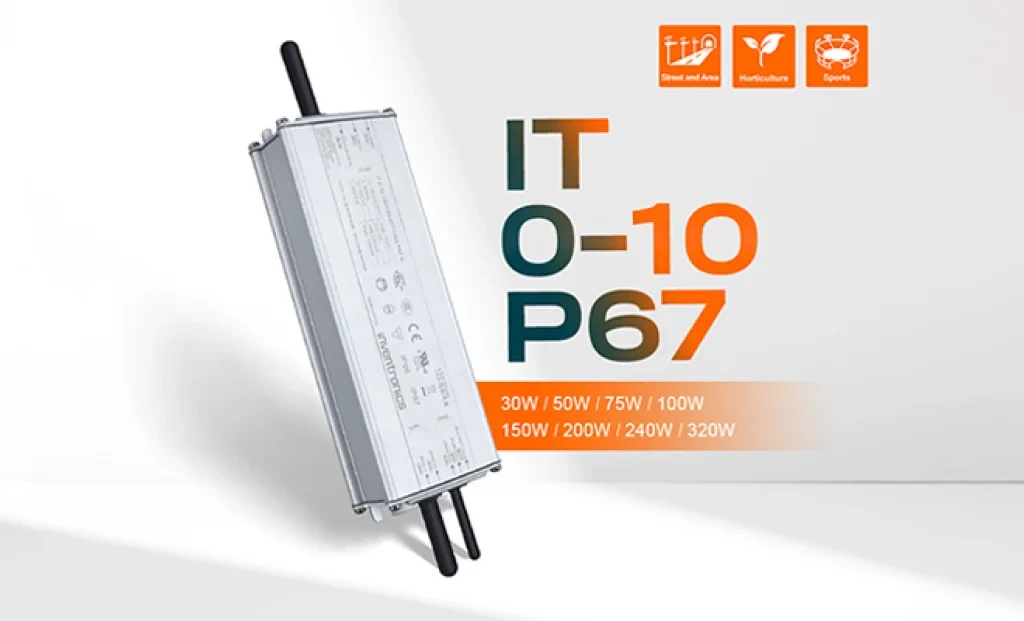
Inventronics has announced two new additions to its outdoor LED driver portfolio: the 150W IT 0-10 150/100-277 P67 and the 240W IT 0-10 240/100-277 P67 programmable drivers. With this new series, the company aims to establish a new benchmark in street and area lighting in terms of performance, efficiency, and durability.
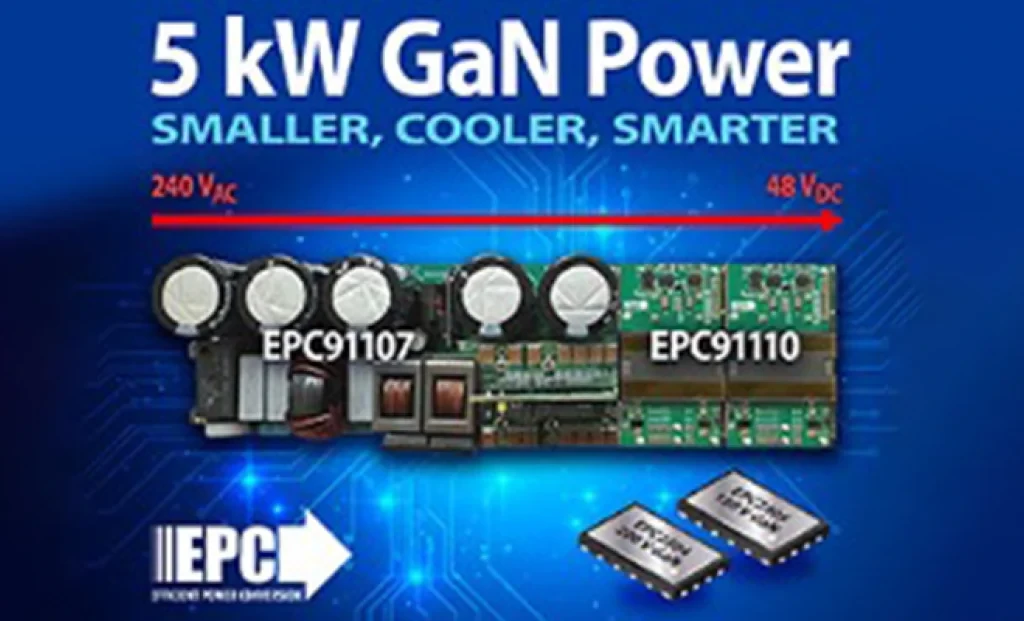
5 kW GaN-Based AC/DC Reference Design from EPC for AI Servers and Data Centers EL SEGUNDO, California — October 2025 — Efficient Power Conversion Corporation (EPC), the world leader in enhancement-mode gallium nitride (eGaN®) power devices, has announced a high-efficiency, high-power-density 5 kW AC-to-48 V DC GaN reference design developed to meet the demands of AI servers and next-generation data center power architectures.
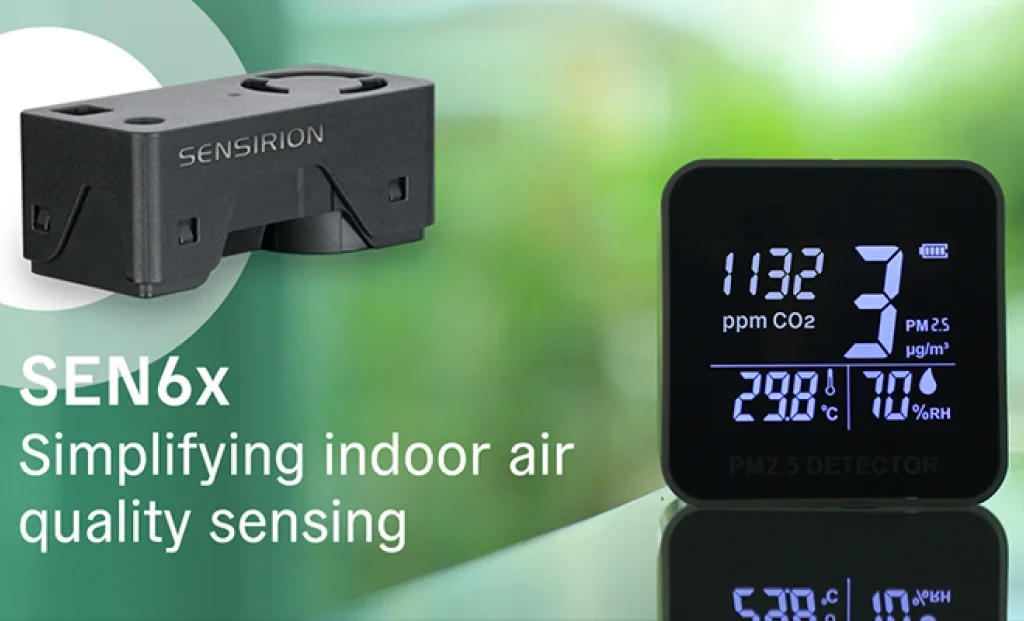
Sensirion has officially announced its next-generation SEN65 and SEN63C sensor platforms, designed to make indoor air quality measurement easier and more accurate than ever before. In addition, the SEK-SEN63C evaluation kit is now available for purchase, enabling developers and system integrators to quickly test and evaluate the new sensor family. Initial orders can be placed immediately.
The long-awaited beta release of Vitis AI 5.1 from AMD has been announced, marking the beginning of a major architectural shift that significantly advances edge AI inference capabilities.
With 44 years of experience, Empa Elektronik, a trusted and pioneering company in the electronic components industry, is set to make transformative investments in the technology ecosystem through its collaboration with Fark Labs, a global innovation and transformation center.
In a comparative study of Auto-ML platforms designed to simplify edge AI deployment, NanoEdge AI Studio and Edge Impulse emerged as leading solutions [1]. The comparison was conducted using multi-sensor biomedical data applied to predictive maintenance use cases.
In shopping malls, galleries, and large-scale commercial spaces, the stability and intelligence of lighting systems are among the most critical factors directly influencing user experience.
 EN − TL
 Türkçe