The Industrial Internet of Things (IIoT) refers to a network of smart, internet-connected sensors, machines, and embedded systems that collect, monitor, and analyze real-time data in industrial environments. Unlike consumer IoT, IIoT systems are designed for mission-critical operations, supporting high uptime, low-latency communication, device interoperability, automation, predictive analytics, and industrial-grade security frameworks.
IIoT platforms integrate operational technology (OT) with cloud infrastructure and AI-driven decision layers, enabling scalable industrial intelligence. These systems range from environmental micro-sensors to autonomous robotics, smart meters, industrial gateways, and edge AI computing units.
Key sectors adopting IIoT include energy generation, manufacturing, agriculture, automotive production, logistics, lighting systems, defense technologies, and gas/water flow metering.
Difference Between IoT vs IIoT
IoT IIoT
Consumer-focused Industry-focused
Prioritizes convenience Prioritizes reliability and uptime
Uses moderate security Requires ISO, ASIL, encryption, zero-trust, secure boot
Wi-Fi, BLE, wearables, smart home Edge AI, mesh networks, gateways, PLCs, robotics
Example: smart thermostats, fitness trackers Example: factories, OBC systems, ADAS/DMS, smart grids, ultrasonic meters
IIoT Use Cases & Benefits
Predictive maintenance using machine-generated sensor data (e.g., robotic arms, conveyor lines)
Diagnostics over I²C/UART/SPI sensor networks
Secure multi-protocol mesh communication (Zigbee 3.0, BLE 5.3, Thread, DALI, DALI Data)
Hardware-accelerated inference on adaptive SoCs and edge computing units
Load balancing in smart grids via connected metering (electricity, gas, water, flow converters)
Route and environmental optimization in logistics and fleet tracking
Far-field sensing in safety-critical systems (Radar, LiDAR, camera-based DMS/DMS by-wire)
Agricultural sensing automation (soil moisture, salinity, pollution, temperature, humidity)
Core advantages:
Faster analytics by collecting real-world data from humans and machines
20-year battery life possible in ultra-low-power AFE-based ultrasonic metering
7/24 automation enablement for “dark factories”
High-node mesh scalability for distributed industrial deployments
Lower operating cost via intelligent anomaly classification and inference
Future of IIoT (2026–2030 Outlook)
Autonomous safety monitoring mandated by evolving Euro NCAP 26–28 standards
Zero-human dark factory automation
Edge AI-driven driver & occupant monitoring (DMS/DOS)
Hybrid FPGA + CPU + AI compute architectures
Battery-powered ultrasonic metering deployments at scale
AI-connected agricultural and industrial analytics for sustainable production
More cost-efficient AI routing by activating only required model knowledge partitions
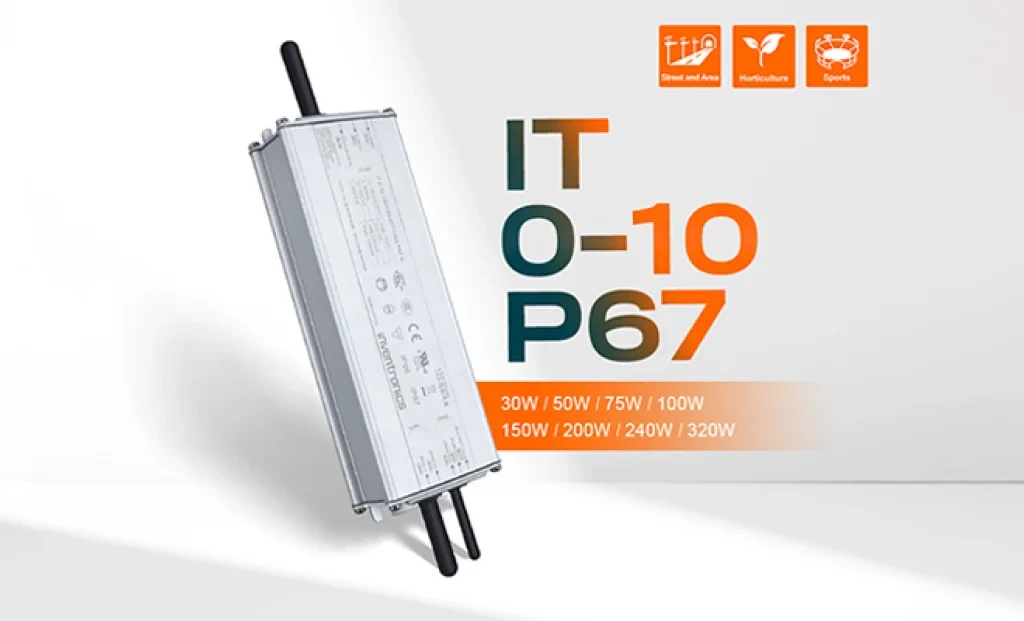
Inventronics has announced two new additions to its outdoor LED driver portfolio: the 150W IT 0-10 150/100-277 P67 and the 240W IT 0-10 240/100-277 P67 programmable drivers. With this new series, the company aims to establish a new benchmark in street and area lighting in terms of performance, efficiency, and durability.
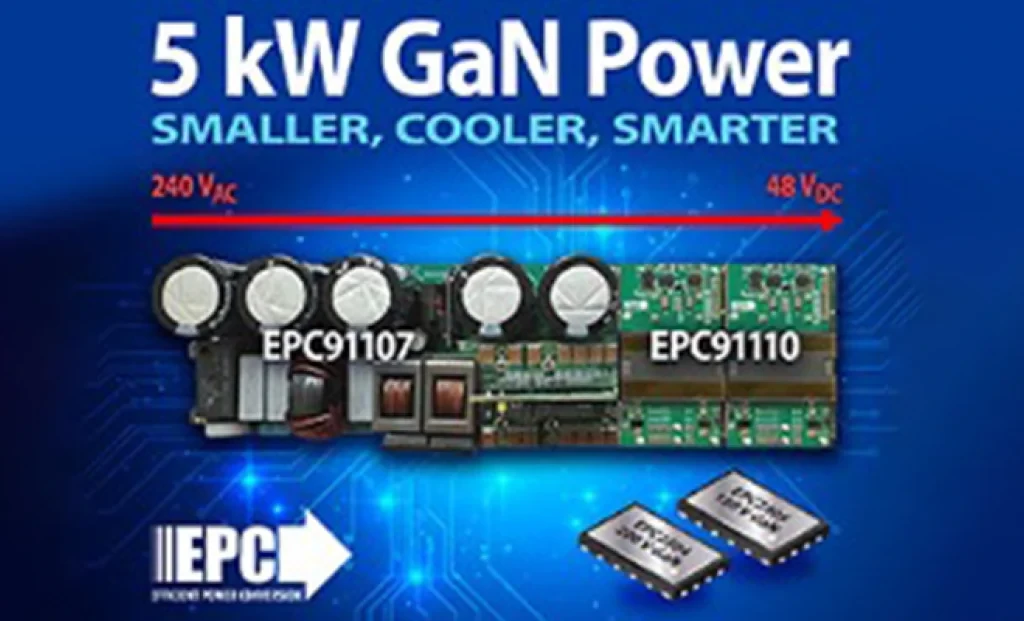
5 kW GaN-Based AC/DC Reference Design from EPC for AI Servers and Data Centers EL SEGUNDO, California — October 2025 — Efficient Power Conversion Corporation (EPC), the world leader in enhancement-mode gallium nitride (eGaN®) power devices, has announced a high-efficiency, high-power-density 5 kW AC-to-48 V DC GaN reference design developed to meet the demands of AI servers and next-generation data center power architectures.
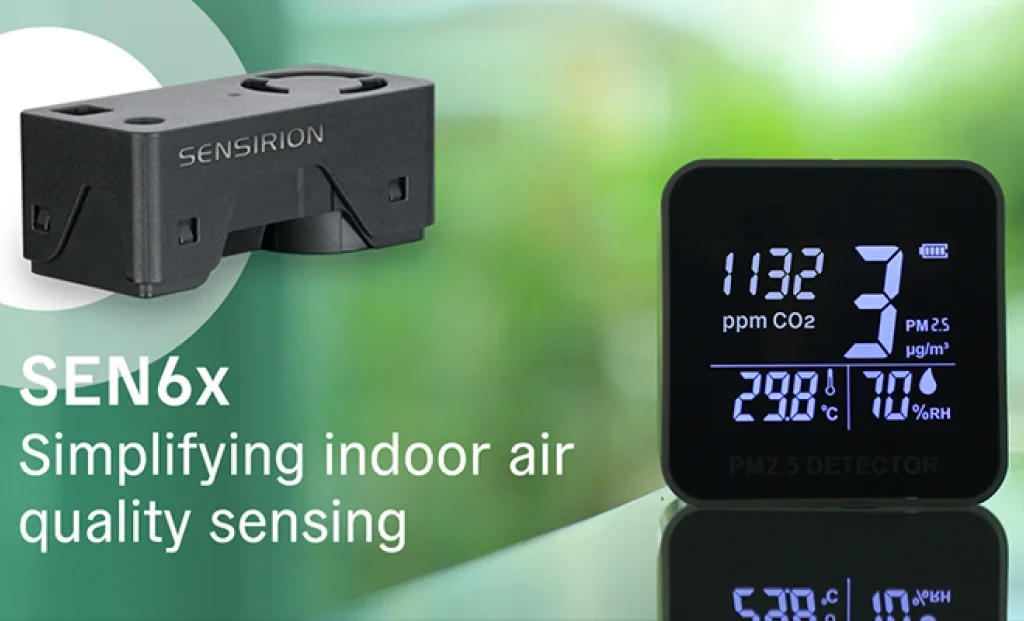
Sensirion has officially announced its next-generation SEN65 and SEN63C sensor platforms, designed to make indoor air quality measurement easier and more accurate than ever before. In addition, the SEK-SEN63C evaluation kit is now available for purchase, enabling developers and system integrators to quickly test and evaluate the new sensor family. Initial orders can be placed immediately.
The long-awaited beta release of Vitis AI 5.1 from AMD has been announced, marking the beginning of a major architectural shift that significantly advances edge AI inference capabilities.
With 44 years of experience, Empa Elektronik, a trusted and pioneering company in the electronic components industry, is set to make transformative investments in the technology ecosystem through its collaboration with Fark Labs, a global innovation and transformation center.
In a comparative study of Auto-ML platforms designed to simplify edge AI deployment, NanoEdge AI Studio and Edge Impulse emerged as leading solutions [1]. The comparison was conducted using multi-sensor biomedical data applied to predictive maintenance use cases.
In shopping malls, galleries, and large-scale commercial spaces, the stability and intelligence of lighting systems are among the most critical factors directly influencing user experience.
 EN − TL
 Türkçe