A coil is a circuit component designed by winding a conductive wire side-by-side or in multiple stacked layers. This component is also known as an inductor, formed by winding insulated copper wire onto a spool, reel, or bobbin (also referred to as a coil carcass or frame). Each full loop of wire on the reel is called a turn or winding. In coil manufacturing, enameled (varnish-coated), insulated copper wire is commonly preferred to ensure electrical isolation and reliable inductive performance. Coils play a key role in regulating and stabilizing electrical current in both AC and DC circuits. All essential details about coils can be found in the rest of this article.
What Does a Coil Do?
The primary purpose of a coil is to store electrical energy in the form of a magnetic field and transfer it to the circuit in a controlled manner. This process helps regulate current flow, stabilize fluctuations, and optimize energy delivery for ideal circuit operation. Coils can also increase voltage in transformer-based systems and provide filtering and noise suppression in signal lines.
How Does an Inductor Work?
The working principle of an inductor is based on electromagnetic fundamentals. Any conductor carrying current generates a magnetic field. The coil’s core function is to oppose rapid current changes, and this opposition force is called inductance (L), measured in Henry (H), with the coil symbol represented by L.
In AC circuits, the current direction constantly changes, producing an alternating magnetic field around the coil. This magnetic field increases the coil’s impedance (AC resistance), strengthening opposition to AC current flow.
In DC circuits, current direction is constant, so the coil does not generate increasing impedance. The only resistance present is the ohmic resistance caused by the metal conductor and winding material.
How Is a Coil Measured?
Coil measurement requires inductance-specific instruments:
L meter / LCR meter: Used to measure inductance value, capacitance, and resistance of a coil.
Avometer (multimeter): Used to detect wire breaks or discontinuity in coil windings.
Common Coil Types
Coils are categorized based on core material and application:
Air-Core Coils: Preferred for high-frequency circuits. Their inductance values can change due to physical impact, so they are often coated with silicone-like compounds for protection.
Ferrite-Core Coils: The core includes materials such as nickel, iron, cobalt, copper, and aluminum additives. They increase inductance and reduce leakage capacitance.
Iron-Core Coils (Choke Coils): Used in filtering and audio frequency circuits.
Laminated Steel-Core Coils: Reduce eddy current effects in transformers, ballast, AC motors, contactors, and inductive loads.
Movable-Core Coils: Inductance value changes when the core moves.
Winding-Adjusted Coils (Variometer / Varyometre): Coil value can be adjusted using a sliding contact (wiper / tap).
Tapped / Stepped Coils: Used to generate multiple inductance values via a multi-position switch.
Coil Symbol & Unit
Coil unit: Henry (H)
Coil symbol: L
Magnetic field formula: B = µ × n × I / l (Note: The original formula you wrote was partially incomplete; the correct and globally accepted inductor magnetic field expression includes current (I).)
Where:
Symbol Meaning
B Magnetic Field
µ Magnetic Permeability
n Number of turns per unit length
l Coil length
I Current passing through the coil
Coil Pricing
Coil prices vary depending on coil type, supplier, and coil quality. You can find coil models suitable for all budgets at Empa Store, which serves the electronics industry with a broad product range. You can review coil options on Empa Store’s online shop and purchase the most suitable model for your needs and budget.
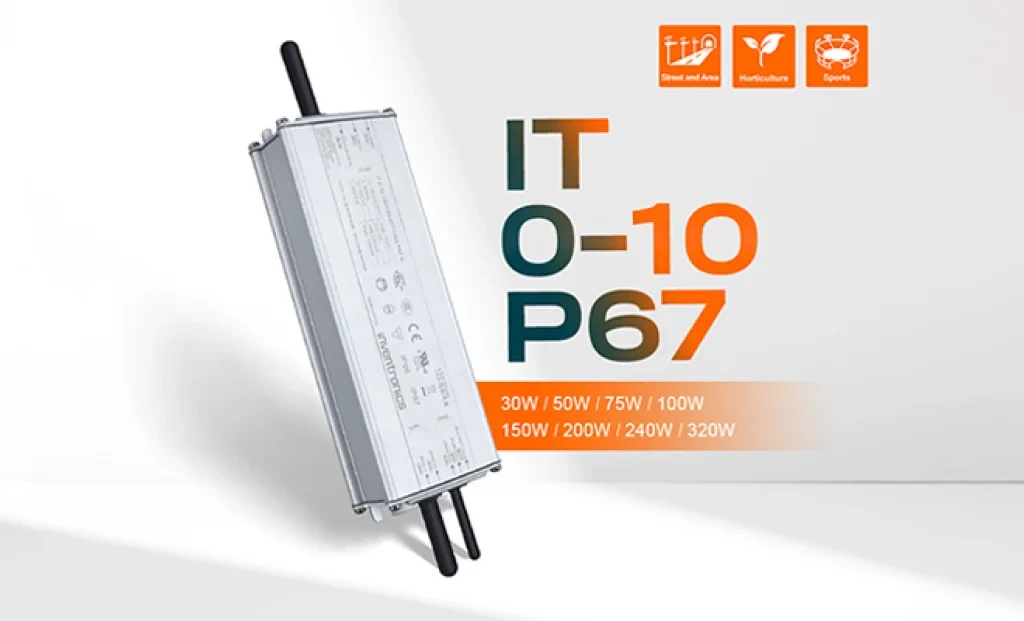
Inventronics has announced two new additions to its outdoor LED driver portfolio: the 150W IT 0-10 150/100-277 P67 and the 240W IT 0-10 240/100-277 P67 programmable drivers. With this new series, the company aims to establish a new benchmark in street and area lighting in terms of performance, efficiency, and durability.
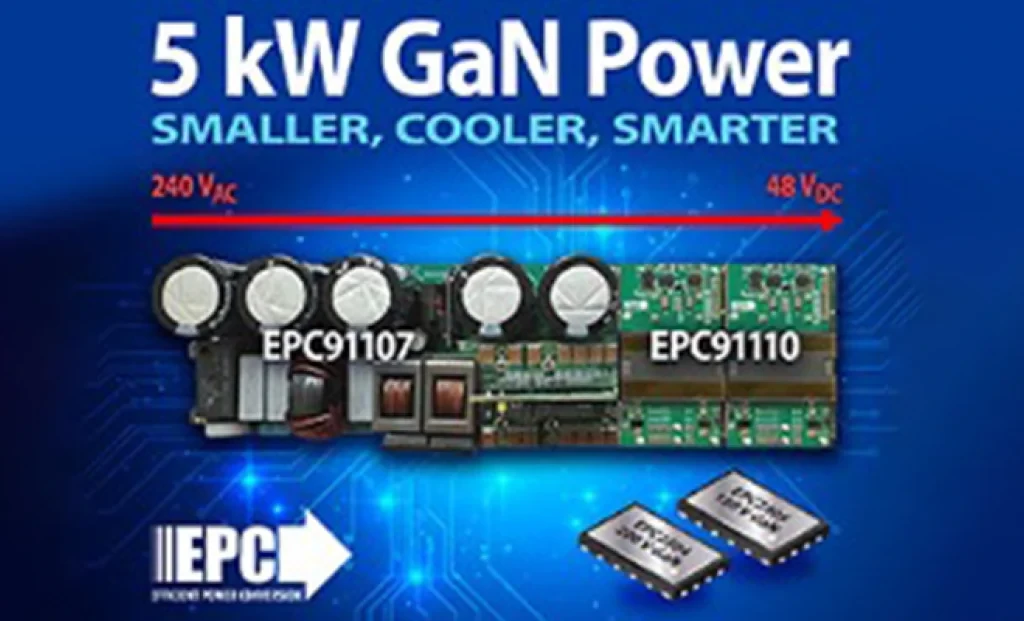
5 kW GaN-Based AC/DC Reference Design from EPC for AI Servers and Data Centers EL SEGUNDO, California — October 2025 — Efficient Power Conversion Corporation (EPC), the world leader in enhancement-mode gallium nitride (eGaN®) power devices, has announced a high-efficiency, high-power-density 5 kW AC-to-48 V DC GaN reference design developed to meet the demands of AI servers and next-generation data center power architectures.
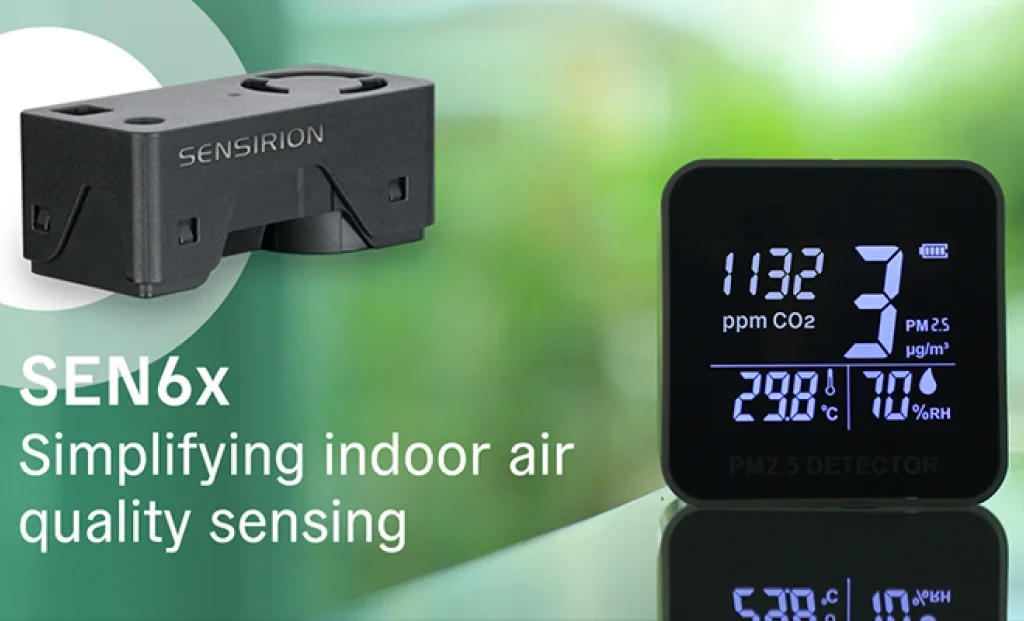
Sensirion has officially announced its next-generation SEN65 and SEN63C sensor platforms, designed to make indoor air quality measurement easier and more accurate than ever before. In addition, the SEK-SEN63C evaluation kit is now available for purchase, enabling developers and system integrators to quickly test and evaluate the new sensor family. Initial orders can be placed immediately.
The long-awaited beta release of Vitis AI 5.1 from AMD has been announced, marking the beginning of a major architectural shift that significantly advances edge AI inference capabilities.
With 44 years of experience, Empa Elektronik, a trusted and pioneering company in the electronic components industry, is set to make transformative investments in the technology ecosystem through its collaboration with Fark Labs, a global innovation and transformation center.
In a comparative study of Auto-ML platforms designed to simplify edge AI deployment, NanoEdge AI Studio and Edge Impulse emerged as leading solutions [1]. The comparison was conducted using multi-sensor biomedical data applied to predictive maintenance use cases.
In shopping malls, galleries, and large-scale commercial spaces, the stability and intelligence of lighting systems are among the most critical factors directly influencing user experience.
 EN − TL
 Türkçe