A capacitor (also historically called a condenser or kondansatör) is a passive electronic component that stores electrical energy in a static electric field and releases it when needed. It is structured using two conductive plates separated by a dielectric (insulating) material, which enables the storage of electric charge.
What Does a Capacitor Do?
Capacitors serve many functions in electronic circuits, including energy storage, filtering, signal coupling, timing, and oscillator circuits. They are also used to stabilize voltage fluctuations and assist motor start-up circuits.
Types of Capacitors
Capacitors vary based on dielectric material, structure, and application. The most common types include:
Electrolytic capacitors: Provide high capacitance and are typically used for power supply filtering.
Ceramic capacitors: Small, cost-effective, and commonly used for signal coupling and filtering.
Film capacitors: Used for high-frequency applications and high-performance filtering.
Tantalum capacitors: Offer high stability and long lifespan for precision filtering.
Non-polarized capacitors: Designed for AC circuits and can operate in both directions.
How to Select a Capacitor
Capacitor selection depends on the application requirements. Key factors include:
Capacitance (C) value
Rated operating voltage
Tolerance
Dielectric type
Physical size
Operating frequency
Temperature and environmental conditions
How to Measure a Capacitor
Capacitance is most commonly measured using a multimeter with capacitance mode or a dedicated capacitance meter. The capacitor should always be:
Removed from the circuit
Fully discharged before measurement
What Is “Sığaç”?
Sığaç is the Turkish engineering term for capacitor. Capacitance is defined by the equation:
𝐶
=
𝑄
/
𝑉
C=Q/V
Where:
C = Capacitance (farad)
Q = Stored charge (coulomb)
V = Voltage across plates (volt)
Where Are Capacitors Used?
Capacitors are used in:
Power supplies
Motor start circuits
Audio and sound systems
Consumer electronics
Flash circuits in cameras
RAM and memory systems
RF (radio-frequency) and communication circuits
Industrial automation and embedded electronics
Capacitor Prices
Prices vary based on type and ratings:
Ceramic capacitors are typically the most affordable.
High-capacitance electrolytic and specialized film capacitors are comparatively more expensive due to higher power handling and precision requirements.
Summary
Capacitors are one of the core building blocks of modern electronic and electrical systems. Understanding their structure, operating principles, types, ratings, and measurement protocols is essential for engineers and hobby electronics developers.
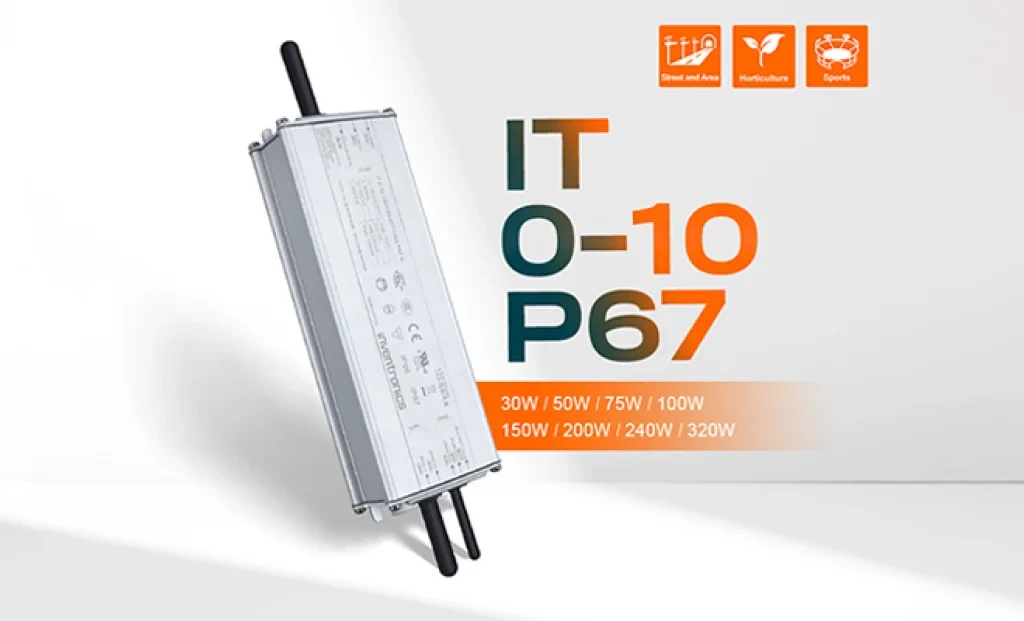
Inventronics has announced two new additions to its outdoor LED driver portfolio: the 150W IT 0-10 150/100-277 P67 and the 240W IT 0-10 240/100-277 P67 programmable drivers. With this new series, the company aims to establish a new benchmark in street and area lighting in terms of performance, efficiency, and durability.
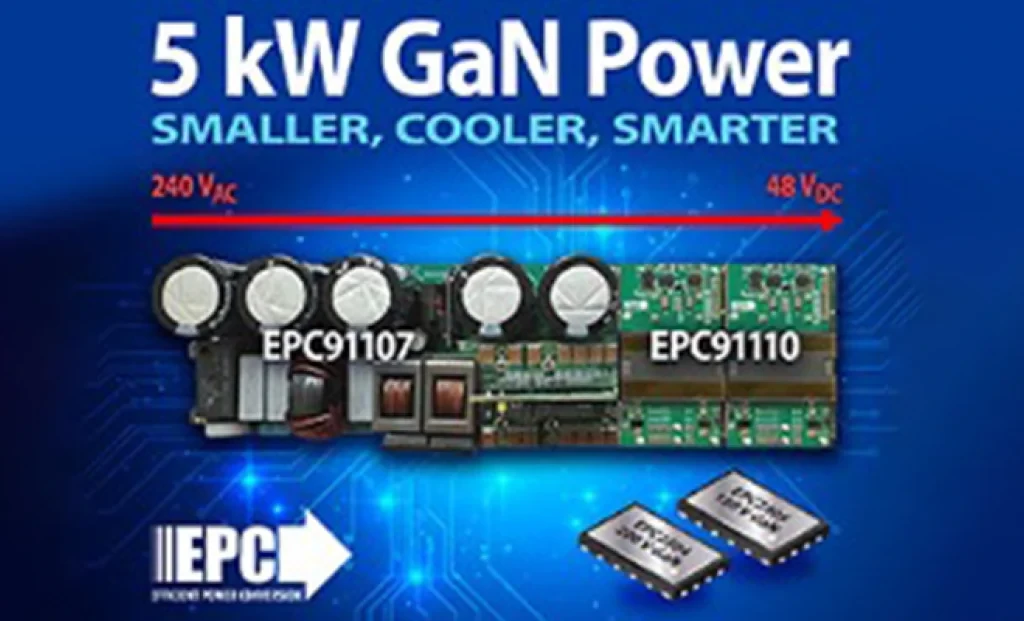
5 kW GaN-Based AC/DC Reference Design from EPC for AI Servers and Data Centers EL SEGUNDO, California — October 2025 — Efficient Power Conversion Corporation (EPC), the world leader in enhancement-mode gallium nitride (eGaN®) power devices, has announced a high-efficiency, high-power-density 5 kW AC-to-48 V DC GaN reference design developed to meet the demands of AI servers and next-generation data center power architectures.
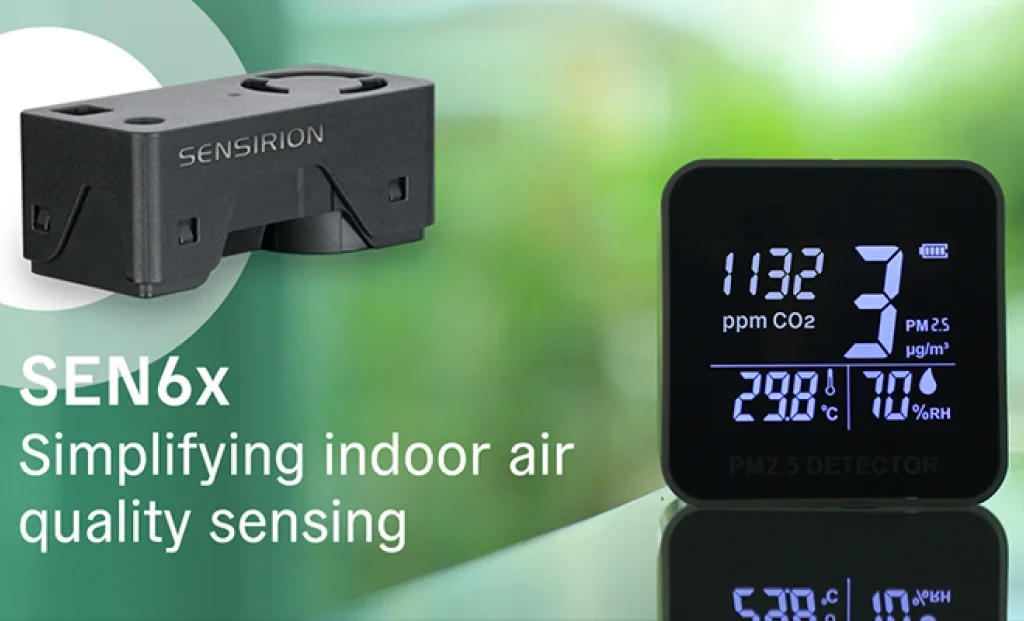
Sensirion has officially announced its next-generation SEN65 and SEN63C sensor platforms, designed to make indoor air quality measurement easier and more accurate than ever before. In addition, the SEK-SEN63C evaluation kit is now available for purchase, enabling developers and system integrators to quickly test and evaluate the new sensor family. Initial orders can be placed immediately.
The long-awaited beta release of Vitis AI 5.1 from AMD has been announced, marking the beginning of a major architectural shift that significantly advances edge AI inference capabilities.
With 44 years of experience, Empa Elektronik, a trusted and pioneering company in the electronic components industry, is set to make transformative investments in the technology ecosystem through its collaboration with Fark Labs, a global innovation and transformation center.
In a comparative study of Auto-ML platforms designed to simplify edge AI deployment, NanoEdge AI Studio and Edge Impulse emerged as leading solutions [1]. The comparison was conducted using multi-sensor biomedical data applied to predictive maintenance use cases.
In shopping malls, galleries, and large-scale commercial spaces, the stability and intelligence of lighting systems are among the most critical factors directly influencing user experience.
 EN − TL
 Türkçe