Capacitors are essential components in electrical and electronic circuits, enabling energy storage and charge regulation inside a wide range of electronic systems. Verifying whether a capacitor operates at its nominal capacitance is critical for circuit integrity, performance, and safety. A capacitance meter (also known as a capacimeter or capacitance tester) is a measurement instrument designed to determine a capacitor’s capacitance (farad, microfarad, nanofarad, picofarad) accurately.
A capacitance meter works by applying a controlled signal to the capacitor terminals and calculating capacitance based on the charge/discharge timing behavior of the internal electric field formed between the capacitor plates. Most modern capacitance meters feature a digital display, and many support auto-range or manual-range selection. Auto-range mode improves usability, while manual-range mode allows more controlled and precise measurement in specific capacitance windows.
How to Measure a Capacitor (or a Condenser)?
Measuring a capacitor requires the following safety and accuracy steps:
Power Off the Circuit & Discharge the Capacitor
Shut down all power sources before measurement
Discharge stored charge safely using a resistor to avoid measurement distortion or safety risk
Using a Multimeter in Capacitance Mode
Switch the multimeter to capacitance measurement mode
Touch or clamp probes to the capacitor terminals
Read the capacitance value displayed on the screen
Using a Capacitance Meter (Capacimeter)
Connect meter probes securely to the capacitor terminals
Verify probe contact stability to ensure consistent readings
Compare measured capacitance to the nominal value to detect faults such as:
capacitance drift
internal leakage
swelling or degraded ESR behavior
How to Perform Capacitance Measurement with a Capacimeter
Follow this protocol:
Confirm the device is set to capacitance measurement mode
Ensure probes or clamp leads are fully seated and stable
Connect the probes carefully to the capacitor terminals
Observe the capacitance value on the display
Compare results to expected tolerance bands
Repeat tests across multiple capacitors to verify consistency and calibration reliability
Environmental Factors in Capacitance Measurement
Although meters compensate internally, external conditions can still influence stability. When measuring, maintain a safe and stable environment and consider:
humidity
temperature
vibration
dust exposure
These factors do not invalidate the reading but can create minor signal timing variance, especially in very high-precision or low-capacitance measurements.
Common Fault Indicators in Capacitor Measurement
Capacitance value out of tolerance range
Fluctuating readings due to unstable probe contact
Significant deviation from nominal values
Capacitor unable to hold expected charge timing behavior
If capacitance falls outside the expected tolerance window, the capacitor may be faulty and require replacement.
Recommended Test Frequency
Many RCCB/relay test routines use 3-month intervals
Capacitors should also be checked periodically, especially in load-sensitive or industrial/robotic/embedded designs such as those used by Empa Electronics or your other IoT/robotics-driven product lines.
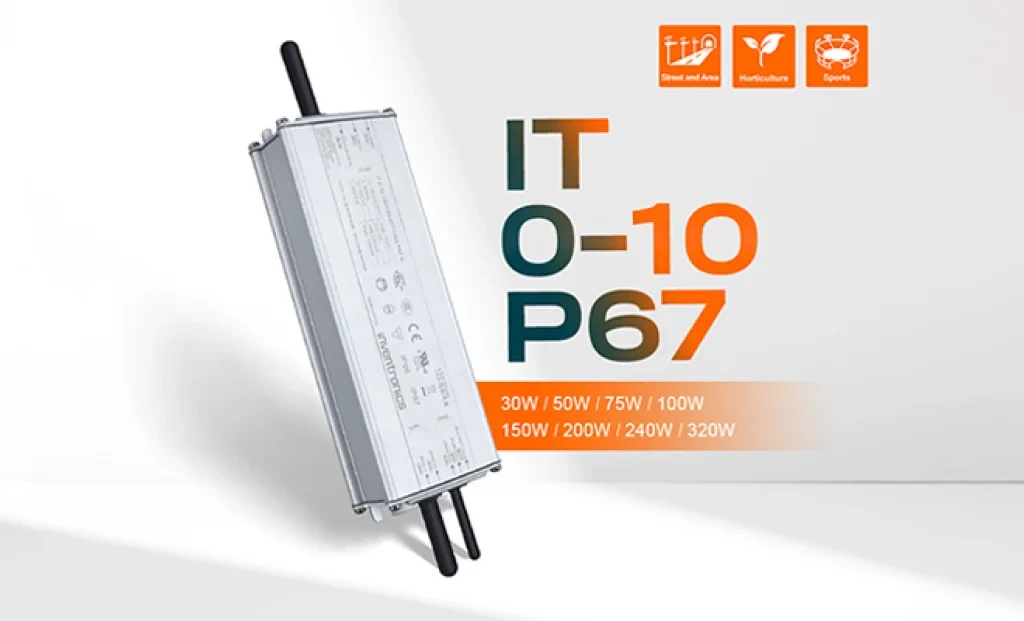
Inventronics has announced two new additions to its outdoor LED driver portfolio: the 150W IT 0-10 150/100-277 P67 and the 240W IT 0-10 240/100-277 P67 programmable drivers. With this new series, the company aims to establish a new benchmark in street and area lighting in terms of performance, efficiency, and durability.
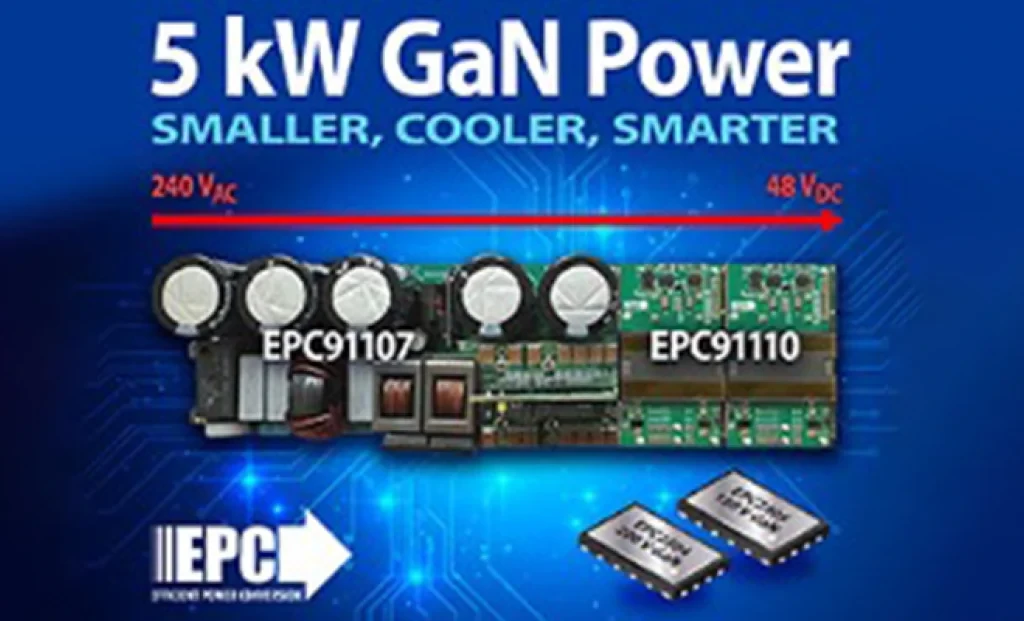
5 kW GaN-Based AC/DC Reference Design from EPC for AI Servers and Data Centers EL SEGUNDO, California — October 2025 — Efficient Power Conversion Corporation (EPC), the world leader in enhancement-mode gallium nitride (eGaN®) power devices, has announced a high-efficiency, high-power-density 5 kW AC-to-48 V DC GaN reference design developed to meet the demands of AI servers and next-generation data center power architectures.
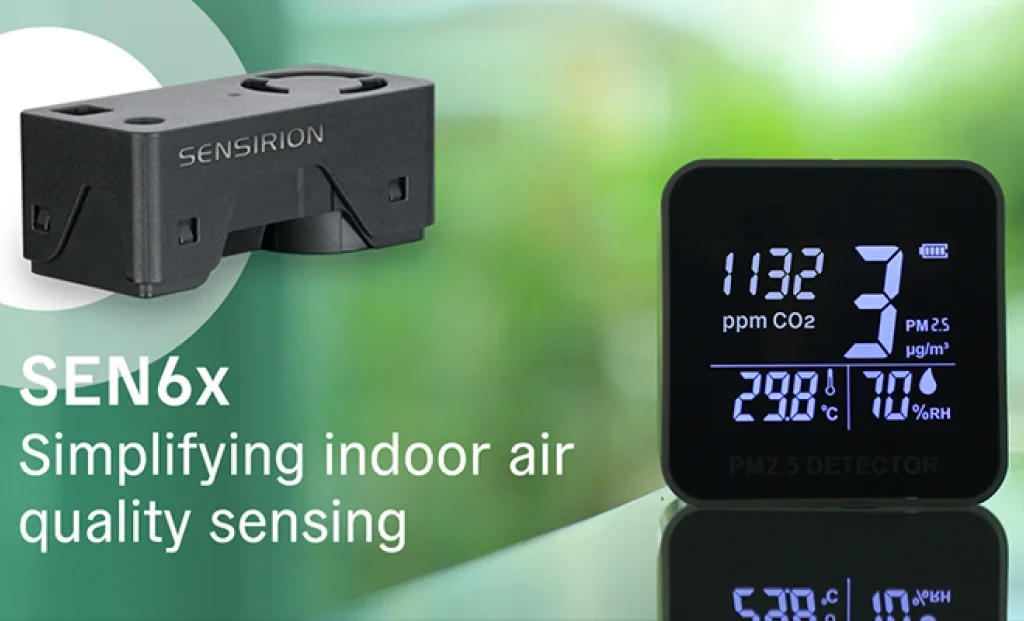
Sensirion has officially announced its next-generation SEN65 and SEN63C sensor platforms, designed to make indoor air quality measurement easier and more accurate than ever before. In addition, the SEK-SEN63C evaluation kit is now available for purchase, enabling developers and system integrators to quickly test and evaluate the new sensor family. Initial orders can be placed immediately.
The long-awaited beta release of Vitis AI 5.1 from AMD has been announced, marking the beginning of a major architectural shift that significantly advances edge AI inference capabilities.
With 44 years of experience, Empa Elektronik, a trusted and pioneering company in the electronic components industry, is set to make transformative investments in the technology ecosystem through its collaboration with Fark Labs, a global innovation and transformation center.
In a comparative study of Auto-ML platforms designed to simplify edge AI deployment, NanoEdge AI Studio and Edge Impulse emerged as leading solutions [1]. The comparison was conducted using multi-sensor biomedical data applied to predictive maintenance use cases.
In shopping malls, galleries, and large-scale commercial spaces, the stability and intelligence of lighting systems are among the most critical factors directly influencing user experience.
 EN − TL
 Türkçe