Electric vehicles, which do not require fossil fuels, stand out as an environment-friendly mobility solution. These vehicles contain large rechargeable batteries, just like smartphones, and can be charged using a cable connection.
Yes—charging an electric car at home is not only possible, but also highly practical for daily use. Although home charging may sometimes seem slower than public fast-charging stations, it allows you to start your day with a fully charged battery every morning.
How to Charge an Electric Car at Home
There are two main home-charging methods:
Standard Home Outlet (220V AC wall socket)
All you need to do is plug the vehicle’s charging cable directly into the power outlet. This method works well if you do not have a strict time limitation, as a full charge may take longer than dedicated charging hardware.
Wallbox (Dedicated Home EV Charger)
A wallbox charger provides faster, safer, and more efficient charging, and becomes operational after a short professional installation. To charge your vehicle, simply connect the charging cable to the wallbox, which itself is wired to your home’s electrical panel or power source.
It is critical to ensure that both the wallbox and the charging cable are compatible with your vehicle model and charging standard to maintain electrical safety and charging stability.
Can You Charge an EV Using a Regular Home Outlet?
Yes, you can charge an EV using a 220-volt household outlet, but you should expect a longer charging duration, typically ranging from 8 to 20 hours, depending on the battery size and charging conditions.
How to Install a Home EV Charging Point
A professional electrician can complete the installation within approximately 3–4 hours. If your property uses solar energy systems, the charging station can also be integrated into the solar battery/inverter infrastructure.
Key steps include:
Select a charger that supports 3.7–22 kW (Level-2 home charging power)
Verify that your electrical panel and circuit breakers can handle the load, as older installations or low-amp fuses may trip during charging
Upgrade electrical capacity if necessary
Mount the wallbox in a garage or parking area and connect it to the grid or power source
What Is the Cost of Charging an EV at Home?
The cost varies based on battery capacity and electricity tariff.
For example, with a 74 kWh battery on a 3.11 TL/kWh tariff, a full charge costs approximately 233 TL (around 233 TRY). Night tariffs may reduce this cost.
Note that wallbox hardware, charging cable (if purchased separately), and professional installation carry additional one-time costs.
How to Calculate Home Charging Time
Charging time depends on:
Battery size (kWh)
Charger power (kW)
Ambient conditions
Examples:
A 60 kWh battery using a 7 kW wallbox charges in approximately 8–9 hours
Using a standard home outlet, charging time may reach 20 hours
Cold weather may increase charging time by up to 20%
Do You Need a Special Charging Cable to Charge an EV at Home?
Yes. Most EVs come with a standard charging cable compatible with home outlets and wallboxes. If you need a new cable, always choose one that matches your vehicle model and charging standard.
How to Save Energy While Charging an EV at Home
You can reduce charging costs by:
Using night electricity tariffs
Installing a Level-2 wallbox to minimize energy loss and improve efficiency
Integrating the charger into a solar power system, which can reduce long-term fuel/charging costs significantly
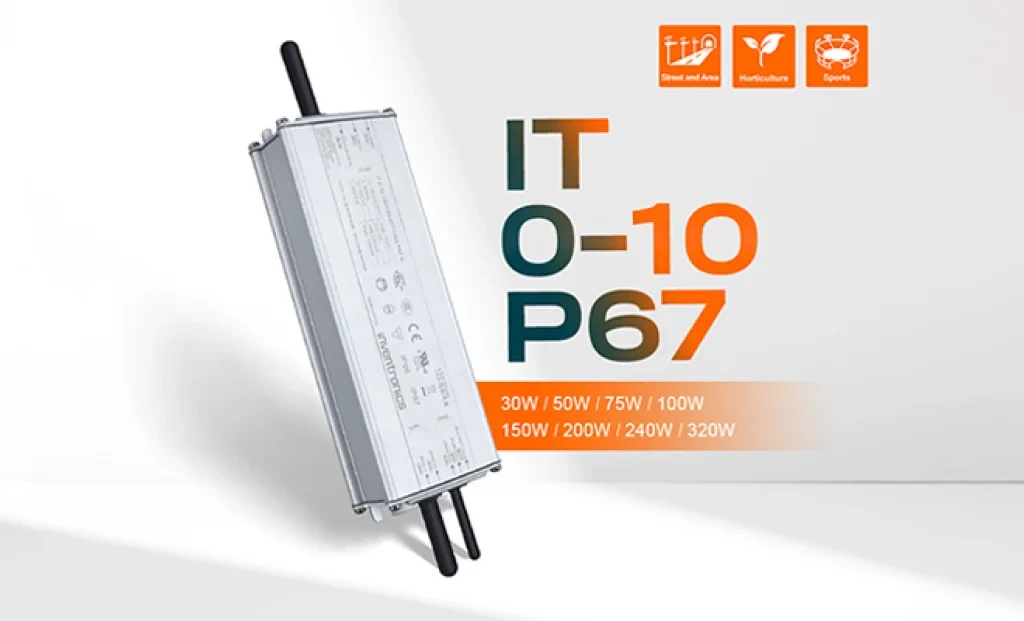
Inventronics has announced two new additions to its outdoor LED driver portfolio: the 150W IT 0-10 150/100-277 P67 and the 240W IT 0-10 240/100-277 P67 programmable drivers. With this new series, the company aims to establish a new benchmark in street and area lighting in terms of performance, efficiency, and durability.
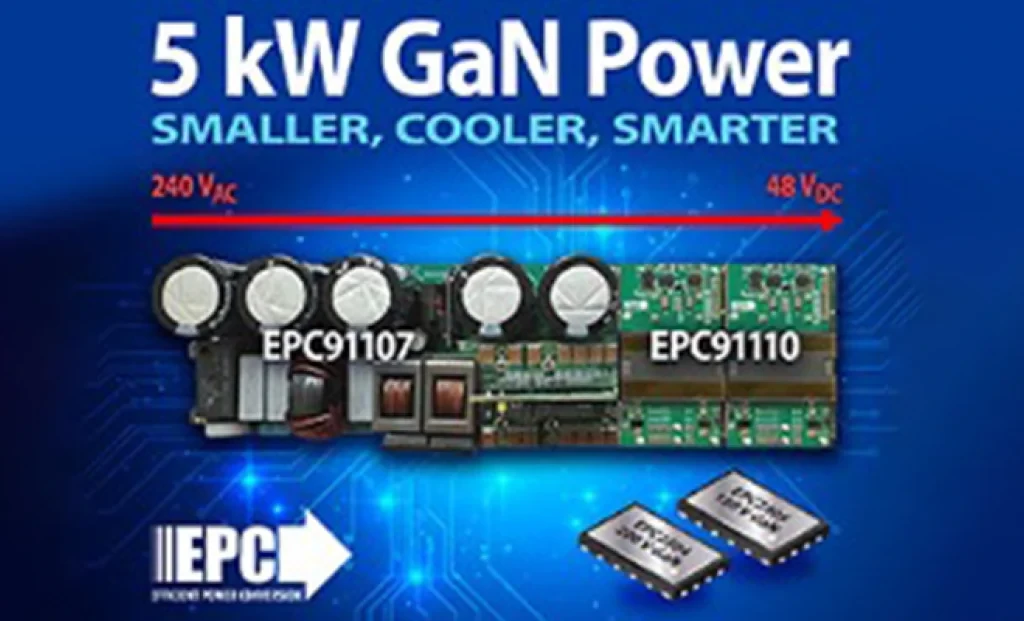
5 kW GaN-Based AC/DC Reference Design from EPC for AI Servers and Data Centers EL SEGUNDO, California — October 2025 — Efficient Power Conversion Corporation (EPC), the world leader in enhancement-mode gallium nitride (eGaN®) power devices, has announced a high-efficiency, high-power-density 5 kW AC-to-48 V DC GaN reference design developed to meet the demands of AI servers and next-generation data center power architectures.
Sensirion has officially announced its next-generation SEN65 and SEN63C sensor platforms, designed to make indoor air quality measurement easier and more accurate than ever before. In addition, the SEK-SEN63C evaluation kit is now available for purchase, enabling developers and system integrators to quickly test and evaluate the new sensor family. Initial orders can be placed immediately.
The long-awaited beta release of Vitis AI 5.1 from AMD has been announced, marking the beginning of a major architectural shift that significantly advances edge AI inference capabilities.
With 44 years of experience, Empa Elektronik, a trusted and pioneering company in the electronic components industry, is set to make transformative investments in the technology ecosystem through its collaboration with Fark Labs, a global innovation and transformation center.
In a comparative study of Auto-ML platforms designed to simplify edge AI deployment, NanoEdge AI Studio and Edge Impulse emerged as leading solutions [1]. The comparison was conducted using multi-sensor biomedical data applied to predictive maintenance use cases.
In shopping malls, galleries, and large-scale commercial spaces, the stability and intelligence of lighting systems are among the most critical factors directly influencing user experience.
 EN − TL
 Türkçe