A buzzer is an electronic circuit component used to generate sound. In other words, it is an audible warning device operating on mechanical, electromechanical, magnetic, or piezoelectric principles. Buzzers typically operate in the 2–4 V supply range. Since there are many buzzer types, their application areas are quite broad. Below you can find the key details about buzzers.
What Does a Buzzer Do?
Due to their functional characteristics, buzzers can be used across various applications. Buzzer models are commonly used for timing, confirmation, response indication, and warning/alarm purposes. In this way, they provide notification and reminder functions in different systems.
What Are the Types of Buzzers?
Buzzers are available in different models depending on application requirements and device structure. Buzzer types are generally classified into four categories:
Magnetic buzzers: These models produce sound via a coil. Sound is generated when current flow activates the coil mechanism.
Electromechanical buzzers: These operate by activating a contact point as current flows through the device. Traditional home doorbells are common examples of electromechanical buzzers.
Mechanical buzzers: These work using a tightly wound spring system rather than electrical current. The spring mechanism converts mechanical energy into sound.
Piezo buzzers: The most widely used buzzer type today. Piezo buzzers respond differently depending on the applied electrical power, enabling multiple tones and sound levels. Their low cost and high performance make them common in many applications.
How Does a Buzzer Work?
Buzzer operation may vary slightly depending on type.
Buzzers with built-in oscillator/driver circuits convert applied voltage at input terminals into an oscillation signal internally, producing sound automatically.
Buzzers without built-in circuits require the user to provide an external AC drive signal.
For piezo models, when high voltage is applied to the piezoelectric ceramic disc, it expands and contracts radially. This causes the internal metal plate to bend in the opposite direction, generating sound waves. Piezoelectric buzzers therefore produce audio output through vibrations transmitted to the internal disc structure.
Where Are Buzzers Used?
Buzzers are used in many industrial and commercial environments and play an important role in audible alerting:
Industrial machines and control panels: For warnings and process step transitions
Security systems (entry/exit doors): For access control indication tones
Alarm systems and logistics/transport vehicles: For rapid response in emergency or hazardous conditions
Trucks and heavy vehicles: For parking, reversing, loading, and operational alerts
Home and office devices: For bell tones and status notifications
How to Connect a Buzzer
Buzzer wiring should be performed according to the user manual. Key considerations include:
Mounting holes should be drilled according to dimensions specified in the product documentation.
For terminal-block (clamp) models, ensure the cable is fully seated and firmly clamped.
For screw-mounted models, insulation should be applied before connection to prevent issues such as short circuits.
For wired buzzer models, avoid pulling the cable excessively. If the cable breaks internally, it is generally not repairable.
How Should a Buzzer Be Used?
Buzzers typically have two pins:
Positive (+)
Negative (−)
Polarity must be observed during installation. Most buzzer pins are marked with “+” or “−”, and these markings should be checked carefully before powering the device.
What to Consider When Buying a Buzzer
For correct selection, consider the following factors:
Ambient noise level of the installation environment (to ensure adequate audibility)
Supply voltage level and compatibility with the system
Physical installation constraints (mounting location, available space, panel design)
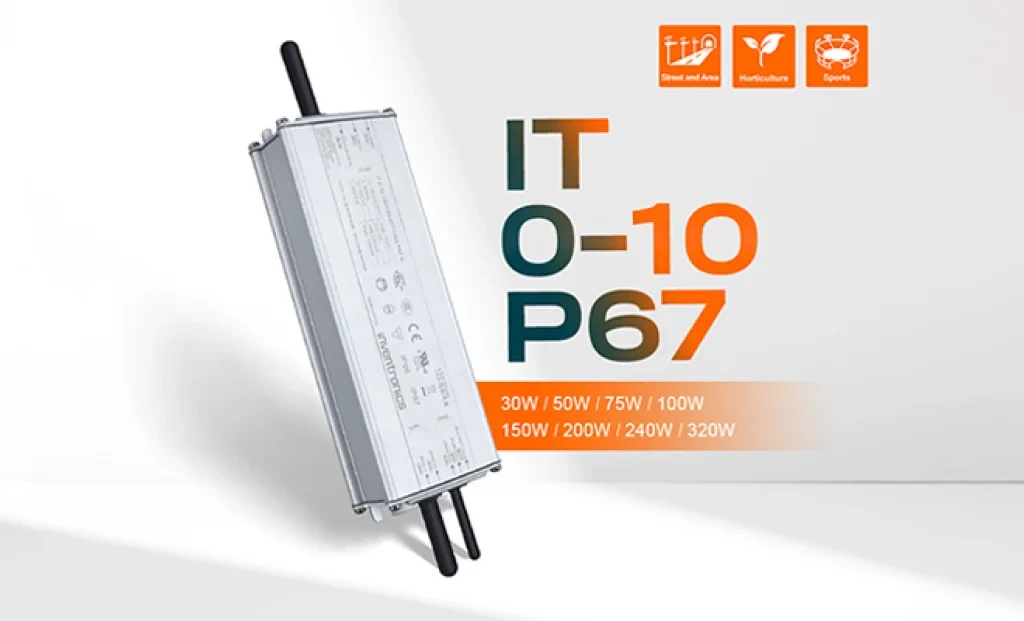
Inventronics has announced two new additions to its outdoor LED driver portfolio: the 150W IT 0-10 150/100-277 P67 and the 240W IT 0-10 240/100-277 P67 programmable drivers. With this new series, the company aims to establish a new benchmark in street and area lighting in terms of performance, efficiency, and durability.
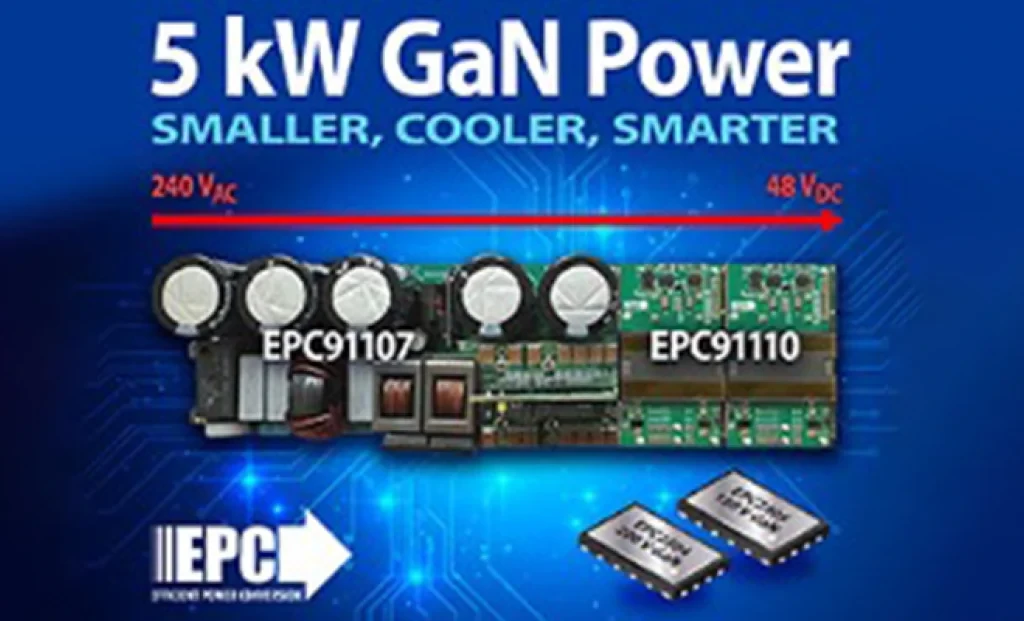
5 kW GaN-Based AC/DC Reference Design from EPC for AI Servers and Data Centers EL SEGUNDO, California — October 2025 — Efficient Power Conversion Corporation (EPC), the world leader in enhancement-mode gallium nitride (eGaN®) power devices, has announced a high-efficiency, high-power-density 5 kW AC-to-48 V DC GaN reference design developed to meet the demands of AI servers and next-generation data center power architectures.
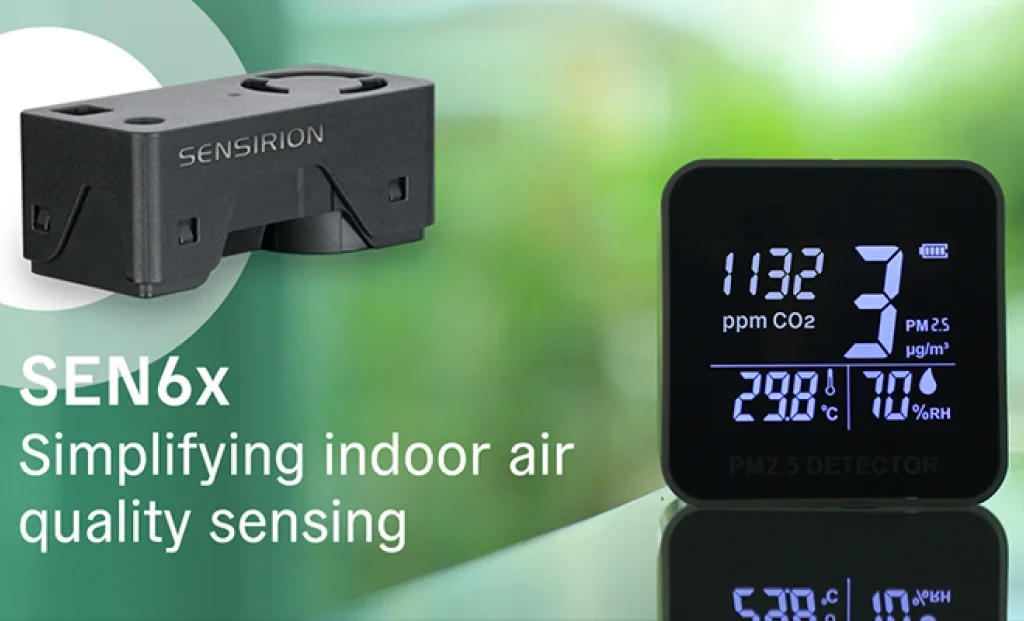
Sensirion has officially announced its next-generation SEN65 and SEN63C sensor platforms, designed to make indoor air quality measurement easier and more accurate than ever before. In addition, the SEK-SEN63C evaluation kit is now available for purchase, enabling developers and system integrators to quickly test and evaluate the new sensor family. Initial orders can be placed immediately.
The long-awaited beta release of Vitis AI 5.1 from AMD has been announced, marking the beginning of a major architectural shift that significantly advances edge AI inference capabilities.
With 44 years of experience, Empa Elektronik, a trusted and pioneering company in the electronic components industry, is set to make transformative investments in the technology ecosystem through its collaboration with Fark Labs, a global innovation and transformation center.
In a comparative study of Auto-ML platforms designed to simplify edge AI deployment, NanoEdge AI Studio and Edge Impulse emerged as leading solutions [1]. The comparison was conducted using multi-sensor biomedical data applied to predictive maintenance use cases.
In shopping malls, galleries, and large-scale commercial spaces, the stability and intelligence of lighting systems are among the most critical factors directly influencing user experience.
 EN − TL
 Türkçe