Batteries are the core portable power sources behind many electronic devices used in daily life. From TV remotes to smartphones, countless devices operate thanks to batteries. Batteries vary significantly in form, capacity, structure, chemistry, and usage areas, which makes it easy to find the right battery type for a specific purpose. Let’s explore batteries and their types in more detail.
What Is a Battery?
A battery is a portable energy storage unit that converts chemical energy directly into electrical energy. Batteries store electrical energy chemically through internal components and chemical materials. When these chemicals react, electrical energy is released, allowing the battery to generate power.
What Does a Battery Do?
A battery converts the stored chemical energy into electrical energy through chemical reactions and transfers it to a circuit. With different shapes and internal structures, batteries can power a wide range of devices, including controllers, toys, computers, tablets, smartphones, and even electric vehicles.
How Do Batteries Work?
Batteries generate electrical energy through internal chemical reactions. As long as the chemical materials inside the battery can continue reacting, electricity continues to be produced. Once the chemical resources are depleted, the battery runs out of power.
While non-rechargeable batteries work this way and can no longer produce energy once depleted, rechargeable batteries operate differently. In rechargeable batteries, when the energy production potential ends, an external electrical current is applied to reverse the chemical reaction, allowing the battery to generate electrical energy again.
What Are the Types of Batteries?
Batteries are classified based on usage areas, chemical structure, size, and capacity. Today, when buying a battery, you may encounter names such as AA, AAA, C, D, CR2032, LR44 button batteries, and more. The shape, chemistry, power, and capacity of batteries differ depending on the device they are used in.
Currently, battery types are grouped into 3 main categories:
1. Non-Rechargeable (Primary) Batteries
These are single-use batteries. As the name suggests, there is no way to reverse the chemical reaction once it ends. They are more affordable than rechargeable batteries and suitable for devices with low energy consumption. Examples include clocks and remotes that can operate for long periods.
Common non-rechargeable battery chemistries include:
Zinc Batteries
Widely used in devices such as wall clocks, remotes, and flashlights.
Alkaline Batteries
Store more energy than zinc batteries and are used in devices with higher power needs, such as radios, digital cameras, and gaming devices.
Lithium Batteries
Although single-use, they are preferred for their long lifespan. One of the most common usage areas is computer motherboards.
2. Rechargeable (Secondary) Batteries
These batteries allow the internal chemical reaction to be reversed by applying electrical current. They are more expensive than non-rechargeable batteries, but because they can be reused many times through charge-discharge cycles, they offer a much longer lifespan. Note that each recharge cycle slightly reduces capacity.
Most common rechargeable battery types:
Lithium-Ion (Li-Ion) Batteries
The most widely used rechargeable battery type. Found in modern smartphones, tablets, and portable computers.
Lithium-Polymer (Li-Po) Batteries
Similar usage areas to Li-Ion, but more chemically flammable and requires extra caution when used.
Nickel-Metal Hydride (Ni-MH) Batteries
High-capacity batteries that enable long device usage, but may experience energy loss during long storage.
Nickel-Cadmium (Ni-Cd) Batteries
Lower energy storage capacity than Ni-MH, but does not lose energy quickly during storage, making it suitable for active use.
3. Button Batteries
Button batteries are flat, round, and compact. They can power devices with very low power needs for long durations. They are mostly non-rechargeable, but rechargeable versions also exist.
They are used in a wide range of products such as computer motherboards, wristwatches, scales, and decorative electronics.
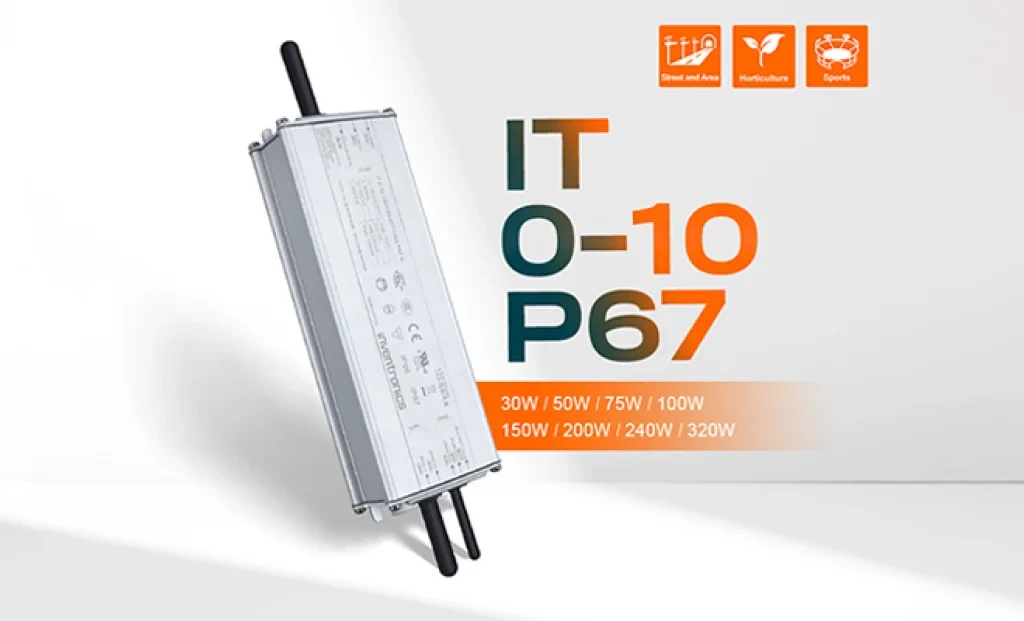
Inventronics has announced two new additions to its outdoor LED driver portfolio: the 150W IT 0-10 150/100-277 P67 and the 240W IT 0-10 240/100-277 P67 programmable drivers. With this new series, the company aims to establish a new benchmark in street and area lighting in terms of performance, efficiency, and durability.
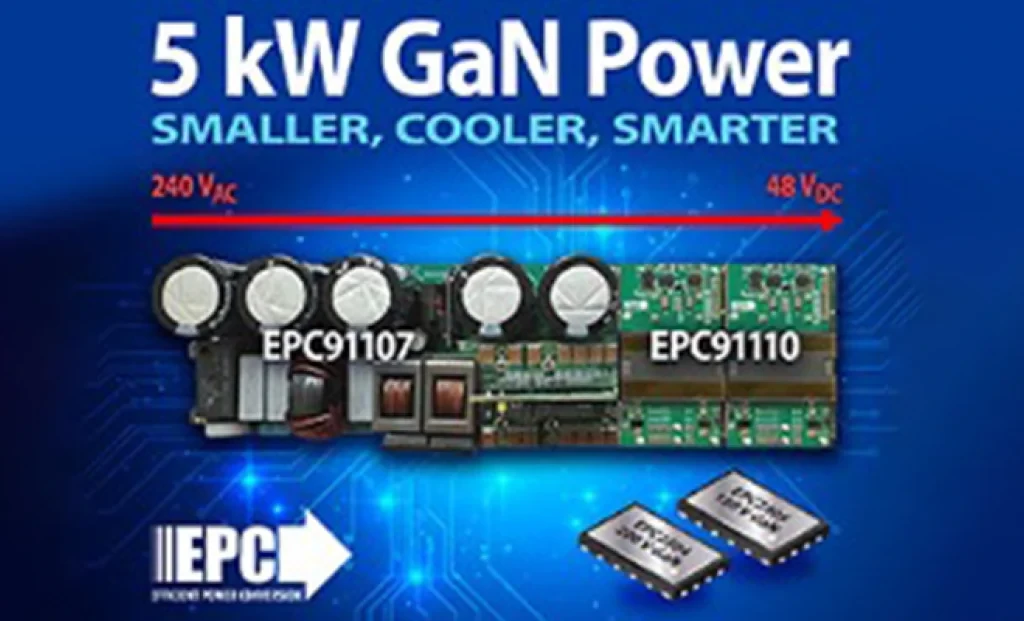
5 kW GaN-Based AC/DC Reference Design from EPC for AI Servers and Data Centers EL SEGUNDO, California — October 2025 — Efficient Power Conversion Corporation (EPC), the world leader in enhancement-mode gallium nitride (eGaN®) power devices, has announced a high-efficiency, high-power-density 5 kW AC-to-48 V DC GaN reference design developed to meet the demands of AI servers and next-generation data center power architectures.
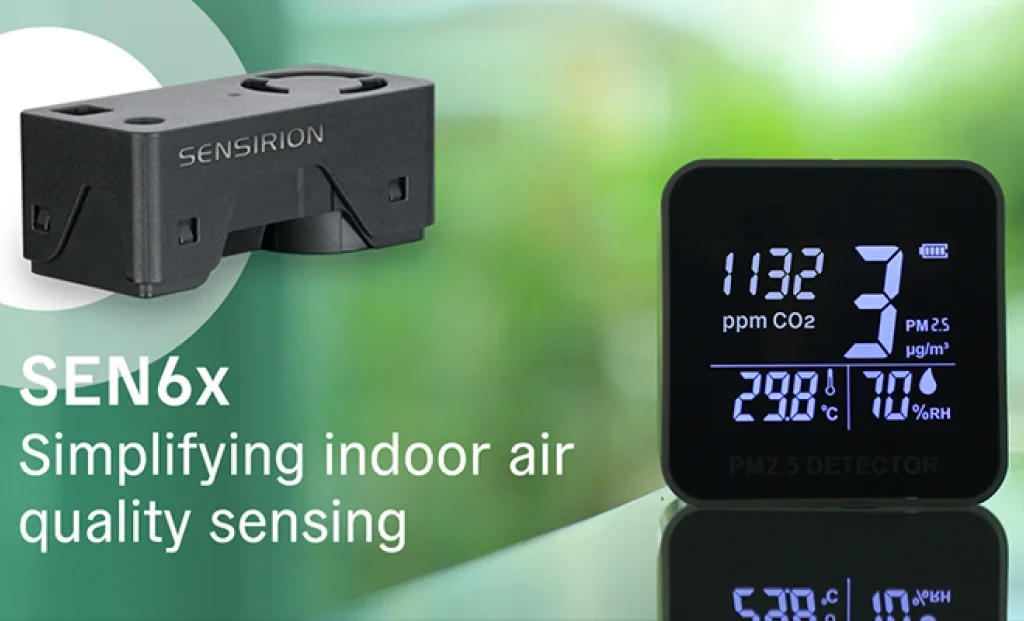
Sensirion has officially announced its next-generation SEN65 and SEN63C sensor platforms, designed to make indoor air quality measurement easier and more accurate than ever before. In addition, the SEK-SEN63C evaluation kit is now available for purchase, enabling developers and system integrators to quickly test and evaluate the new sensor family. Initial orders can be placed immediately.
The long-awaited beta release of Vitis AI 5.1 from AMD has been announced, marking the beginning of a major architectural shift that significantly advances edge AI inference capabilities.
With 44 years of experience, Empa Elektronik, a trusted and pioneering company in the electronic components industry, is set to make transformative investments in the technology ecosystem through its collaboration with Fark Labs, a global innovation and transformation center.
In a comparative study of Auto-ML platforms designed to simplify edge AI deployment, NanoEdge AI Studio and Edge Impulse emerged as leading solutions [1]. The comparison was conducted using multi-sensor biomedical data applied to predictive maintenance use cases.
In shopping malls, galleries, and large-scale commercial spaces, the stability and intelligence of lighting systems are among the most critical factors directly influencing user experience.
 EN − TL
 Türkçe