With its long-standing presence in the automotive industry, AMD continues to take significant steps in the field of Driver Monitoring Systems (DMS). The company is bringing DMS solutions—critical for Level 2, Level 2+, and Level 3 autonomous vehicles—to market using FPGA and Adaptive SoC technologies enhanced with machine learning and AI inference capabilities.
The new Euro NCAP standards, scheduled to take effect in 2026, raise the bar substantially for driver and passenger safety. In the NCAP 26 assessment, the “Safe Driving” category will allocate 60 points in total, with 30 points dedicated to occupant monitoring and 30 points to driver interaction. These scores will increase to 72 points in 2027 and 84 points in 2028. The updated standards mandate advanced, machine learning–based safety features such as drowsiness detection, distraction monitoring, and unresponsive driver detection.
AMD’s AI-focused product portfolio is well positioned to meet these complex requirements. Leading Tier 1 suppliers such as Seeing Machines are adopting AMD Adaptive SoC solutions, which integrate programmable logic, AI inference engines, and CPUs on a single chip. These solutions provide hardware acceleration optimized for real-time image processing and deep learning algorithms, while meeting critical safety standards such as ISO 26262 and ASIL-B, and ensuring seamless integration across different OEM platforms.
AMD remains firmly committed to delivering customized silicon solutions that can be integrated with AI technologies for automotive manufacturers aiming to comply with evolving Euro NCAP requirements.
For more detailed information about our solutions or to request support for your AI applications, please contact us at ai@empa.com.
Source: https://www.amd.com/en/blogs/2025/amd-in-driver-and-occupant-monitoring-systems.html
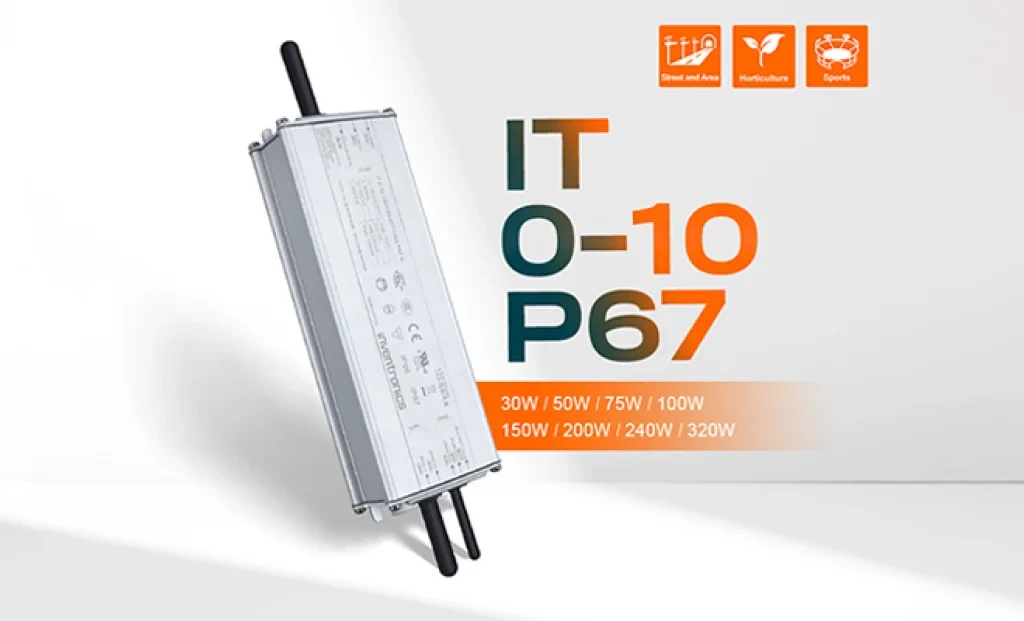
Inventronics has announced two new additions to its outdoor LED driver portfolio: the 150W IT 0-10 150/100-277 P67 and the 240W IT 0-10 240/100-277 P67 programmable drivers. With this new series, the company aims to establish a new benchmark in street and area lighting in terms of performance, efficiency, and durability.
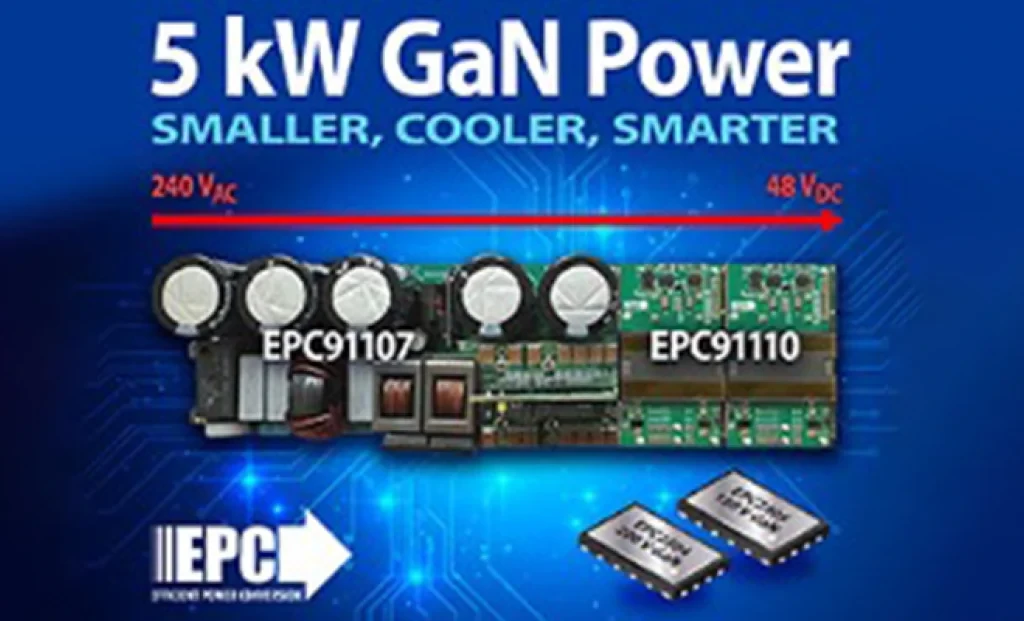
5 kW GaN-Based AC/DC Reference Design from EPC for AI Servers and Data Centers EL SEGUNDO, California — October 2025 — Efficient Power Conversion Corporation (EPC), the world leader in enhancement-mode gallium nitride (eGaN®) power devices, has announced a high-efficiency, high-power-density 5 kW AC-to-48 V DC GaN reference design developed to meet the demands of AI servers and next-generation data center power architectures.
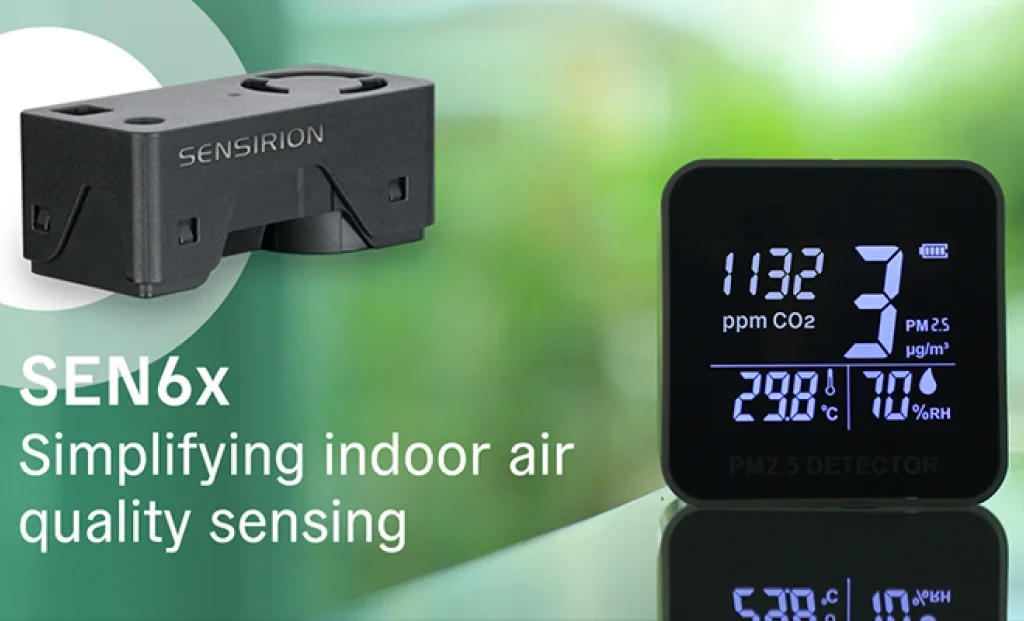
Sensirion has officially announced its next-generation SEN65 and SEN63C sensor platforms, designed to make indoor air quality measurement easier and more accurate than ever before. In addition, the SEK-SEN63C evaluation kit is now available for purchase, enabling developers and system integrators to quickly test and evaluate the new sensor family. Initial orders can be placed immediately.
The long-awaited beta release of Vitis AI 5.1 from AMD has been announced, marking the beginning of a major architectural shift that significantly advances edge AI inference capabilities.
With 44 years of experience, Empa Elektronik, a trusted and pioneering company in the electronic components industry, is set to make transformative investments in the technology ecosystem through its collaboration with Fark Labs, a global innovation and transformation center.
In a comparative study of Auto-ML platforms designed to simplify edge AI deployment, NanoEdge AI Studio and Edge Impulse emerged as leading solutions [1]. The comparison was conducted using multi-sensor biomedical data applied to predictive maintenance use cases.
In shopping malls, galleries, and large-scale commercial spaces, the stability and intelligence of lighting systems are among the most critical factors directly influencing user experience.
 EN − TL
 Türkçe