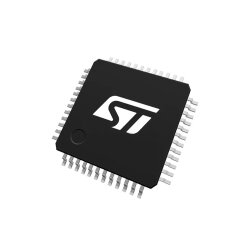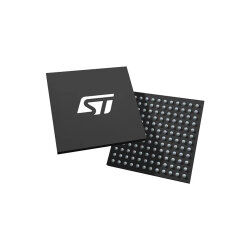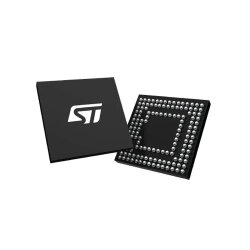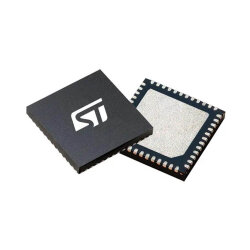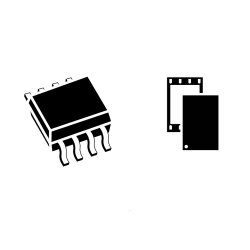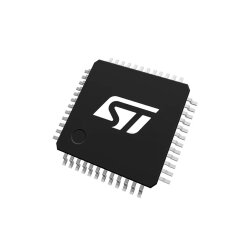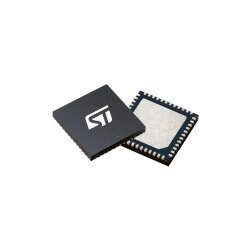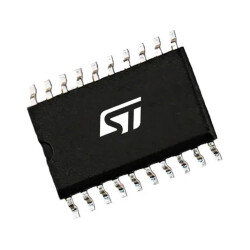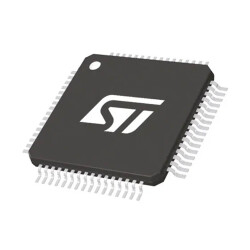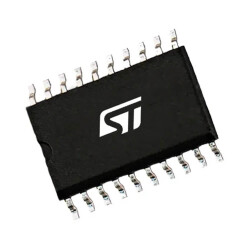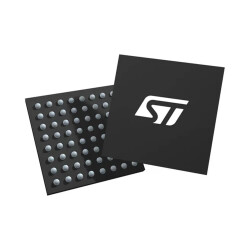
A microcontroller is considered the “brain” of modern electronic devices. These integrated circuit chips combine the processor, memory, and input/output units of a computer under a single architecture. MCUs stand out with their low power consumption, compact size, and broad application range, making them indispensable components of electronic systems across many industries.
When discussing modern electronic systems, the question “What is a microcontroller?” is frequently raised. Although similar to microprocessors, microcontrollers are integrated circuit chips specifically optimized to control a particular function or system. By combining memory, a processor, I/O interfaces, and various peripheral modules, they simplify the control of complex electronic devices.
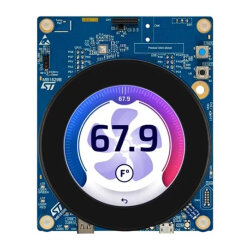
Microcontroller boards form the core of embedded systems and are widely used in industrial, medical, automotive, and consumer electronics applications. MCUs can be found in smart home equipment, mobile devices, automotive electronics, medical instruments, and industrial automation systems.
A microcontroller works alongside numerous electronic components, forming crucial segments of complex systems. These components include sensors, actuators, displays, communication interfaces, and power-management circuits. The functionality of an MCU depends on how it interacts with these peripherals and how its firmware is structured.
After understanding what a microcontroller does, the next step is examining its technical features. Designed specifically for embedded control and processing, microcontrollers are essential components across many engineering domains. Their primary features include:
Processor Unit:
The CPU executes programmed instructions to perform specific tasks. Microcontrollers are available in 8-bit, 16-bit, and 32-bit architectures.
Input/Output Interfaces:
MCUs incorporate digital and analog I/O pins that communicate with sensors, motors, displays, and other external devices.
Program Memory:
Used for storing firmware and fixed data. Depending on the MCU, this memory may be reprogrammable or write-once.
Timers and Interrupt Controllers:
Internal timers support scheduled events or timing-critical operations. Interrupt controllers detect external events, pause normal execution, and allow the processor to handle high-priority tasks.
ADC/DAC Units:
Analog-to-digital (ADC) and digital-to-analog (DAC) converters allow the MCU to read analog sensor data and generate analog output signals.
Advanced Communication Interfaces:
Some MCUs support Ethernet, USB, Wi-Fi, Bluetooth, and other communication protocols, enabling device-to-device or network communication.
Microcontrollers have one of the broadest application ranges in electronics and engineering:
Automotive Industry:
Used in infotainment systems, engine control units, safety systems, climate control, parking assistance, and more.
Smart Home Automation:
Support lighting control, security systems, HVAC management, curtain/blind control, and various other functions.
Consumer Electronics:
Manage user interfaces, process data, and collect sensor inputs in devices such as smartphones, tablets, smartwatches, and entertainment systems.
Industrial Environments:
Widely used in automation control systems, motor drivers, robotics, and sensor-based monitoring systems to optimize production and enhance safety.
Medical Devices:
Power critical equipment such as hospital monitoring systems, imaging devices, implantable units, and medication dosing equipment—where precision and safety are paramount.
Energy Systems:
Used in solar panels, wind turbines, battery-management systems, smart-grid applications, and energy-efficiency monitoring.
IoT (Internet of Things):
MCUs are core components of smart devices, wearables, and remote-control units.
Embedded Systems:
Provide real-time processing, control, and system coordination for applications in defense, aerospace, telecommunications, and high-reliability industrial systems.
Microcontroller prices vary depending on several factors—primarily their application areas. Since MCUs are used widely in electronic control units and automation systems, cost differences arise based on performance requirements, peripheral support, processing capability, communication interfaces, and overall design complexity.
You can explore the wide range of microcontroller options offered by Empa Store, compare detailed specifications, and easily select the model that best fits your application needs.
 Türkçe
 English